|
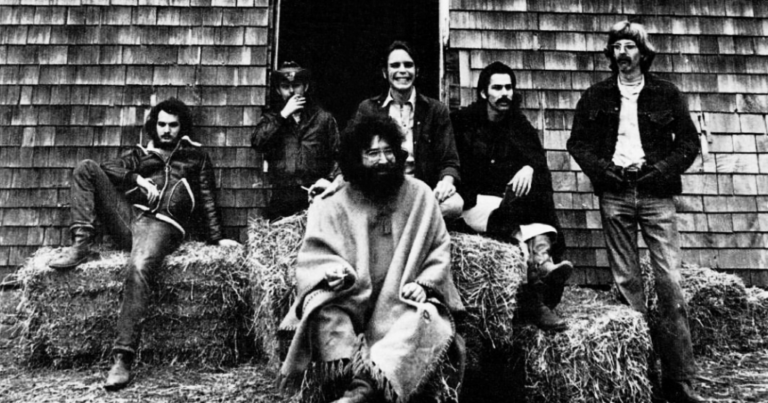
Stanford Continuing Studies Offering an Online Course Exploring the Music of the Grateful Dead, How Audrey Hepburn Risked Death to Help the Dutch Resistance in World War II ͏ ͏ ͏ ͏ ͏ ͏ ͏ ͏ ͏ ͏ ͏ ͏ ͏ ͏ ͏ ͏ ͏ ͏ ͏ ͏ ͏ ͏ ͏ ͏ ͏ ͏ ͏ ͏
|
| |

|
These days, it feels as if you can’t go very long at all before scrolling past another announcement about some new technological development (realized or scheduled) related to space exploration. Some react to this by wondering what could possibly be out there in the universe to justify such enormously capital- and research-intensive projects. Centuries ago,…
|
|
|
|
| |

|
Audrey Hepburn may not have had the most prolific Hollywood career, but a fair few of her characters still feel today like roles she was born to play. Perhaps the same could have been true of the part of Anne Frank, had she not refused to take it up. When Anne’s father Otto Frank…
|
|
|
|
| |
|
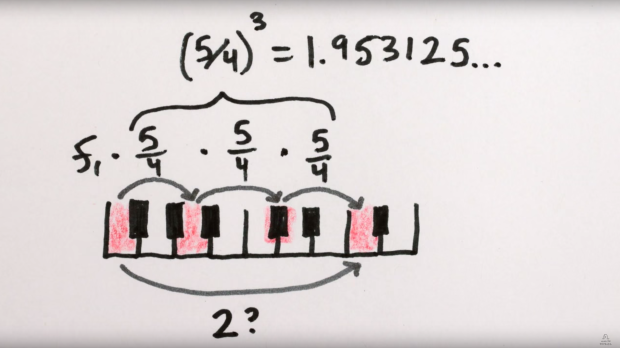
Grab a cup of coffee, put on your thinking cap, and start working through this video from Minute Physics, which explains why guitars, violins and other instruments can be tuned to a tee. But when it comes to pianos, it’s an entirely different story, a mathematical impossibility. Pianos are slightly but necessarily out of tune.…
|
|
|
|
| |
|
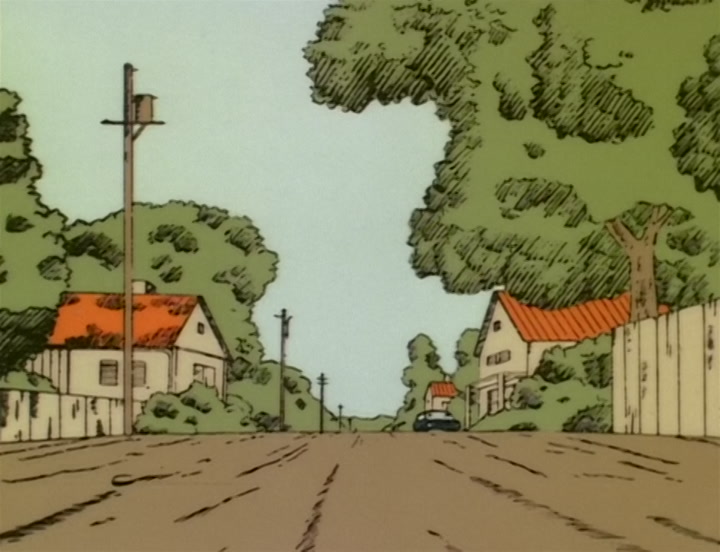
If you enjoy modern Japanese animation, you can no doubt name several masterpieces of the form off the top of your head, whether acclaimed series like Neon Genesis Evangelion and Cowboy Bebop to the work of cinema auteurs like Satoshi Kon and Hayao Miyazaki. What may cross your mind less…
|
|
|
|