|
Hear Joey Ramone Sing a Piece by John Cage Adapted from James Joyce’s Finnegans Wake, 21 Rules for Living from Miyamoto Musashi, Japan’s Samurai Philosopher (1584–1645) ͏ ͏ ͏ ͏ ͏ ͏ ͏ ͏ ͏ ͏ ͏ ͏ ͏ ͏ ͏ ͏ ͏ ͏ ͏ ͏ ͏ ͏ ͏ ͏ ͏ ͏
|
| |
|
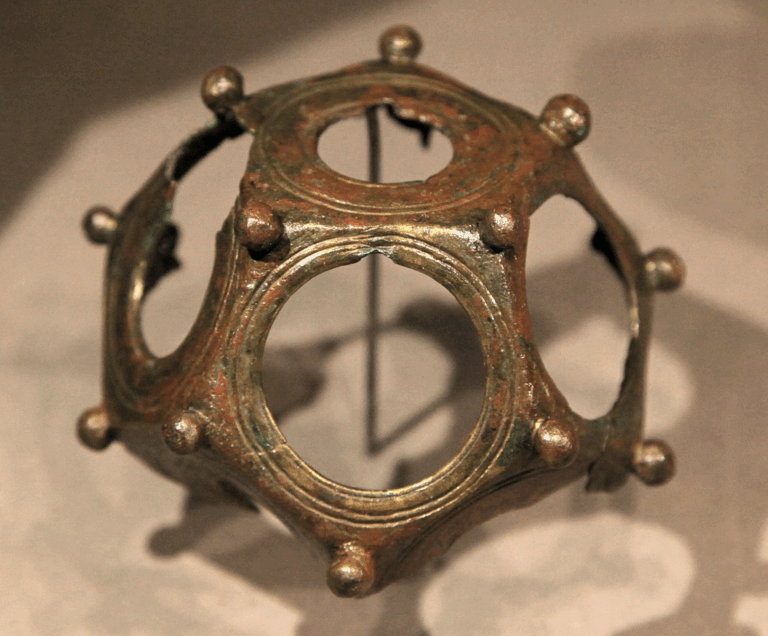
There isn’t much place for dodecahedra in modern life, at least in those modern lives with tabletop role-playing. In the ancient Roman Empire, however, those shapes seem to have been practically household objects — not that we know what the household would have done with them. Thus far, well over 100 similarly designed copper-alloy…
|
|
|
|
| |
|
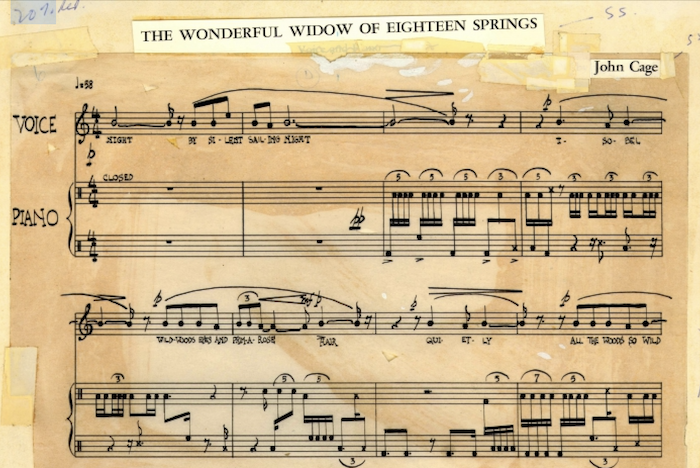
In 1942, John Cage composed a short piece of music adapted from the text of James Joyce’s Finnegans Wake. Titled “The Wonderful Widow of Eighteen Springs,” the piece was originally commissioned and performed by amateur soprano and socialite Justine Fairbank, and while we don’t have a recording of her performance, we do…
|
|
|
|
| |

|
Browse the ever-vaster selection of self-help books, videos, podcasts, and social-media accounts on offer today, and you’ll find no shortage of prescriptions for how to live. Much of what the gurus of the twenty-twenties have to say sounds awfully similar, and almost as much may seem contradictory. As in so many fields of human endeavor,…
|
|
|
|
| |

|
Between 1985 and 1988, a teenager by the name of Sohrab Habibion was attending punk and post-punk shows around the Washington, DC area. What set him apart was the bulky video camera he’d bring to the show and let roll, documenting entire gigs in all their low-rez, lo-fi glory. Just a kid trying to document…
|
|
|
|
| |

|
You could say that we live in the age of artificial intelligence, although it feels truer about no aspect of our lives than it does of advertising. “If you want to sell something to people today, you call it AI,” says Yuval Noah Harari in the new Big Think video above, even if the…
|
|
|
|