|
Why You Should Only Work 3–4 Hours a Day, Like Charles Darwin, Virginia Woolf & Adam Smith, Explore an Online Archive of 12,700 Vintage Cookbooks ͏ ͏ ͏ ͏ ͏ ͏ ͏ ͏ ͏ ͏ ͏ ͏ ͏ ͏ ͏ ͏ ͏ ͏ ͏ ͏ ͏ ͏ ͏ ͏ ͏ ͏ ͏ ͏ ͏ ͏ ͏ ͏ ͏ ͏ ͏ ͏ ͏ ͏ ͏ ͏ ͏ ͏ ͏ ͏ ͏ ͏ ͏ ͏ ͏
|
| |

|
We’ve long used the French word milieu in English, but not with quite the same range of meanings it has back in France. For example, French society (and especially the members of its older generations) explicitly recognizes the value of a milieu in the sense of the collected friends, acquaintances, and relations with whom one has…
|
|
|
|
| |
|
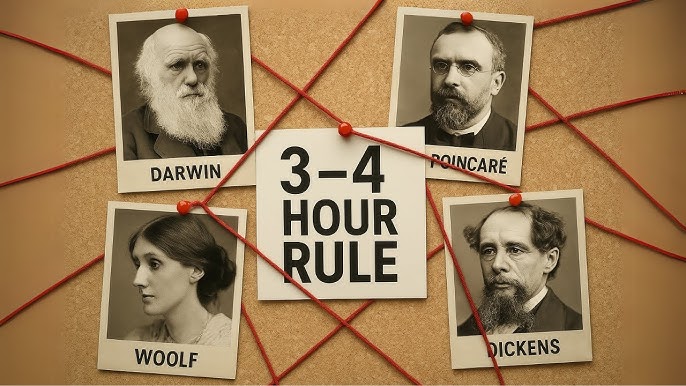
These days, we hear much said on social media — surely too much — in favor of the “hustle culture” and the “grind mindset” (or, abbreviated for maximum efficiency, the “grindset”). Dedication to your work is to be admired, provided that the work itself is of value, but the more of a day’s hours you…
|
|
|
|
| |
|
“Early cookbooks were fit for kings,” writes Henry Notaker at The Atlantic. “The oldest published recipe collections” in the 15th and 16th centuries in Western Europe “emanated from the palaces of monarchs, princes, and grand señores.” Cookbooks were more than recipe collections—they were guides to court etiquette and sumptuous records of luxurious…
|
|
|
|
| |
|
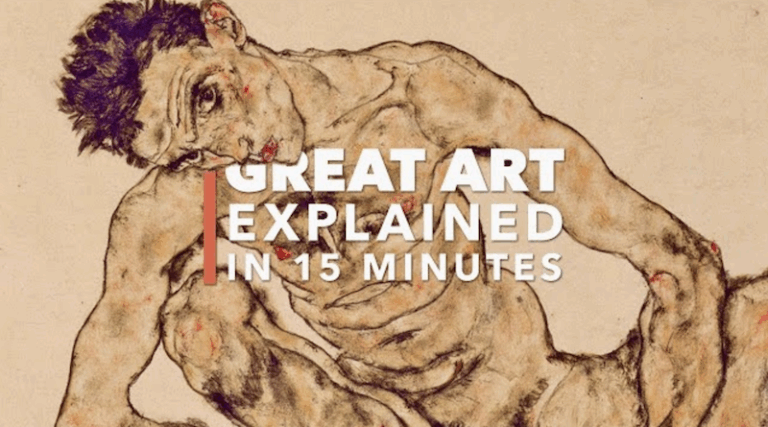
“May you live in interesting times,” goes the apocryphal but nevertheless much-invoked “Chinese curse.” Egon Schiele, born in the Austria-Hungary of 1890, certainly did live in interesting times, and his work, as featured in the new Great Art Explained video above, can look like the creations of a cursed man. That’s especially true…
|
|
|
|
| |
|
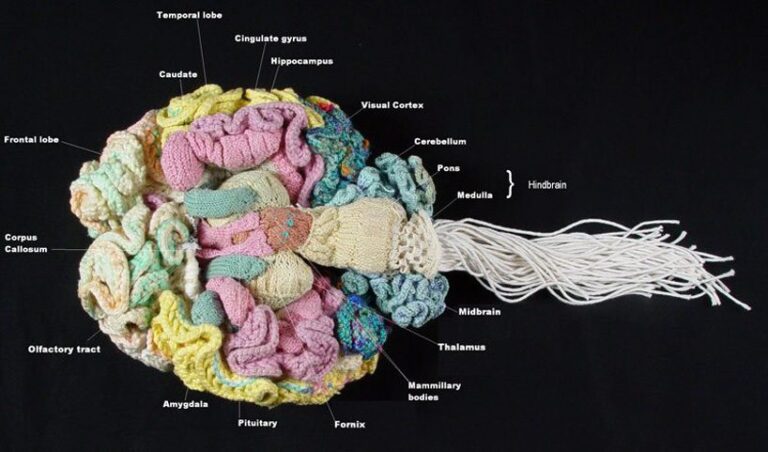
Our brains dictate our every move.
They’re the ones who spur us to study hard, so we can make something of ourselves, in order to better our communities.
They name our babies, choose our clothes, decide what we’re hungry for.
They make and break laws, organize protests, fritter away hours…
|
|
|
|