|
| |

|
In the nineteen-sixties, the music media encouraged the notion that a young rock-and-roll fan had to side with either the Beatles or their rivals, the Rolling Stones. On some level, it must have made sense, given the growing aesthetic divide between the music the two world-famous groups were putting out. But, at bottom, not only…
|
|
|
|
| |
|
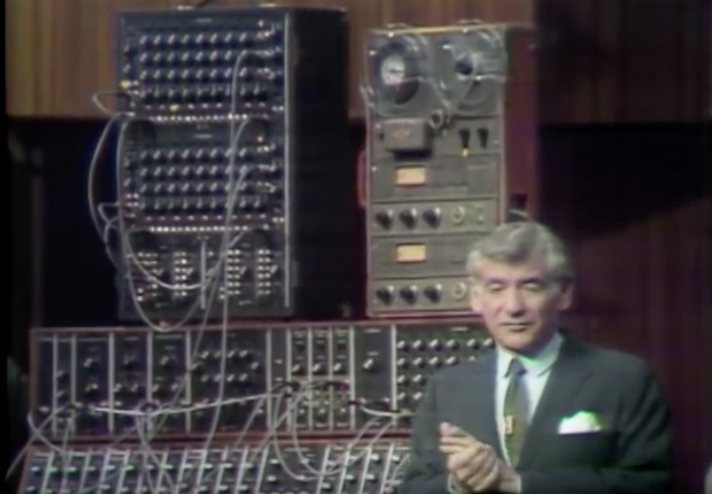
When Wendy Carlos released Switched-On Bach in 1968, her “greatest hits” compilation of the Baroque composer’s music, played entirely on the Moog analog synthesizer, the album became an immediate hit with both classical and pop audiences. Not only was it “acclaimed as real music by musicians and the listening public alike,” as
|
|
|
|
| |
|
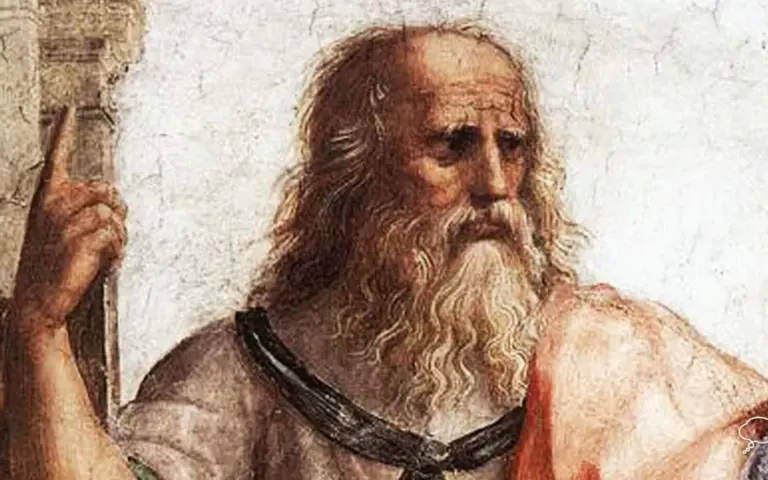
Even if you can name only one ancient Greek, you can name Plato. You can also probably say at least a little about him, if only some of the things humanity has known since antiquity. Until recently, of course, that qualification would have been redundant. But now, thanks to an ongoing high-tech push to…
|
|
|
|
| |
|
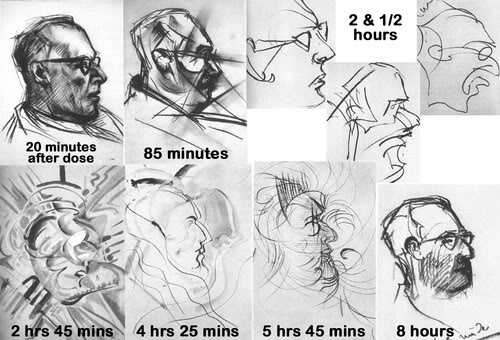
During the 1950s, a researcher gave an artist two 50-microgram doses of LSD (each dose separated by about an hour), and then the artist was encouraged to draw pictures of the doctor who administered the drugs. Nine portraits were drawn over the space of eight hours. We still don’t know the identity of the artist. But…
|
|
|
|