|
| |
|
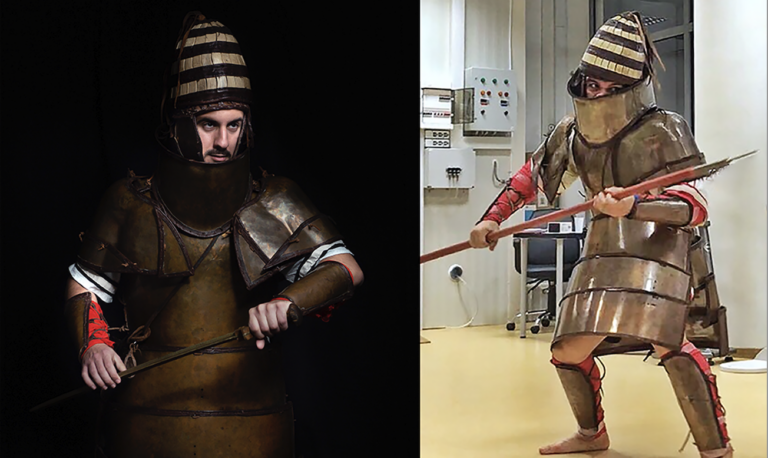
By Greek law, every male citizen over the age of eighteen must spend from nine months to a year in the Hellenic Armed Forces. As in every country with such a policy of mandatory conscription, this is surely not a prospect relished by most conscripts-to-be. But then, it can’t be all bad, at least…
|
|
|
|
| |
|
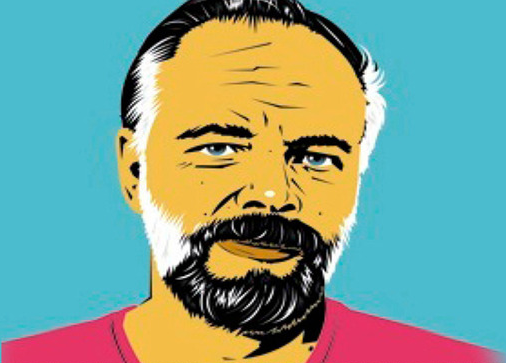
In 1963, Philip K. Dick won the coveted Hugo Award for his novel The Man in the High Castle, beating out such sci-fi luminaries as Marion Zimmer Bradley and Arthur C. Clarke. Of the novel, The Guardian writes, “Nothing in the book is as it seems. Most characters are not what they say…
|
|
|
|
| |

|
If we ask which philosophy professor has made the greatest impact in this decade, there’s a solid case to be made for the late Michael Sugrue. Yet in the nearly four-decade-long career that followed his studies at the University of Chicago under Allan Bloom (author of The Closing of the American Mind,…
|
|
|
|
| |
|
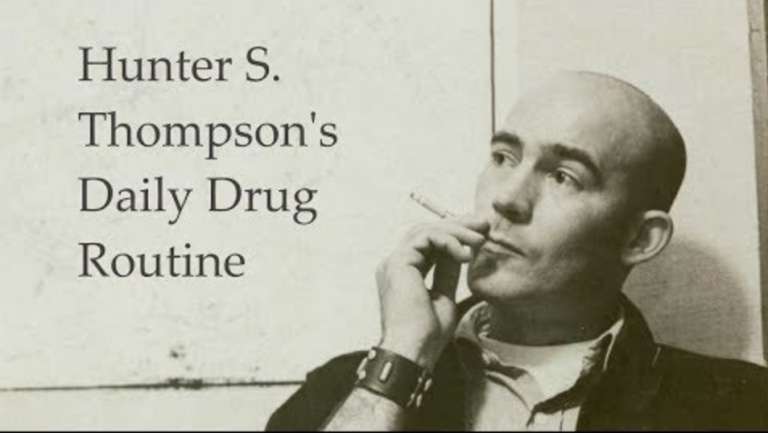
E. Jean Carroll’s 1993 memoir of Hunter S. Thompson opens like this:
I have heard the biographers of Harry S. Truman, Catherine the Great, etc., etc., say they would give anything if their subjects were alive so they could ask them some questions. I, on the other hand, would give anything if my subject…
|
|
|
|
| |

|
Robert Waldinger works as a part-time professor of psychiatry at Harvard Medical School, but he also describes himself as a “Zen master.” This may strike some listeners as a presumptuous claim, but he has indeed been officially accepted as a rōshi in two different Zen lineages in the West. With one foot in…
|
|
|
|