|
| |
|
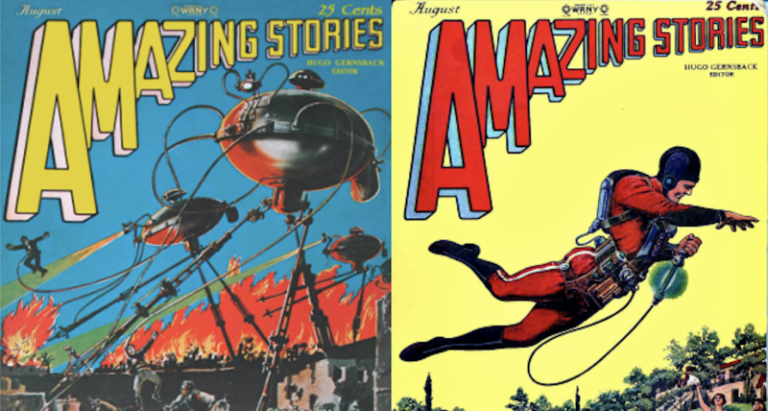
If you haven’t heard of Hugo Gernsback, you’ve surely heard of the Hugo Award. Next to the Nebula, it’s the most prestigious of science fiction prizes, bringing together in its ranks of winners such venerable authors as Ursula K. Le Guin, Arthur C. Clarke, Robert Heinlein, Neil Gaiman, Isaac Asimov, and just…
|
|
|
|
| |
|
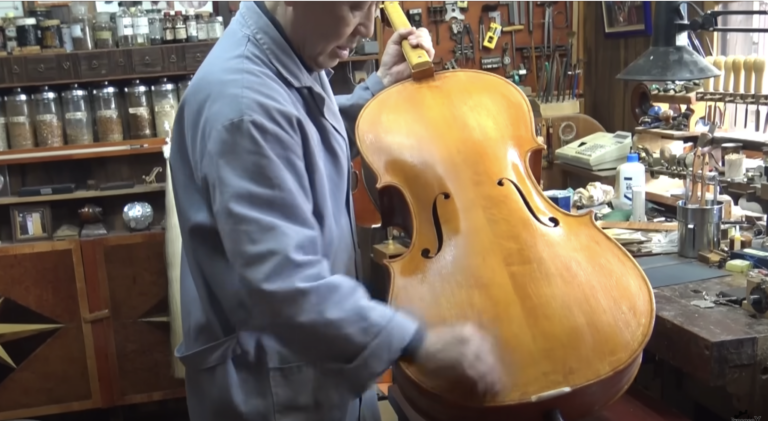
Cellists unwilling to settle for any but the finest instrument must, sooner or later, make a pilgrimage to Cremona — or rather, to the Cremonas. One is, of course, the city in Lombardy that was home to numerous pioneering master luthiers, up to and including Antonio Stradivari. The other, lesser known Cremona is a workshop…
|
|
|
|
| |
|
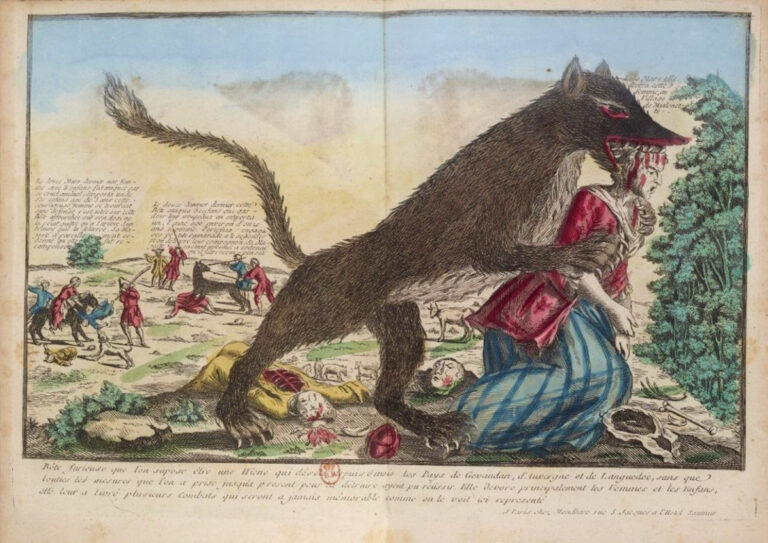
If you’ve studied French (or, indeed, been French) in the past couple of decades, you may well have played the card game Les Loups-garous de Thiercelieux. Known in English as The Werewolves of Millers Hollow, it casts its players as hunters, thieves, seers, and other types of rural villagers in the distant past. By…
|
|
|
|
| |
|
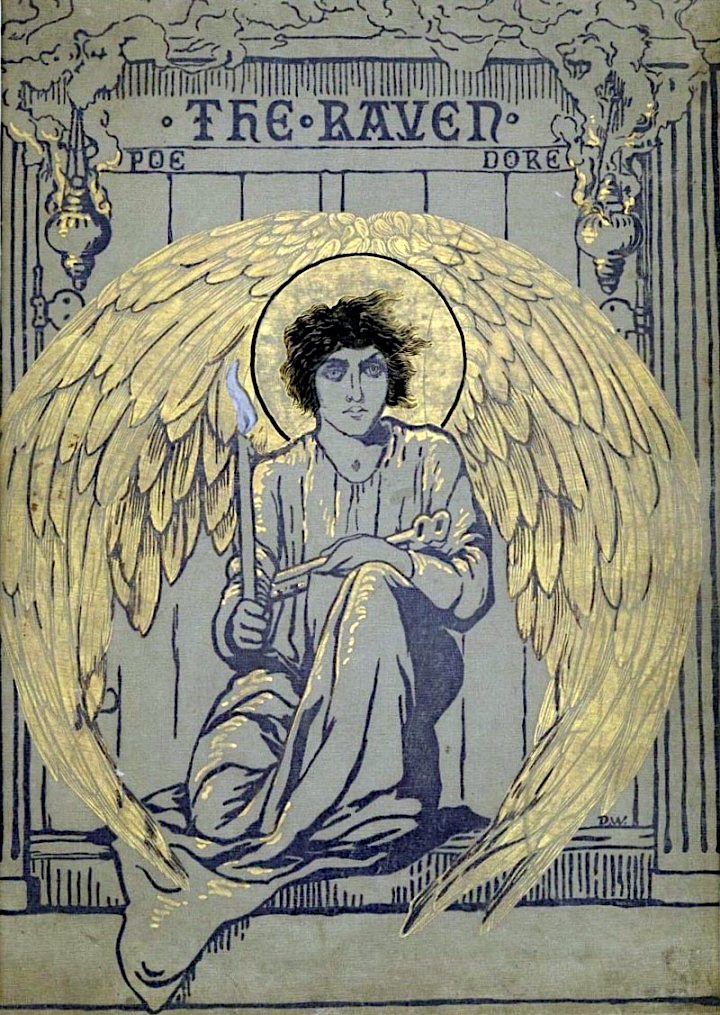
One of the busiest, most in-demand artists of the 19th century, Gustave Doré made his name illustrating works by such authors as Rabelais, Balzac, Milton, and Dante. In the 1860s, he created one of the most memorable and popular illustrated editions of Cervantes’ Don Quixote, while at the same time completing…
|
|
|
|
| |
|
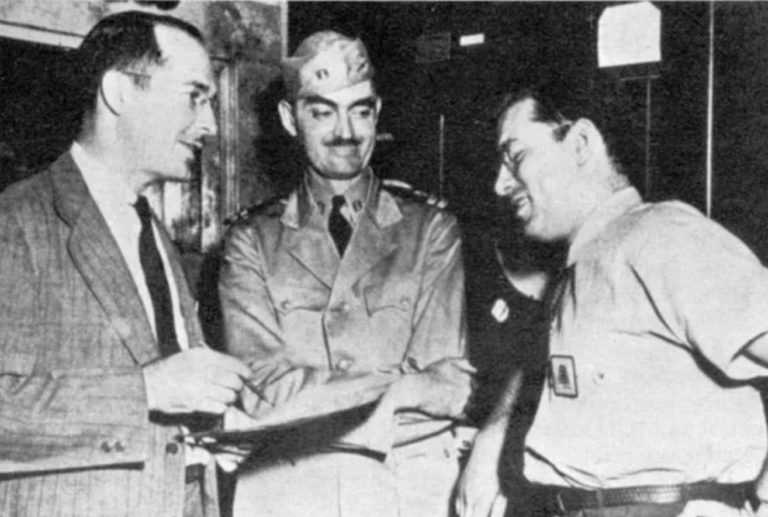
Robert Heinlein, Isaac Asimov and L. Sprague De Camp at the Navy Yard in 1944
Robert Heinlein was born in 1907, which put him on the mature side by the time of the United States’ entry into World War II. Isaac Asimov, his younger colleague in science fiction, was born in…
|
|
|
|