|
| |

|
In late-twenties Manhattan, a nineteen-year-old woman named Elizabeth “Lee” Miller stepped off the curb and into the path of a car. She was pulled back to safety by none other than the magnate Condé Nast, founder of the eponymous publishing company. Not long thereafter, Miller, who’d been studying at the Art Students League…
|
|
|
|
| |
|
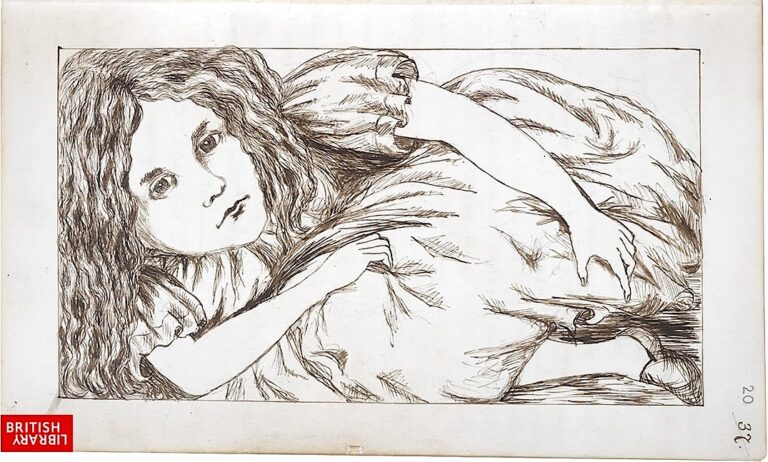
On a summer day in 1862, a tall, stammering Oxford University mathematician named Charles Lutwidge Dodgson took a boat trip up the River Thames, accompanied by a colleague and the three young daughters of university chancellor Henry Liddell. To stave off tedium during the five-mile journey, Dodgson regaled the group with…
|
|
|
|
| |

|
These days, references to seventies television increasingly require prefatory explanation. Who under the age of 60 recalls, for example, the cultural phenomenon that was Mary Hartman, Mary Hartman, an absurdist satire so faithful to the soap-opera form it parodied that it aired every weeknight, putting out 325 episodes between early 1976 and mid-1977? And even…
|
|
|
|
| |

|
Image via Wikimedia Commons
“The great Tao fades away.”
So begins one translation of the Tao Te Ching’s 18th Chapter. The sentence captures the frustration that comes with a lost epiphany. Whether it’s a profound realization when you just wake up, or moment of clarity in the shower, by the…
|
|
|
|
| |
|
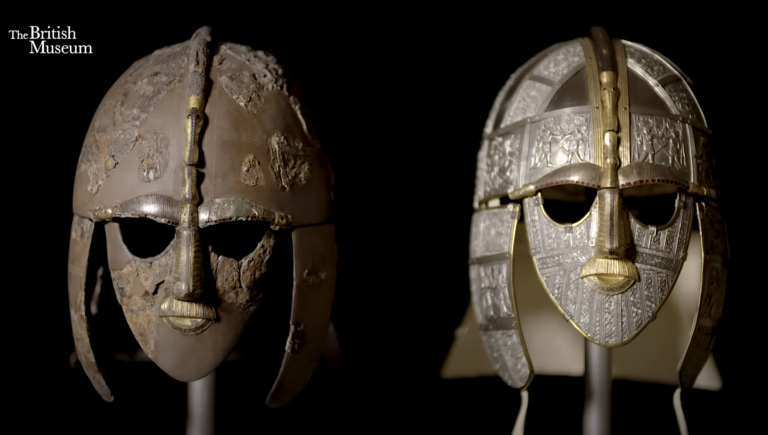
Even if a student assigned Beowulf is, at first, dismayed by its language, that same student may well be captivated by its setting. While that mythical but somehow both gloriously and dankly realistic realm of kings and dragons, mead halls and bog monsters may feel familiar to fantasy enthusiasts, it’s also strange on a deeper…
|
|
|
|