|
| |
|
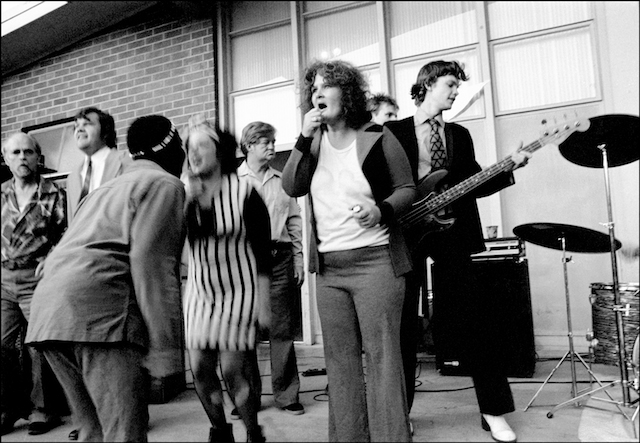
“We’re The Cramps, and we’re from New York City, and we drove 3,000 miles to play for you people.” So begins one of the oddest but also the punkest of punk rock concerts in history, as The Cramps play for a crowd at a state mental hospital in Napa, California. The date was June 13, 1978, a time…
|
|
|
|
| |
|
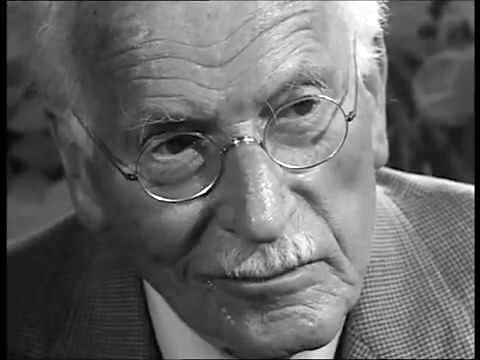
Carl Gustav Jung, founder of analytic psychology and explorer of the collective unconscious, was born on July 26, 1875 in the village of Kesswil, in the Thurgau canton of Switzerland. Above, we present a fascinating 39-minute interview of Jung by John Freeman for the BBC program Face to Face. It was filmed at…
|
|
|
|
| |
|
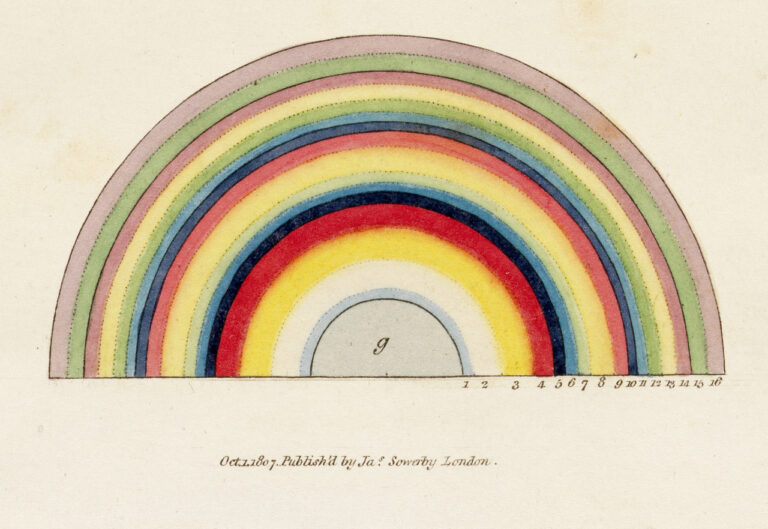
James Sowerby was an artist dedicated to the natural world. It thus comes as no surprise that he was also enormously interested in color, especially given the era in which he lived. Born in 1757, he made his professional start as a painter of flowers: a viable career path in those days,…
|
|
|
|
| |
|
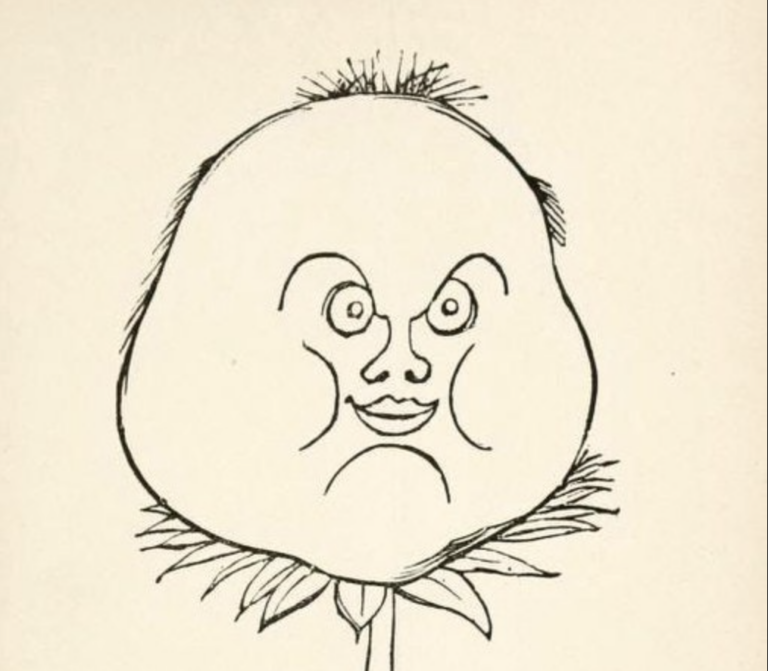
Since the Victorian era, Edward Lear’s “The Owl and the Pussy-Cat” has been, for generation upon generation in the English-speaking world, the kind of poem that one simply knows, whether one remembers actually having read it or not. As with most such works that seep so permanently into the culture, it doesn’t…
|
|
|
|
| |
|
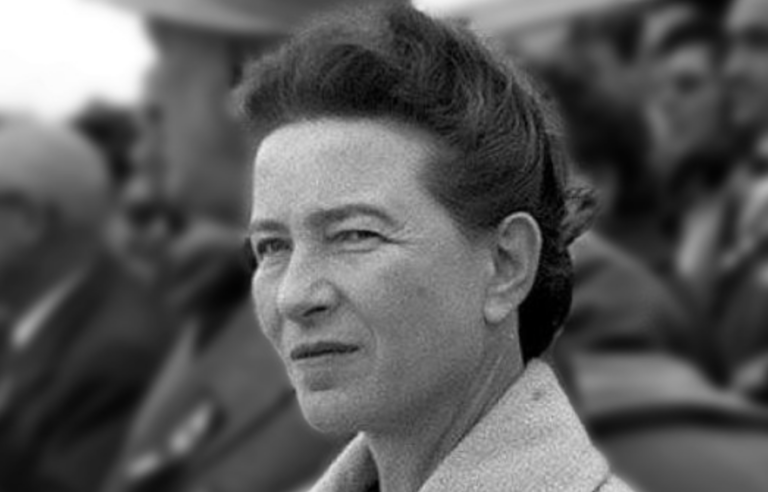
In Simone de Beauvoir’s 1945 novel The Blood of Others, the narrator, Jean Blomart, reports on his childhood friend Marcel’s reaction to the word “revolution”:
It was senseless to try to change anything in the world or in life; things were bad enough even if one did not meddle with them. Everything that…
|
|
|
|