|
Hear the Very First Adaptation of George Orwell’s 1984 in a Radio Play Starring David Niven (1949), What is Electronic Music?: Pioneering Electronic Musician Daphne Oram Explains (1969) ͏ ͏ ͏ ͏ ͏ ͏ ͏ ͏ ͏ ͏ ͏ ͏ ͏
|
| |

|
“In our salad days, we are ripe for a particular movie that will linger, deathlessly, long after the greenness has gone,” writes the New Yorker’s Anthony Lane in a recent piece on movies in the eighties. “When a friend turned to me after the first twenty minutes of Ferris Bueller’s Day Off, in 1986,…
|
|
|
|
| |
|
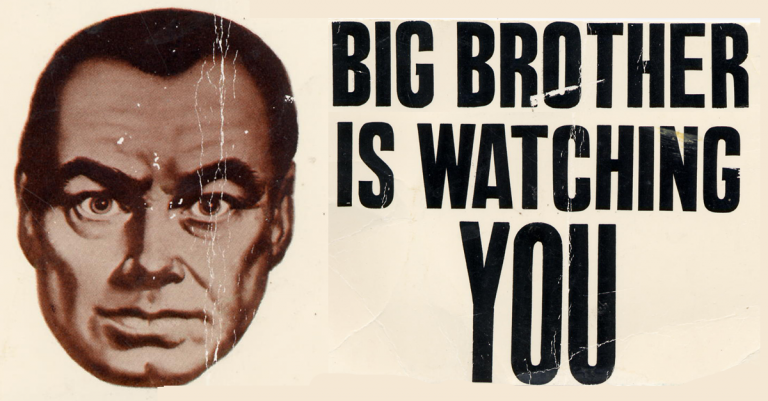
Since George Orwell published his landmark political fable 1984, each generation has found ample reason to make reference to the grim near-future envisioned by the novel. Whether Orwell had some prophetic vision or was simply a very astute reader of the institutions of his day—all still with us in mutated form—hardly matters. His book…
|
|
|
|
| |
|
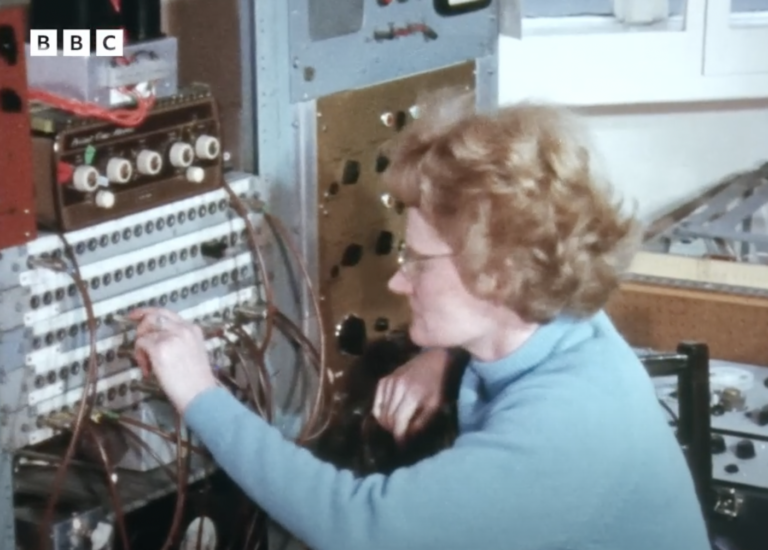
Survey the British public about the most important institution to arise in their country after World War II, and a lot of respondents are going to say the National Health Service. But keep asking around, and you’ll sooner or later encounter a few serious electronic-music enthusiasts who name the BBC Radiophonic Workshop. Established in…
|
|
|
|
| |
|
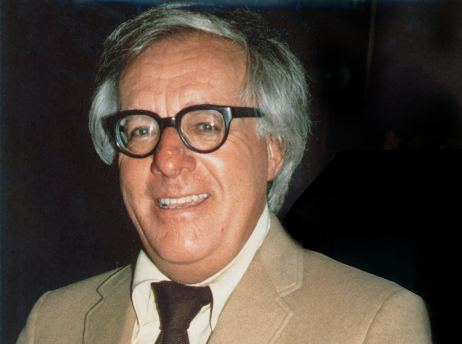
Ray Bradbury had it all thought out. Behind his captivating works of science fiction, there were subtle theories about what literature was meant to do. The retro clip above takes you back to the 1970s and it shows Bradbury giving a rather intriguing take on the role of literature and art. For the author of Fahrenheit…
|
|
|
|
| |
|
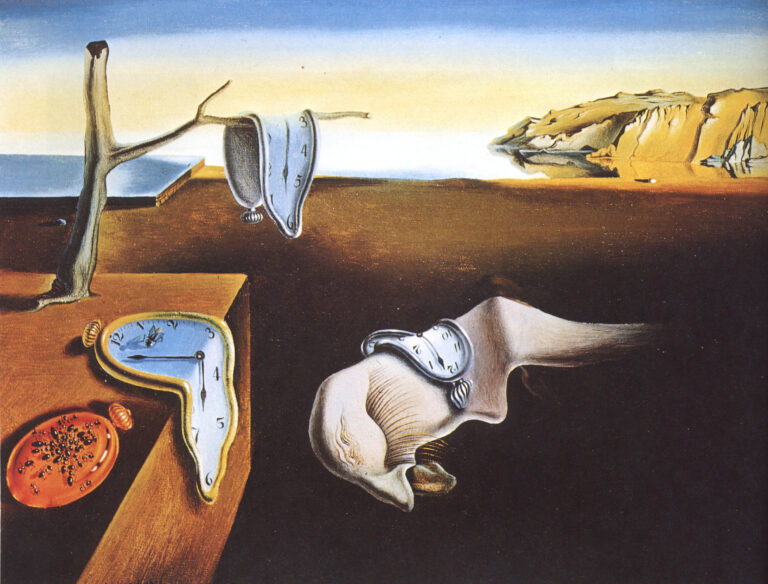
Before his signature works like The Atrocity Exhibition, Crash, and High-Rise, J. G. Ballard published three apocalyptic novels, The Drowned World, The Burning World, and The Crystal World. Each of those books offers a different vision of large-scale environmental disaster, and the last even provides a clue as to its inspiration. Or…
|
|
|
|