|
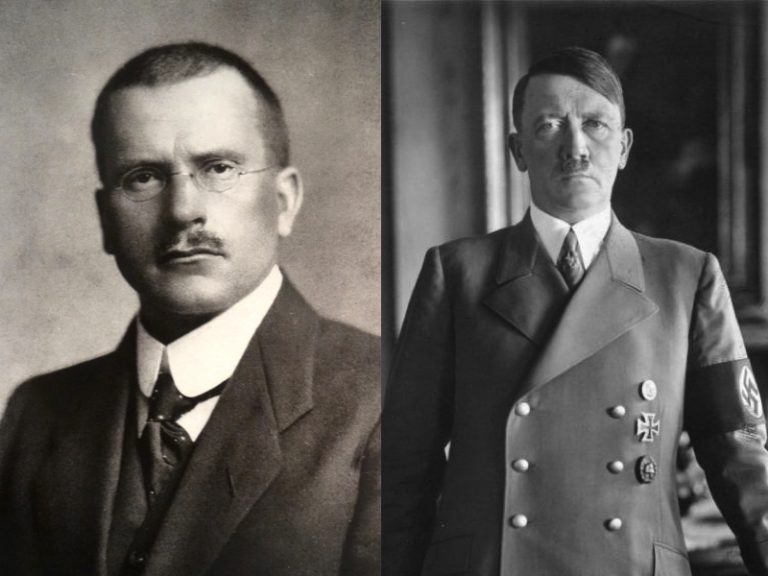
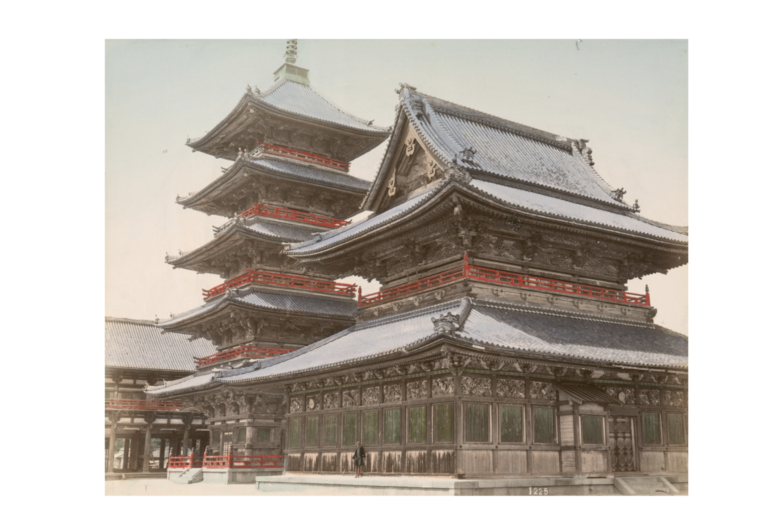
George Orwell Reviews Mein Kampf: “He Envisages a Horrible Brainless Empire” (1940), How the Oldest Company in the World, Japan’s Temple-Builder Kongō Gumi, Has Survived Nearly 1,500 Years ͏ ͏ ͏ ͏ ͏
|
| |
|
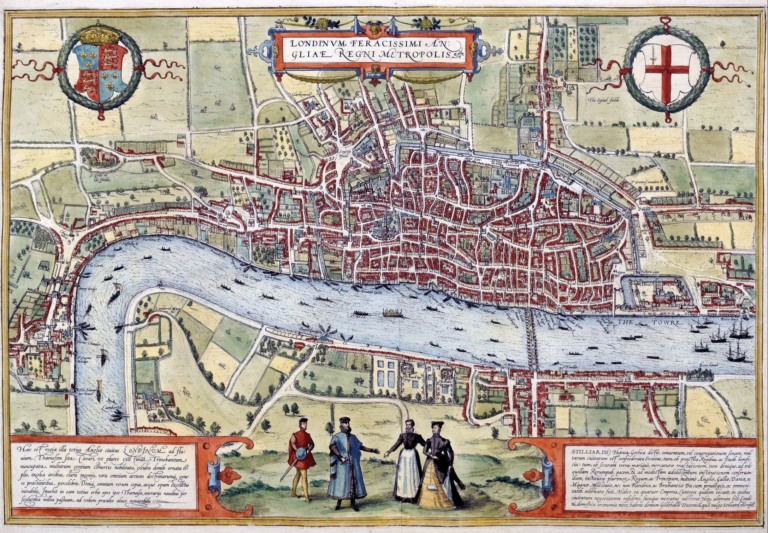
Read a novel by Charles Dickens, and you’ll still today feel transported back to the London of the eighteen-twenties. Some of that experience owes to his lavishly reportorial descriptive skills, but even more to his way with dialogue. Dickens faithfully captured the vocabulary of the times and places in which he set his stories, and…
|
|
|
|
| |

|
Are your idle moments spent inventing imaginary conversations between strange bedfellows? The sort of conversation that might transpire in a pickup truck belonging to Samuel Beckett, say, were the Irish playwright to chauffeur the child André Rene Roussimoff—aka pro wrestler André the Giant—to school?
Too silly, you say? Nonsense. This isn’t some wackadoo…
|
|
|
|
| |

|
In a 1956 New Statesman piece, the British scientist-novelist C. P. Snow first sounded the alarm about the increasingly chasm-like divide between what he called the “scientific” and “traditional” cultures. We would today refer to them as the sciences and the humanities, while still wringing our hands over the inability of each side to…
|
|
|
|