|
Maurice Sendak’s First Published Illustrations: Discover His Drawings for a 1947 Popular Science Book, Solving a 2,500-Year-Old Puzzle: How a Cambridge Student Cracked an Ancient Sanskrit Code ͏ ͏ ͏ ͏ ͏ ͏
|
| |

|
“I bet RadioShack was great once,” writes former employee Jon Bois in a much-circulated 2014 piece for SB Nation. “I can’t look through their decades-old catalogs and come away with any other impression. They sold giant walnut-wood speakers I’d kill to have today. They sold computers back when people were trying to…
|
|
|
|
| |
|
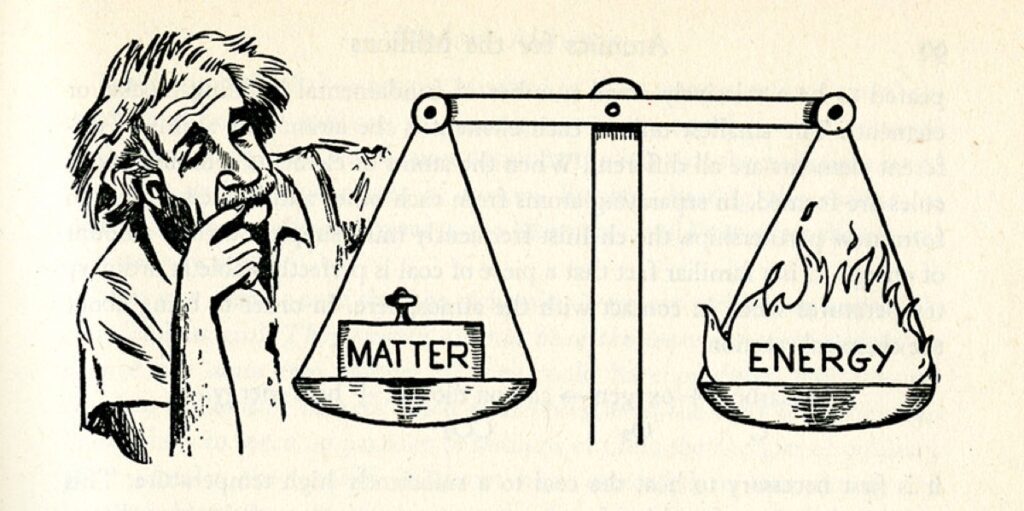
McGraw-Hill/public domain; copy from the Niels Bohr Library & Archives
Once upon a time, long before Maurice Sendak illustrated Where The Wild Things Are (1963), he published, notes Ars Technica, “his first professional illustrations in a 1947 popular science book about nuclear physics, Atomics for the Millions.” Only 18 years…
|
|
|
|
| |
|
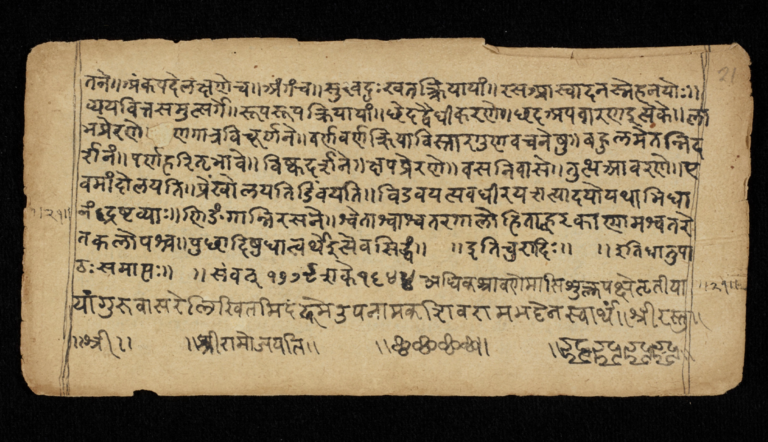
If you find yourself grappling with an intellectual problem that’s gone unsolved for millennia, try taking a few months off and spending them on activities like swimming and meditating. That very strategy worked for a Cambridge PhD student named Rishi Rajpopat, who, after a summer of non-research-related activities, returned to a text by…
|
|
|
|
| |
|
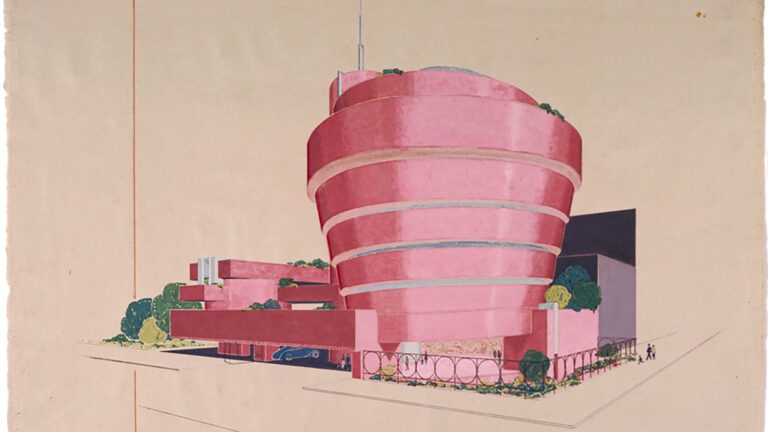
Image via The Frank Lloyd Wright Foundation Archives
Seen today, the Solomon R. Guggenheim Museum, designed by Frank Lloyd Wright, seems to occupy several time periods at once, looking both modern and somehow ancient. The latter quality surely has to do with its bright white color, which we associate (especially in such…
|
|
|
|
| |

|
Andrew Huberman–the host of the influential Huberman Lab podcast–has gotten a lot of mileage out of his recommended morning routine. His routine emphasizes the importance of getting sunlight within 30–60 minutes of waking; also engaging in light physical activity; hydrating well; and avoiding coffee for the first 90–120 minutes. In his words:
I…
|
|
|
|