|
The Complete Howard Stern Interview with Kamala Harris, The Story of Francis Ford Coppola’s Four-Decade-Struggle to Make Megalopolis ͏ ͏ ͏ ͏ ͏ ͏ ͏ ͏ ͏ ͏ ͏ ͏ ͏ ͏ ͏ ͏ ͏ ͏ ͏ ͏ ͏ ͏ ͏ ͏ ͏ ͏ ͏ ͏ ͏ ͏ ͏ ͏ ͏ ͏ ͏ ͏ ͏ ͏ ͏ ͏ ͏ ͏ ͏ ͏ ͏ ͏ ͏ ͏ ͏ ͏ ͏ ͏ ͏ ͏ ͏ ͏ ͏ ͏ ͏ ͏ ͏ ͏ ͏ ͏ ͏ ͏
|
| |
|
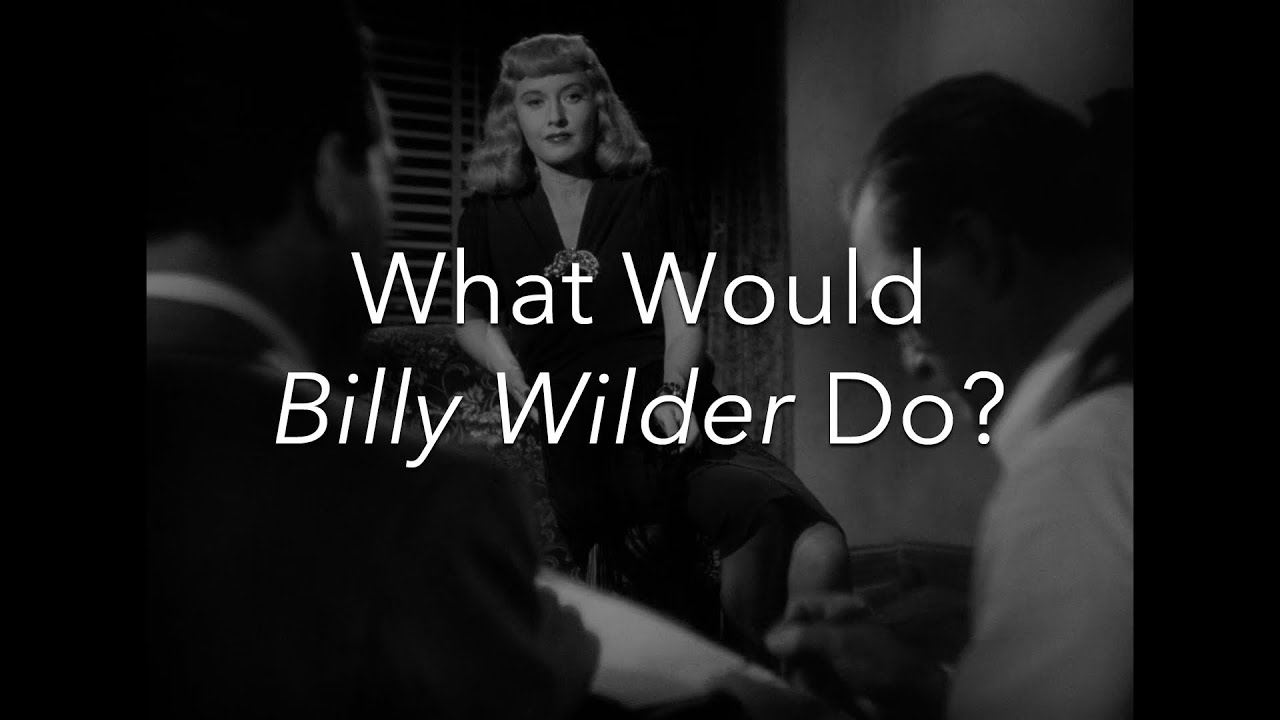
When the acclaimed cinema video-essay channel Every Frame a Painting made its comeback this past summer, its creators Tony Zhou and Taylor Ramos took a close look at the “sustained two-shot,” which captures a stretch of dialogue between two characters without the interference of a cut. Though it’s become something of a rarity under today’s shoot-everything-and-figure-it-out-in-editing ethos, it was used often in classic Hollywood pictures. Take, for example, the work of Polish-born writer-director Billy Wilder, who began his film career in prewar Germany, then went to Hollywood and “embarked on a series of ostensibly daring, disenchanted movies, against the grain of American cheerfulness.”
So writes David Thomson in The New Biographical Dictionary of Film. “Double Indemnity was a thriller based on the principle that crime springs from human greed and depravity; The Lost Weekend was the cinema’s most graphic account of alcoholism; A Foreign Affair has shots of a ruined Berlin accompanied by the tune ‘Isn’t It Romantic?’; Sunset Boulevard mocks the maddening glamour within Hollywood; Ace in the Hole exposes the unscrupulousness of the sensational press; Stalag 17 […]
|
|
|
|
| |

|
It’s hard to know where to start. This election comes down to whether we want to reward someone who tried to subvert our democracy four years ago. Whether we want to preserve the alliances that have kept the peace since World War II. Whether women want to resist losing rights they long thought secure. (It’s…
|
|
|
|
| |
|
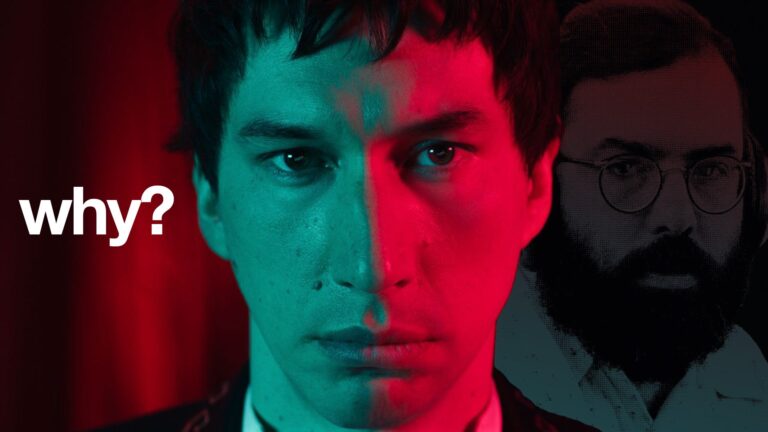
This past summer, out came a trailer for Megalopolis, the movie Francis Ford Coppola has spent half of his life trying to make. It took the bold approach of opening with quotes from reviews of his previous pictures, and not positive ones: when it was first released, Rex Reed called Apocalypse Now “an epic piece…
|
|
|
|
| |
|
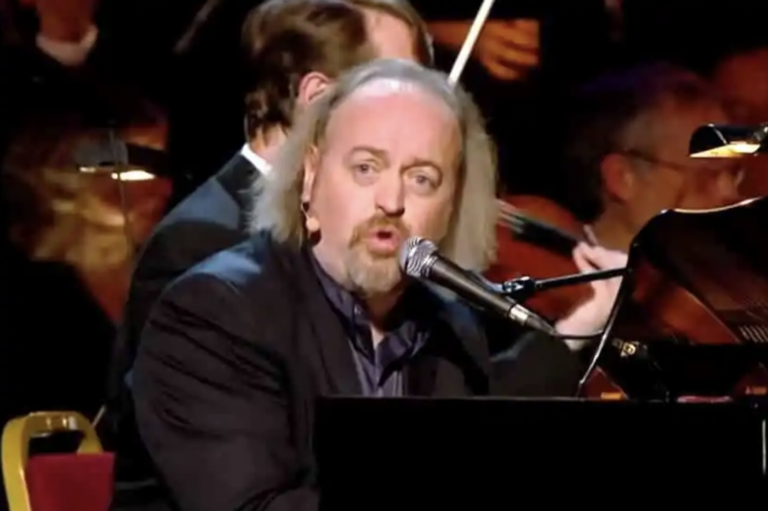
Written by Ron Grainer, and then famously arranged and recorded by Delia Derbyshire in 1963, the Doctor Who theme song has been adapted and covered many times, and even referenced by Pink Floyd. In the hands of comedian Bill Bailey, the song comes out a little differently–a little like a Belgian Jacques…
|
|
|
|
| |

|
Kurt Vonnegut’s life was not without its ironies. Fighting in World War II, that descendant of a long line of German immigrants in the United States found himself imprisoned in Dresden just when it was devastated by Allied firebombing. To understand the relevance of this experience to his literary work, one need…
|
|
|
|