|
Andy Warhol’s One Minute of Professional Wrestling Fame (1985), Built to Last: How Ancient Roman Bridges Can Still Withstand the Weight of Modern Cars & Trucks ͏ ͏ ͏ ͏ ͏ ͏ ͏ ͏ ͏ ͏ ͏ ͏ ͏ ͏ ͏ ͏ ͏ ͏ ͏ ͏ ͏ ͏ ͏ ͏ ͏ ͏ ͏ ͏ ͏ ͏ ͏ ͏ ͏ ͏ ͏
|
| |
|
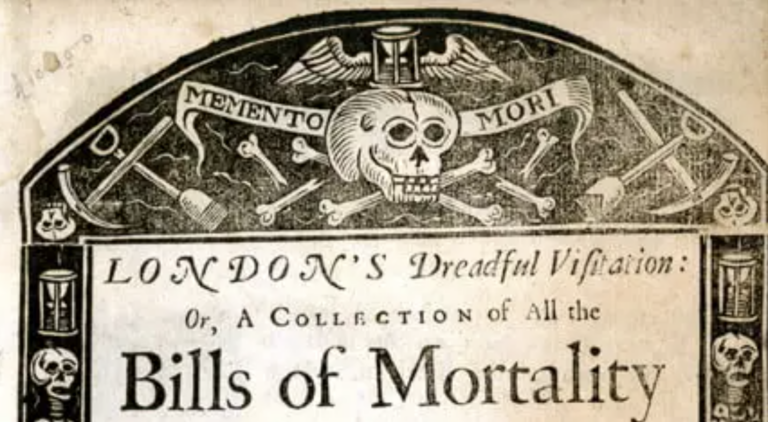
A common historical misconception holds that, up until a few centuries ago, everyone died when they were about 40. In fact, even in antiquity, one could well make it to what would be considered an advanced age today — assuming one survived the great mortal peril of childhood, and then all the dangers…
|
|
|
|
| |

|
Andy Warhol did for art what the World Wrestling Federation (WWF) did for wrestling. He made it a spectacle. He made it something the “everyman” could enjoy. He infused it with celebrity. And, some would say, he cheapened it too.
Looking back, it makes perfect sense that Warhol frequented wrestling shows at Madison Square Garden during the 1970s and 80s. And here we have him appearing on camera at The War to Settle the Score, a WWF event that aired on MTV in 1985. Hulk Hogan battled “Rowdy” Roddy Piper in the main event. But, the sideshow included (let’s get in the Hot Tub Time Machine) the likes of Cyndi Lauper, Mr. T, and Andy too.
If you’re familiar with the 1980s professional wrestling script, you know that Mean Gene Okerlund conducted backstage and ringside interviews with the wrestlers, giving them the chance to pound their chests and gas off. When Okerlund turned to Warhol and asked for his hot take on the Hogan/Piper match, Warhol couldn’t muster very much. “I’m speechless.” “I just don’t know what to say.” And, before […]
|
|
|
|
| |
|
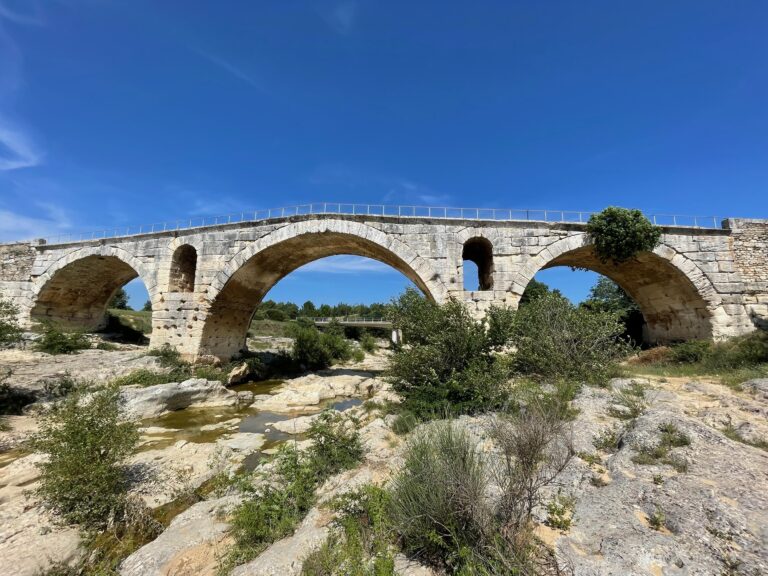
A foreign traveler road-tripping across Europe might well feel a wave of trepidation before driving a fully loaded modern automobile over a more than 2,000-year-old bridge. But it might also be balanced out by the understanding that such a structure has, by definition, stood the test of time — and, for those with a grasp…
|
|
|
|
| |

|
Perhaps no single person did more to popularize Zen Buddhism in the West than Alan Watts. In a sense, Watts prepared U.S. culture for more traditionally Zen teachers like Soto priest Suzuki Roshi, whose lineage continues today, but Watts did not consider himself a Zen Buddhist. Or at least that’s what he tells…
|
|
|
|
| |

|
It would surprise none of us to encounter a young artist looking to cast off his past and make his mark on the culture in a place like Williamsburg. But in the case of Man Ray, Williamsburg was his past. One must remember that the Brooklyn of today bears little resemblance to the Brooklyn…
|
|
|
|