|
| |
|
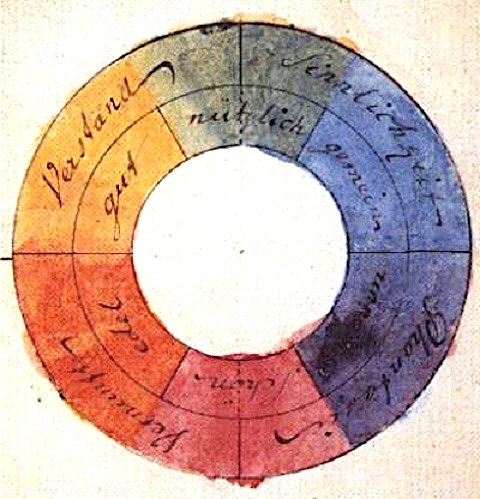
I doubt I need to list for you the many titles of the 18th century German savant and polymath Johann Wolfgang von Goethe, but allow me to add one or two that were new to me, at least: color theorist (or phenomenologist of color) and progenitor of abstract expressionism. As a fascinating
|
|
|
|
| |

|
What with the rise of Korean pop culture over the past decade or so — the virality of Psy’s “Gangnam Style,” BTS’ rise on the Billboard chart, Bong Joon-ho’s Academy Award for Parasite, and the worldwide Netflix phenomenon that was Squid Game — the Korean language is now avidly studied…
|
|
|
|
| |
|
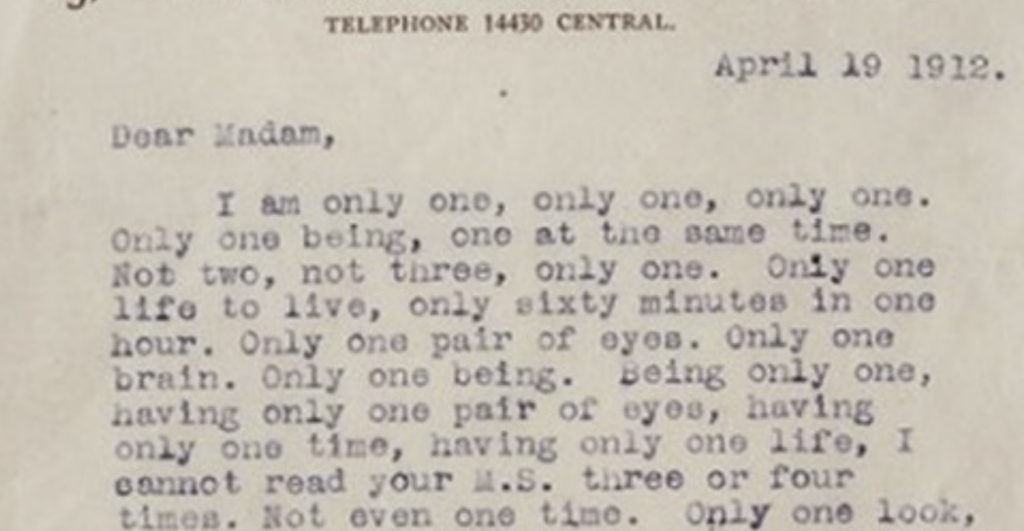
Gertrude Stein considered herself an experimental writer and wrote what The Poetry Foundation calls “dense poems and fictions, often devoid of plot or dialogue,” with the result being that “commercial publishers slighted her experimental writings and critics dismissed them as incomprehensible.” Take, for example, what happened when Stein sent a…
|
|
|
|
| |

|
In 2006, Sting released an album called Songs from the Labyrinth, a collaboration with Bosnian lutenist Edin Karamazov consisting mostly of compositions by Renaissance composer John Dowland. This was regarded by some as rather eccentric, but to listeners familiar with the early music revival that had already been going on for a few…
|
|
|
|
| |
|
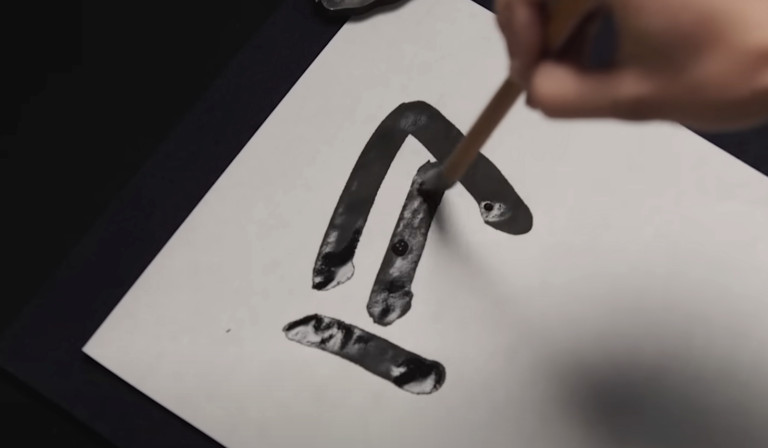
Founded in 1577, Kobaien remains Japan’s oldest manufacturer of sumi ink sticks. Made of soot and animal glue, the ink stick—when ground against an inkstone, with a little water added—produces a beautiful black ink used by Japanese calligraphers. And, often, a 200-gram ink stick from Kobaien can cost over $1,000.
How can soot…
|
|
|
|