|
| |
|
Depending on how you reckon it, the “American century” has already ended, is now drawing to its close, or has some life left in it yet. But whatever its boundaries, that ambiguous period has been culturally defined by one medium above all: film, or more broadly speaking, motion pictures. These very words might start a…
|
|
|
|
| |
|
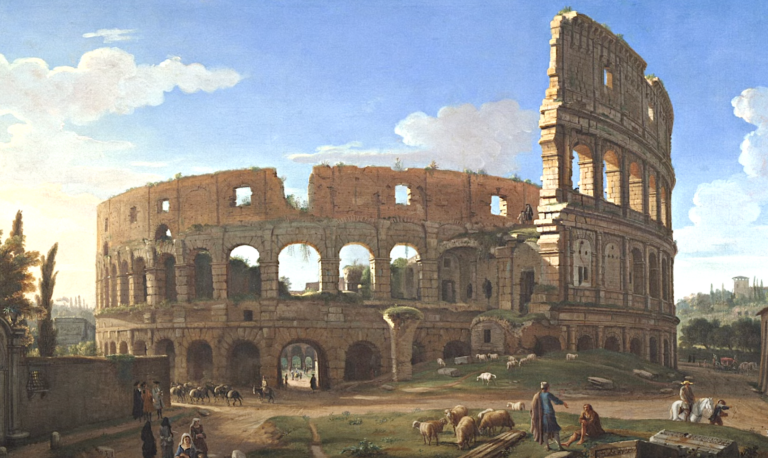
Pursued to any depth, the question of whether the United States of America counts as an empire becomes difficult to address with clarity. On one hand, the country has exerted a strong cultural influence on most of the world for the better part of a century, a phenomenon not unrelated to the military presence that…
|
|
|
|
| |
|
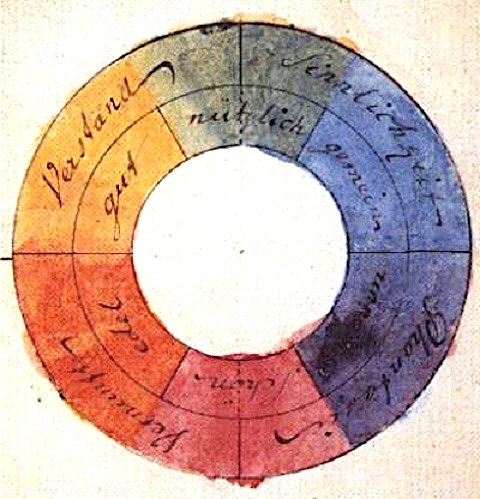
I doubt I need to list for you the many titles of the 18th century German savant and polymath Johann Wolfgang von Goethe, but allow me to add one or two that were new to me, at least: color theorist (or phenomenologist of color) and progenitor of abstract expressionism. As a fascinating
|
|
|
|
| |

|
What with the rise of Korean pop culture over the past decade or so — the virality of Psy’s “Gangnam Style,” BTS’ rise on the Billboard chart, Bong Joon-ho’s Academy Award for Parasite, and the worldwide Netflix phenomenon that was Squid Game — the Korean language is now avidly studied…
|
|
|
|
| |
|
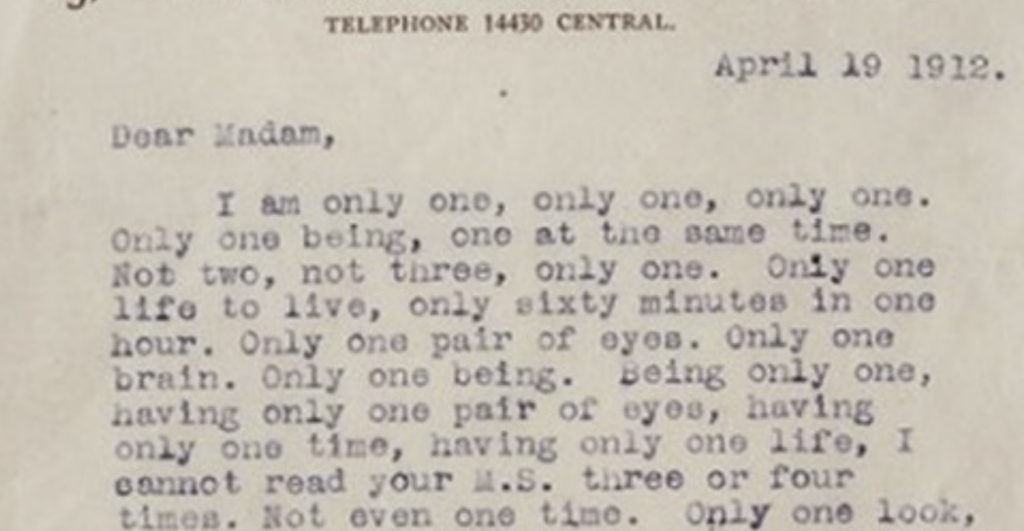
Gertrude Stein considered herself an experimental writer and wrote what The Poetry Foundation calls “dense poems and fictions, often devoid of plot or dialogue,” with the result being that “commercial publishers slighted her experimental writings and critics dismissed them as incomprehensible.” Take, for example, what happened when Stein sent a…
|
|
|
|