|
| |

|
David Lynch has a variety of notions about what it takes to make art, but suffering is not among them. “This is part of the myth, I think,” he said in one interview. “Van Gogh did suffer. He suffered a lot. But I think he didn’t suffer while he was painting.” That is, “he didn’t…
|
|
|
|
| |
|
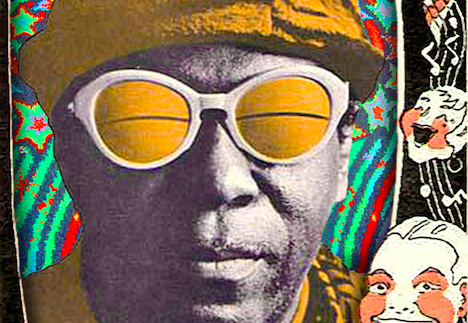
For some time now it has been fashionable to diagnose dead famous people with mental illnesses we never knew they had when they were alive. These postmortem clinical interventions can seem accurate or far-fetched, and mostly harmless—unless we let them color our appreciation of an artist’s work, or negatively influence the way we treat eccentric living personalities. Overall,…
|
|
|
|
| |

|
Depending on how you reckon it, the “American century” has already ended, is now drawing to its close, or has some life left in it yet. But whatever its boundaries, that ambiguous period has been culturally defined by one medium above all: film, or more broadly speaking, motion pictures. These very words might start a…
|
|
|
|
| |
|
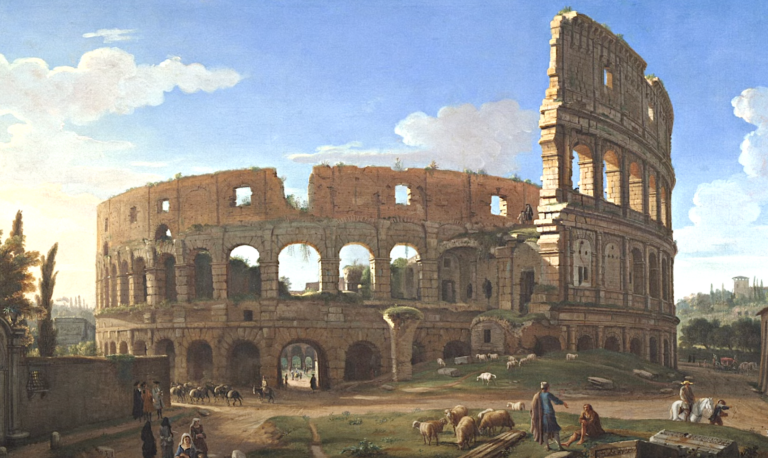
Pursued to any depth, the question of whether the United States of America counts as an empire becomes difficult to address with clarity. On one hand, the country has exerted a strong cultural influence on most of the world for the better part of a century, a phenomenon not unrelated to the military presence that…
|
|
|
|
| |
|
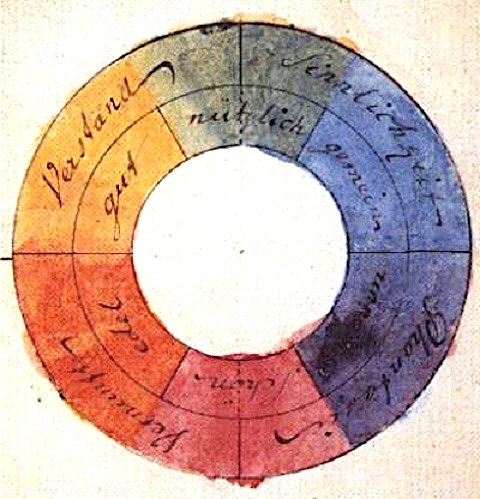
I doubt I need to list for you the many titles of the 18th century German savant and polymath Johann Wolfgang von Goethe, but allow me to add one or two that were new to me, at least: color theorist (or phenomenologist of color) and progenitor of abstract expressionism. As a fascinating
|
|
|
|