|
| |
|
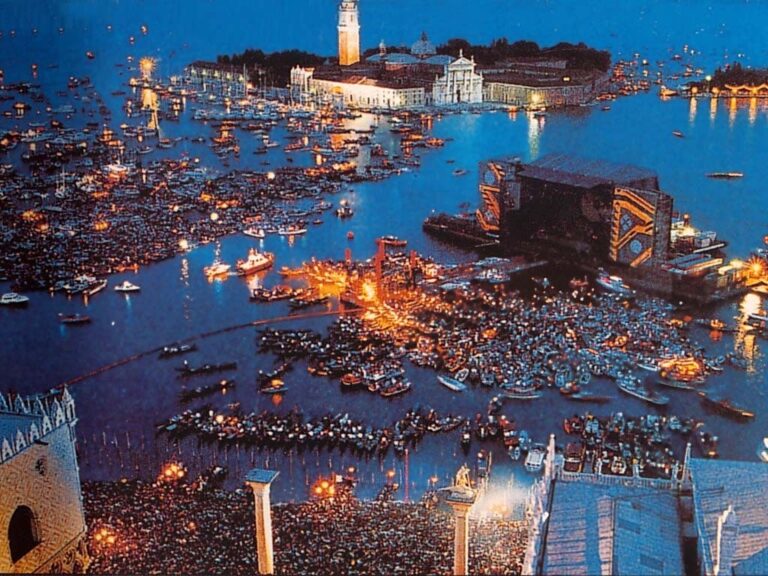
When Roger Waters left Pink Floyd after 1983’s The Final Cut, the remaining members had good reason to assume the band was truly, as Waters proclaimed, “a spent force.” After releasing solo projects in the next few years, David Gilmour, Nick Mason, and Richard Wright soon discovered they would never achieve as individuals what…
|
|
|
|
| |
|
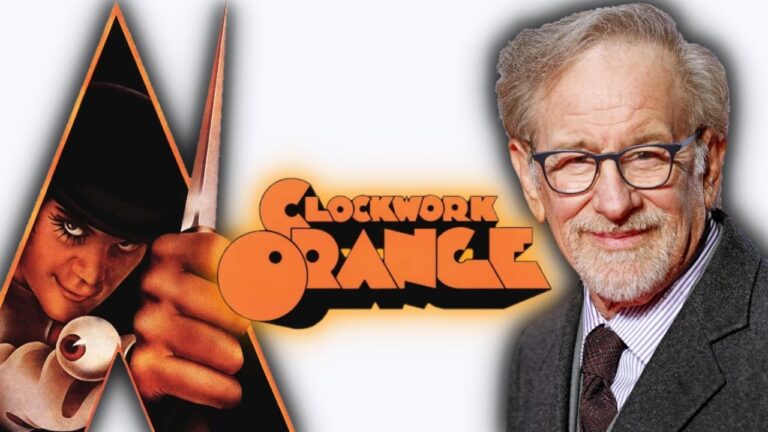
Steven Spielberg and Stanley Kubrick are two of the first directors whose names young cinephiles get to know. They’re also names between which quite a few of those young cinephiles draw a battle line: you may have enjoyed films by both of these auteurs, but ultimately, you’re going to have to side with one cinematic ethos…
|
|
|
|
| |

|
Flannery O’Connor was a Southern writer who, as Joyce Carol Oates once said, had less in common with Faulkner than with Kafka and Kierkegaard. Isolated by poor health and consumed by her fervent Catholic faith, O’Connor created works of moral fiction that, according to Oates, “were not refined New Yorker stories of the…
|
|
|
|
| |
|
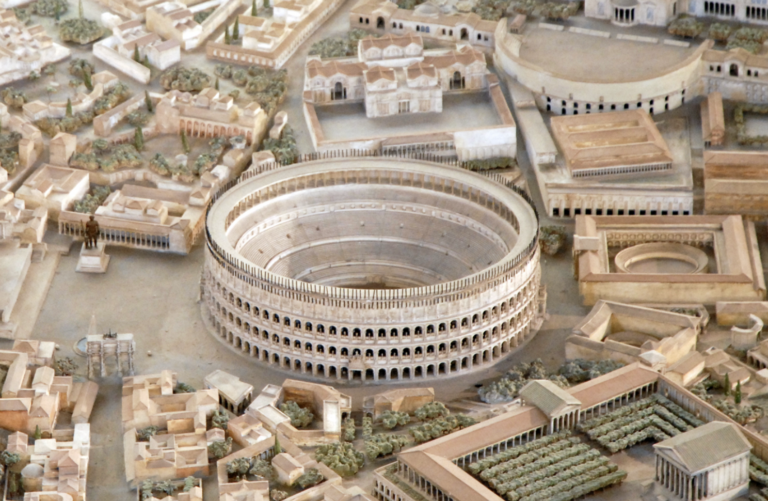
At the moment, you can’t see the largest, most detailed handmade model of Imperial Rome for yourself. That’s because the Museo della Civiltà Romana, the institution that houses it, has been closed for renovations since 2014. But you can get a guided tour of “Il Plastico,” as this grand Rome-in-miniature is known, through
|
|
|
|
| |
|
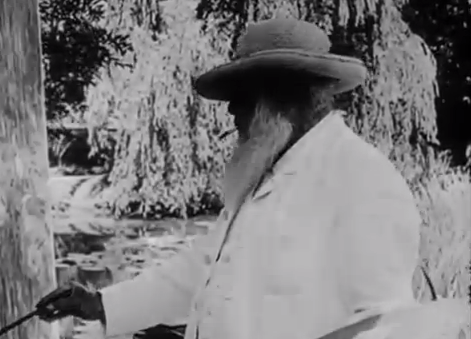
Claude Monet, 1915:
We’ve all seen their works in fixed form, enshrined in museums and printed in books. But there’s something special about watching a great artist at work. Over the years, we’ve posted film clips of some of the greatest artists of the 20th century caught in the act of creation. Today we’ve…
|
|
|
|