|
| |
|
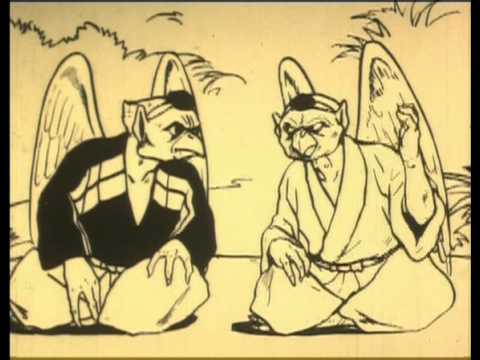
Japanese animation, AKA anime, might be filled with large-eyed maidens, way cool robots, and large-eyed, way cool maiden/robot hybrids, but it often shows a level of daring, complexity and creativity not typically found in American mainstream animation. And the form has spawned some clear masterpieces from Katsuhiro Otomo’s Akira to Mamoru Oishii’s Ghost…
|
|
|
|
| |

|
One of the many memorable details in Stanley Kubrick’s Dr. Strangelove or: How I Learned to Stop Worrying and Love the Bomb, placed prominently in a shot of George C. Scott in the war room, is a binder with a spine labeled “WORLD TARGETS IN MEGADEATHS.” A megadeath, writes Eric Schlosser in a New Yorker piece on…
|
|
|
|
| |
|
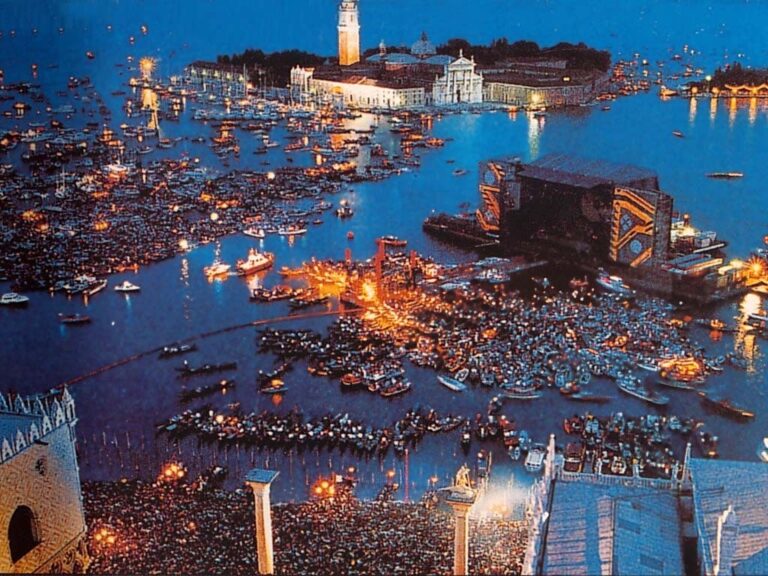
When Roger Waters left Pink Floyd after 1983’s The Final Cut, the remaining members had good reason to assume the band was truly, as Waters proclaimed, “a spent force.” After releasing solo projects in the next few years, David Gilmour, Nick Mason, and Richard Wright soon discovered they would never achieve as individuals what…
|
|
|
|
| |

|
Being Frank Lloyd Wright’s son surely came with its downsides. But one of the upsides — assuming you could stay in the mercurial master’s good graces — was the possibility of his designing a house for you. Such was the fortune of his fourth child David Samuel Wright, a Phoenix building-products representative well into middle…
|
|
|
|
| |
|
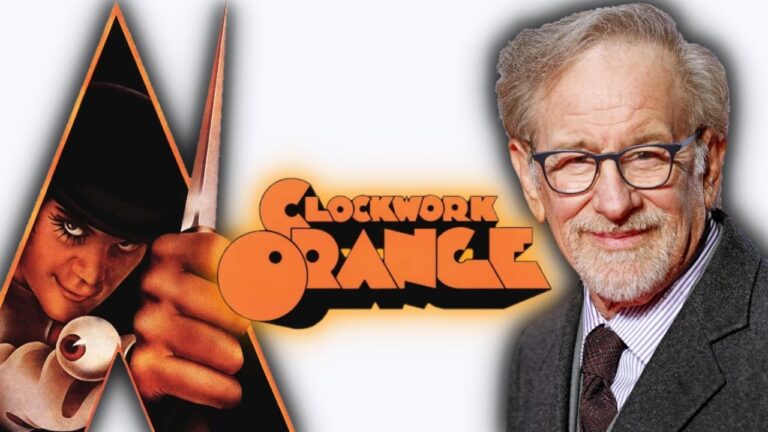
Steven Spielberg and Stanley Kubrick are two of the first directors whose names young cinephiles get to know. They’re also names between which quite a few of those young cinephiles draw a battle line: you may have enjoyed films by both of these auteurs, but ultimately, you’re going to have to side with one cinematic ethos…
|
|
|
|