|
William Faulkner’s Review of Hemingway’s The Old Man and the Sea (1952), What the World Will Look Like in 250 Million Years: Mapping the Distant Future ͏ ͏ ͏ ͏ ͏ ͏ ͏ ͏ ͏ ͏ ͏ ͏ ͏ ͏ ͏ ͏ ͏ ͏ ͏ ͏ ͏ ͏ ͏ ͏ ͏ ͏ ͏ ͏ ͏ ͏ ͏ ͏ ͏ ͏ ͏ ͏ ͏ ͏ ͏ ͏ ͏ ͏ ͏ ͏ ͏
|
| |

|
The Lord said to Noah, there’s going to be a floody, floody; then to get those children out of the muddy, muddy; then to build him an arky, arky. This much we heard while toasting marshmallows around the campfire, at least if we grew up in a certain modern Protestant tradition. As adults, we may…
|
|
|
|
| |
|
Images via Wikimedia Commons
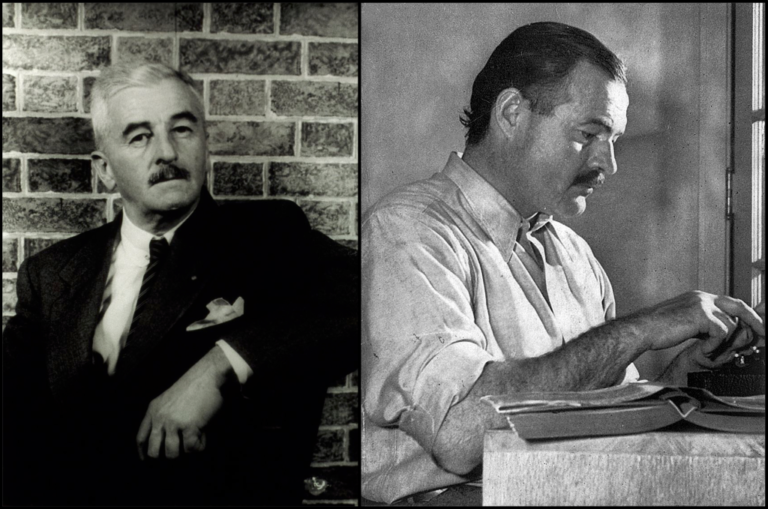
In the mid-20th century, the two big dogs in the American literary scene were William Faulkner and Ernest Hemingway. Both were internationally revered, both were masters of the novel and the short story, and both won Nobel Prizes.
Born in Mississippi, Faulkner wrote allegorical…
|
|
|
|
| |
|
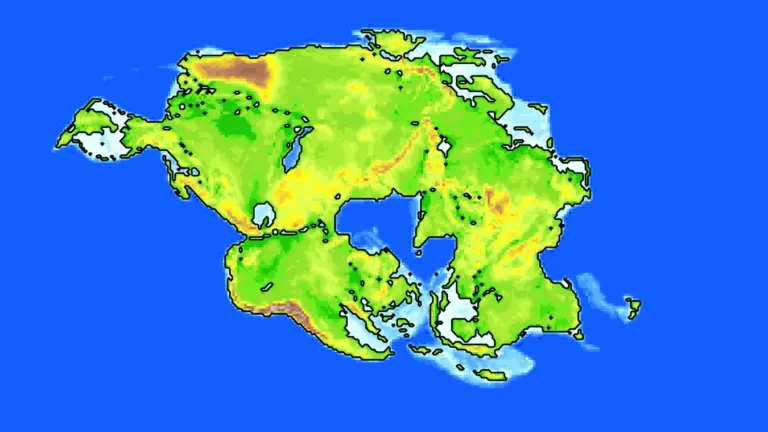
Most of us now accept the idea that all of Earth’s continents were once part of a single, enormous land mass. That wasn’t the case in the early nineteen-tens, when the geologist Alfred Wegener (1880–1930) first publicized his theory of not just the supercontinent Pangea, but also of the phenomenon of continental drift…
|
|
|
|
| |

|
When most Americans think of the Smoot-Hawley Tariffs, they think of economic disaster. But if you ask why, most Americans may need a short refresher course. Below, you will find just that. Appearing on Derek Thompson’s Plain History podcast, Douglas Irwin (an economist and historian at Dartmouth) revisits the 1930 Smoot-Hawley Tariff Act,…
|
|
|
|
| |
|
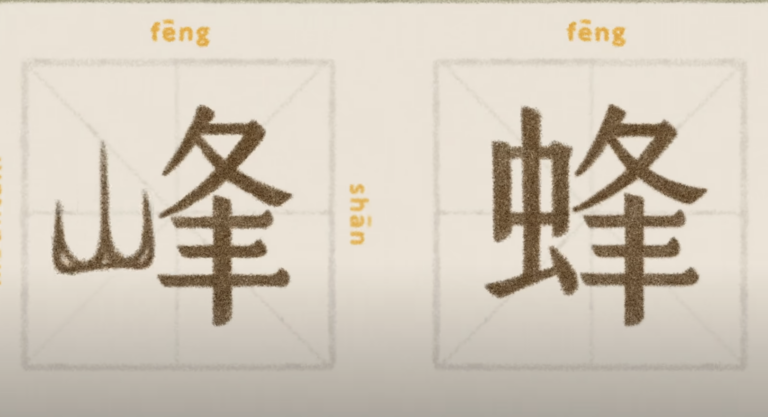
Contrary to somewhat popular belief, Chinese characters aren’t just little pictures. In fact, most of them aren’t pictures at all. The very oldest, whose evolution can be traced back to the “oracle bone” script of thirteenth century BC etched directly onto the remains of turtles and oxen, do bear traces of their pictograph ancestors. But…
|
|
|
|