|
George Orwell’s Rules for Making the Perfect Cup of Tea: A Short Animation, A Japanese Zen Monk Explains What Zen Is Really About ͏ ͏ ͏ ͏ ͏ ͏ ͏ ͏ ͏ ͏ ͏ ͏ ͏ ͏ ͏ ͏ ͏ ͏ ͏ ͏ ͏ ͏ ͏ ͏ ͏ ͏ ͏ ͏ ͏ ͏ ͏ ͏ ͏ ͏ ͏ ͏ ͏ ͏ ͏ ͏ ͏ ͏ ͏ ͏ ͏ ͏ ͏ ͏ ͏ ͏ ͏ ͏ ͏ ͏ ͏ ͏ ͏ ͏ ͏ ͏ ͏ ͏ ͏ ͏ ͏ ͏ ͏ ͏ ͏
|
| |
|
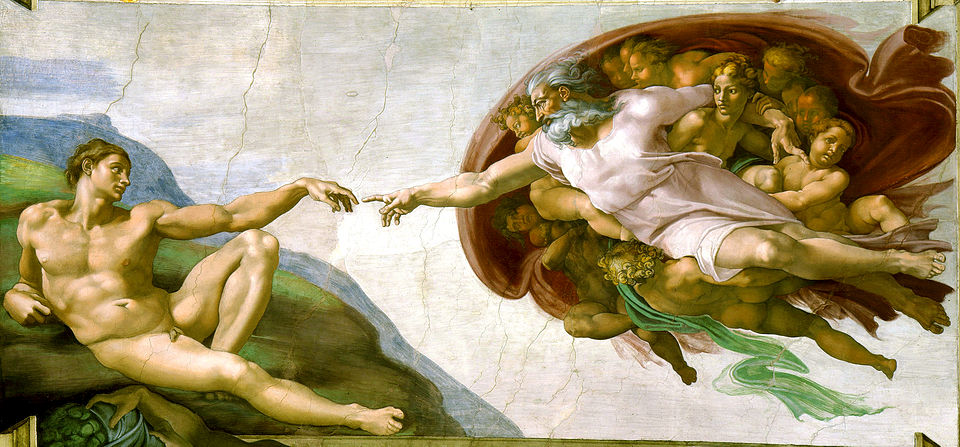
Today, 133 cardinals from around the world enter the conclave to determine the next pope, during which they’ll cast their votes in the Sistine Chapel. Despite being one of the most famous tourist attractions in Europe, the Sistine Chapel still serves as a venue for such important official functions, just as it has since…
|
|
|
|
| |
|
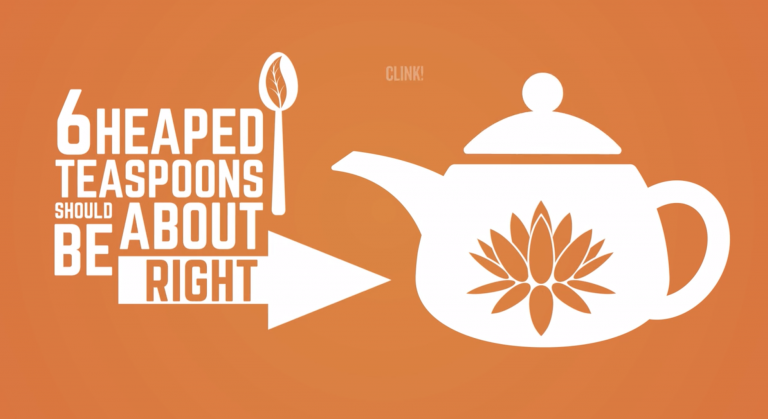
Several years back, Colin Marshall highlighted George Orwell’s essay, “A Nice Cup of Tea,” which first ran in the Evening Standard on January 12, 1946. In that article, Orwell weighed in on a subject the English take seriously–how to make the perfect cup of tea. (According to Orwell, “tea is one of the mainstays of…
|
|
|
|
| |
|
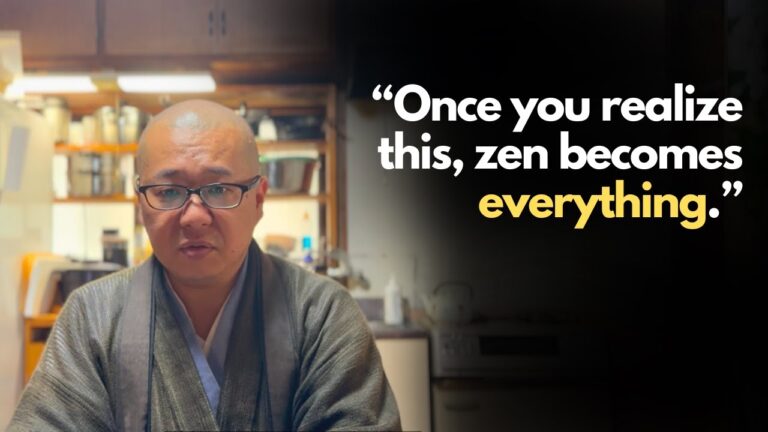
Despite developing in Asia, as the Chinese form of a religion originally brought over from India and later refined in Japan, Zen Buddhism has long appealed to Westerners as well. Some of that owes to the spare, elegant aesthetics with which popular culture associates it, and more to the promise it holds out: freedom…
|
|
|
|
| |
|
Who wants to be a billionaire?
A few years ago, Forbes published author Roberta Chinsky Matuson’s sensible advice to businesspeople seeking to shoot up that golden ladder. These lawful tips espoused such familiar virtues as hard work and community involvement, and as such, were easily adaptable to the rabble—artists, teachers, anyone…
|
|
|
|