|
How a Papal Conclave Works, and Who Might Be the Next Pope, Take a 3D Virtual Tour of the Sistine Chapel & Explore Michelangelo’s Masterpieces Up Close ͏ ͏ ͏ ͏ ͏ ͏ ͏ ͏ ͏ ͏ ͏ ͏ ͏ ͏ ͏ ͏ ͏ ͏ ͏ ͏ ͏ ͏ ͏ ͏ ͏ ͏ ͏ ͏ ͏ ͏ ͏ ͏ ͏ ͏ ͏ ͏ ͏ ͏ ͏ ͏ ͏ ͏ ͏
|
| |
|
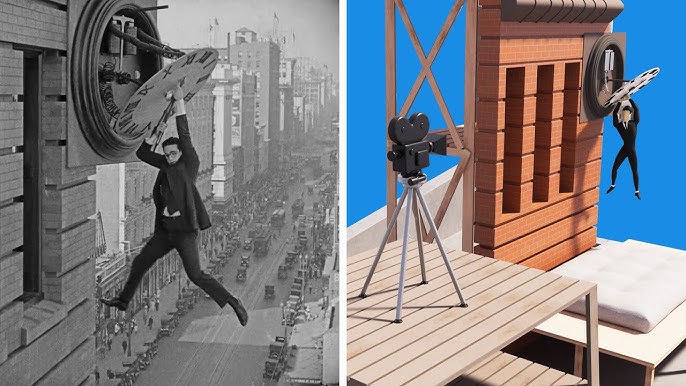
It can be tempting to view the box office’s domination by visual-effects-laden Hollywood spectacle as a recent phenomenon. And indeed, there have been periods during which that wasn’t the case: the “New Hollywood” that began in the late nineteen sixties, for instance, when the old studio system handed the reins to inventive young guns like…
|
|
|
|
| |
|
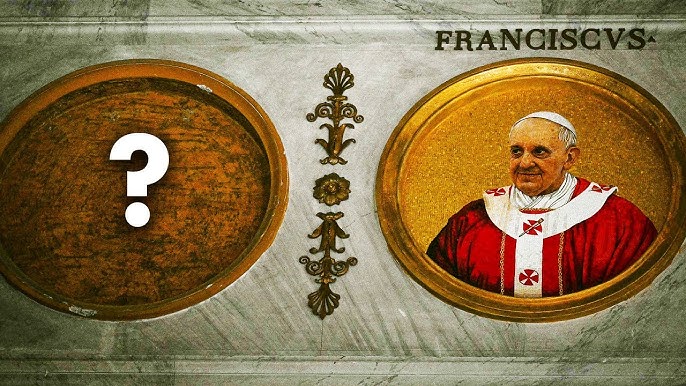
On Tuesday, the cardinals locked themselves into the Sistine Chapel, officially beginning the conclave to elect the 267th pope. First formalized by Pope Gregory X in 1274, the conclave (a word derived from the Latin words cum clave, meaning “with a key”) follows a highly scripted process honed over the past 800 years.…
|
|
|
|
| |
|
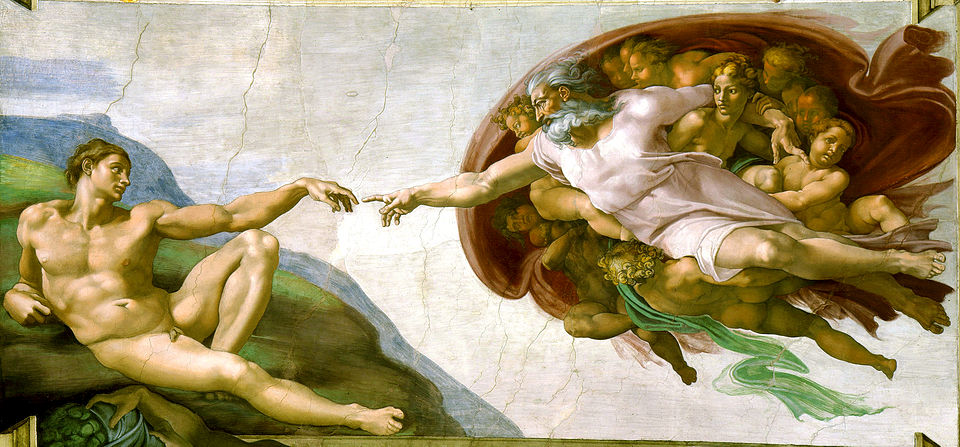
Today, 133 cardinals from around the world enter the conclave to determine the next pope, during which they’ll cast their votes in the Sistine Chapel. Despite being one of the most famous tourist attractions in Europe, the Sistine Chapel still serves as a venue for such important official functions, just as it has since…
|
|
|
|
| |
|
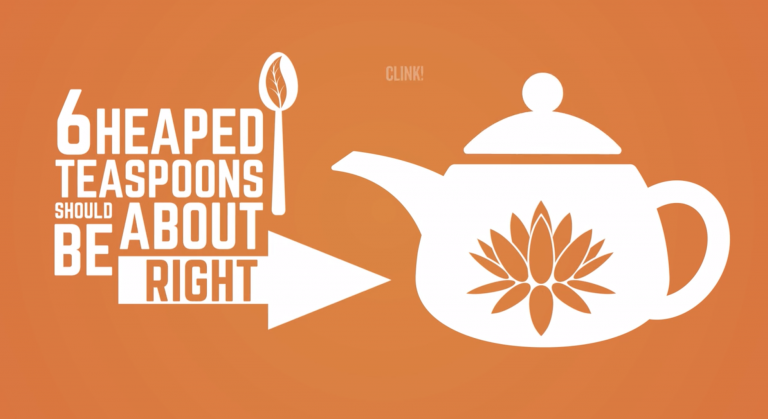
Several years back, Colin Marshall highlighted George Orwell’s essay, “A Nice Cup of Tea,” which first ran in the Evening Standard on January 12, 1946. In that article, Orwell weighed in on a subject the English take seriously–how to make the perfect cup of tea. (According to Orwell, “tea is one of the mainstays of…
|
|
|
|
| |
|
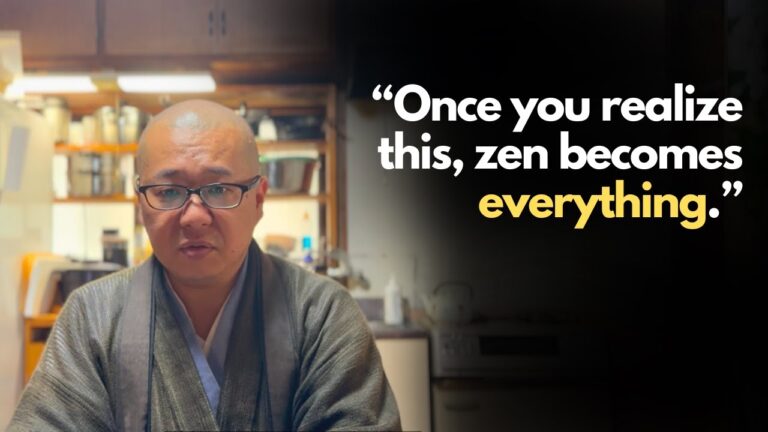
Despite developing in Asia, as the Chinese form of a religion originally brought over from India and later refined in Japan, Zen Buddhism has long appealed to Westerners as well. Some of that owes to the spare, elegant aesthetics with which popular culture associates it, and more to the promise it holds out: freedom…
|
|
|
|