|
Leonardo da Vinci’s Elegant Design for a Perpetual Motion Machine, Ridley Scott’s Cinematic TV Commercials: An 80-Minute Compilation Spanning 1968–2023 ͏ ͏ ͏ ͏ ͏ ͏ ͏ ͏ ͏ ͏ ͏ ͏ ͏ ͏ ͏ ͏ ͏ ͏ ͏ ͏ ͏ ͏ ͏ ͏ ͏ ͏ ͏ ͏ ͏ ͏ ͏ ͏ ͏ ͏ ͏ ͏ ͏ ͏ ͏ ͏ ͏ ͏ ͏
|
| |
|
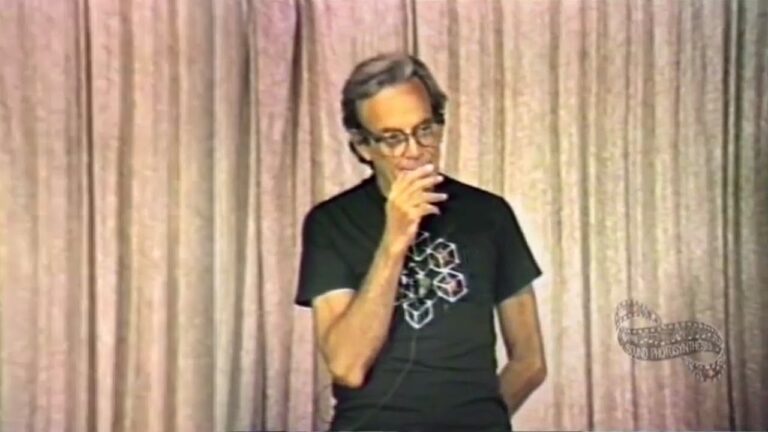
Though its answer has grown more complicated in recent years, the question of whether computers will ever truly think has been around for quite some time. Richard Feynman was being asked about it 40 years ago, as evidenced by the lecture clip above. As his fans would expect, he approaches the matter of…
|
|
|
|
| |
|
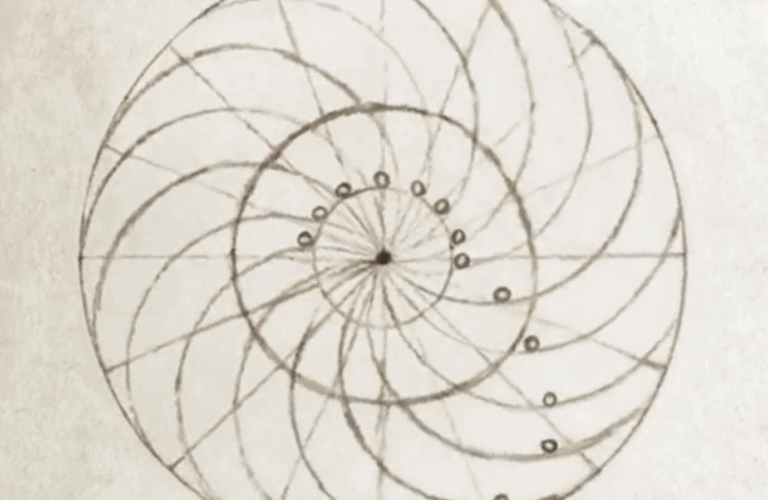
Is perpetual motion possible? In theory… I have no idea…. In practice, so far at least, the answer has been a perpetual no. As Nicholas Barrial writes at Makery, “in order to succeed,” a perpetual motion machine “should be free of friction, run in a vacuum chamber and be totally silent” since…
|
|
|
|
| |
|
“In the future, e‑mail will make the written word a thing of the past,” declares the narration of a 1999 television commercial for Orange, the French telecom giant. “In the future, we won’t have to travel; we’ll meet on video. In the future, we won’t need to play in the wind and rain; computer games…
|
|
|
|
| |
|
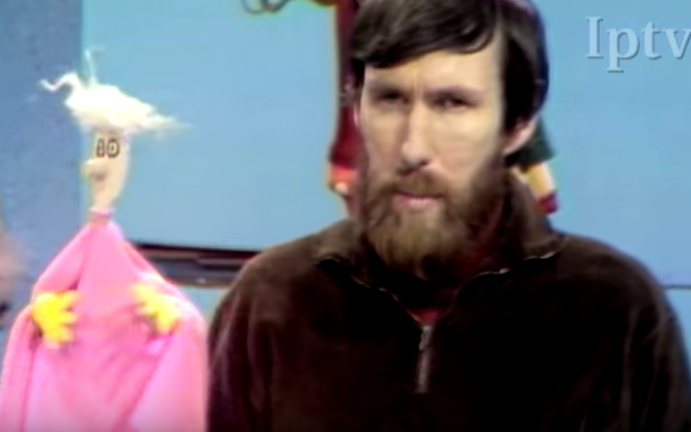
By the time he filmed this video archived on Iowa Public Television’s YouTube channel, Jim Henson was just about to strike gold with a new children’s show called Sesame Street. The year was 1969, and he already had 15 years of puppetry experience under his belt, from children’s shows to commercials and experimental films.…
|
|
|
|
| |
|
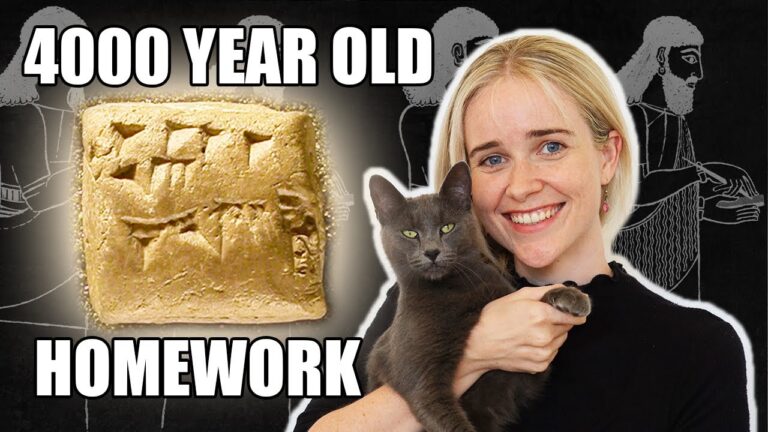
Homework has lately become unfashionable, at least according to what I’ve heard from teachers in certain parts of the United States. That may complicate various fairly long-standing educational practices, but it doesn’t necessarily reflect an absolute drop in standards and expectations. Those of us who went to school around the turn of the millennium may…
|
|
|
|