|
Watch Animated Sheet Music for Miles Davis’ “So What,” Coltrane’s “Giant Steps,” and Charlie Parker’s “Confirmation”, J. R. R. Tolkien Reads from The Hobbit, The Lord of the Rings & Other Works
|
| |
|
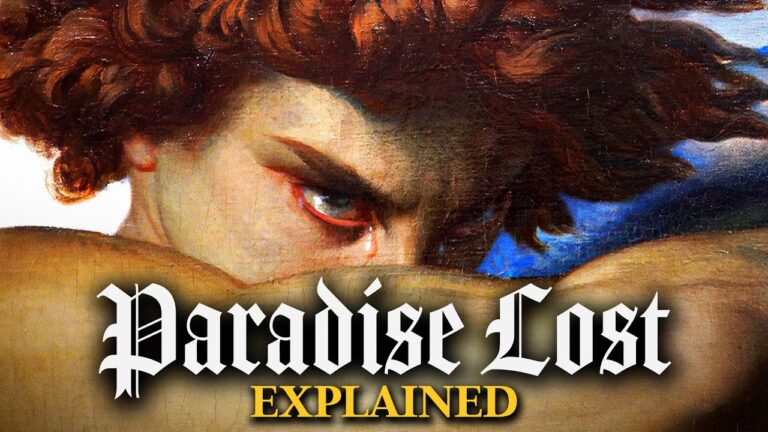
“Paradise Lost is one of the books which the reader admires and lays down, and forgets to take up again,” Samuel Johnson wrote in the late eighteenth century. “None ever wished it longer than it is. Its perusal is a duty rather than a pleasure. We read Milton for instruction, retire harassed and overburdened, and…
|
|
|
|
| |
|
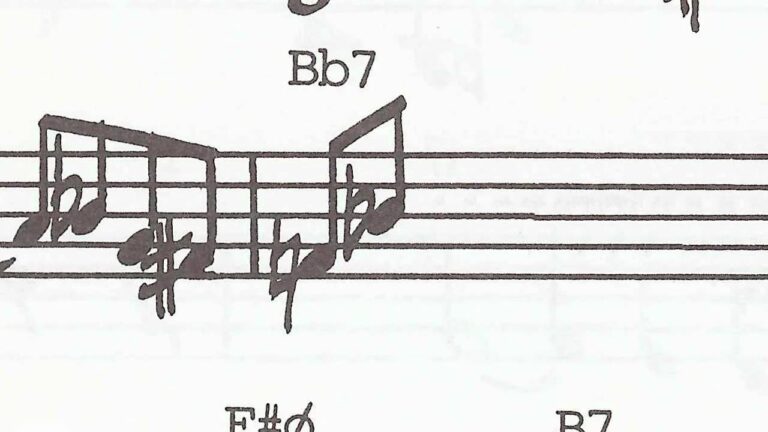
Miles Davis’ Kind of Blue changed jazz. It changed music, period. So I take it very seriously. But when I see the animated sheet music of the first cut, “So What,” I can’t help but think of Charles Schulz’s Peanuts cartoons, and their Vince Guaraldi compositions. I mean no offense to Miles. His…
|
|
|
|
| |
|
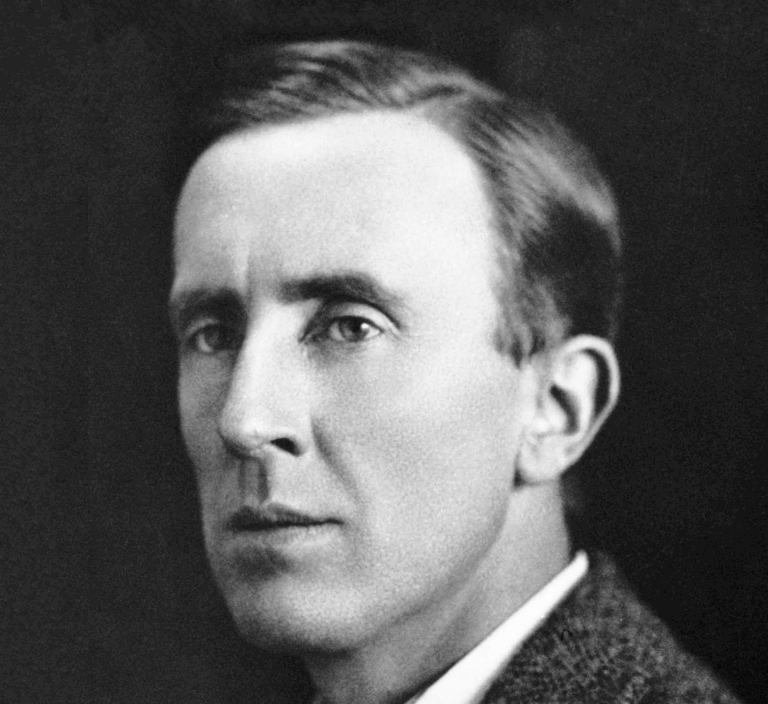
If you wanted to hear the voice of your favorite writer in the nineteen-sixties — a time before audiobooks, let alone podcasts — you consulted the catalog of Caedmon Records. That label specialized in LPs of literary eminences reading their own work. This may or may not be the kind of company in which…
|
|
|
|
| |

|
It’s common to hear it said that some particular city — usually one of the American metropolises that sprang into existence over the past couple of centuries — “shouldn’t exist.” And indeed, as urban planner M. Nolan Gray writes in a recent blog post, “no city should exist.” On the scale of human history,…
|
|
|
|
| |
|
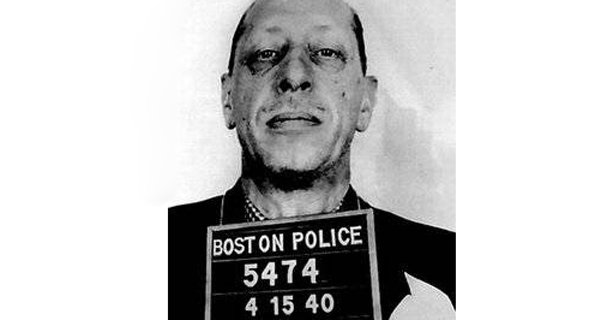
In 1939, Igor Stravinsky emigrated to the United States, first arriving in New York City, before settling in Cambridge, Massachusetts, where he delivered the Charles Eliot Norton lectures at Harvard during the 1939–40 academic year. While living in Boston, the composer conducted the Boston Symphony and, on one famous occasion, he decided to…
|
|
|
|