|
How Ancient Greek Technology Was Used to Sculpt Mount Rushmore, Why Ancient Romans Paid a Fortune for the Color Purple — More Than Even Silver ͏ ͏ ͏ ͏ ͏ ͏ ͏ ͏ ͏ ͏ ͏ ͏ ͏ ͏ ͏ ͏ ͏ ͏ ͏ ͏ ͏ ͏ ͏ ͏ ͏ ͏ ͏ ͏ ͏ ͏ ͏ ͏ ͏ ͏ ͏ ͏ ͏ ͏ ͏ ͏ ͏ ͏ ͏ ͏ ͏ ͏ ͏ ͏ ͏ ͏ ͏ ͏ ͏ ͏ ͏ ͏
|
| |

|
A too-precious genre of internet meme depicts departed public figures who did not know each other in life meeting in heaven with hugs, high-fives, and wincingly earnest exchanges. These sentimental vignettes are almost too easy to parody, a kitschy version of the “what if” game, as in: what if two creative geniuses could collaborate in…
|
|
|
|
| |

|
Designing their new republic, the Founding Fathers of the United States of America looked back to reference points in classical antiquity. That instinct continued to shape American endeavors long thereafter, and not just political ones. Take the example of Mount Rushmore, one of the country’s most popular tourist attractions. Originally conceived in the early nineteen-twenties…
|
|
|
|
| |
|
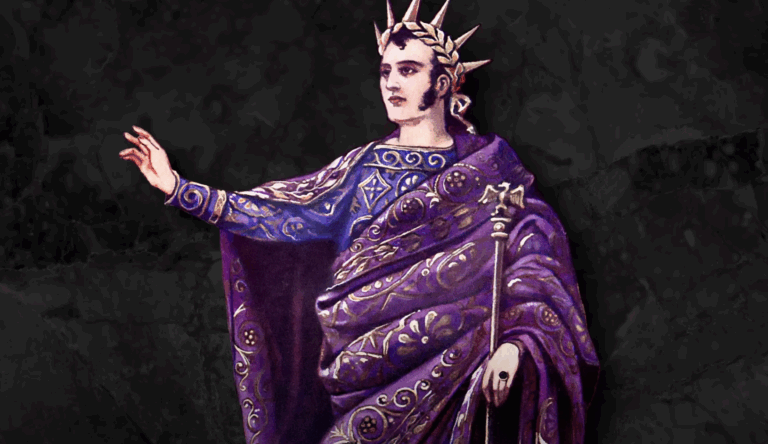
Purple may not be one of the most popular colors in the apparel of our age, but if you want it — as certain cultural figures have amply demonstrated — you can get as much of it as you like, even if you don’t belong to the aristocracy. That wasn’t the case in antiquity,…
|
|
|
|
| |

|
At a 1998 conference on technology and life, The Hitchhiker’s Guide to the Galaxy author Douglas Adams once proposed the notion of a sentient puddle. Imagine it “waking up one morning and thinking, ‘This is an interesting world I find myself in — an interesting hole I find myself in — fits me rather neatly,…
|
|
|
|