|
Did Paul McCartney Really Die in 1966? How the Biggest Beatles Conspiracy Theory Spread, The Ancient Roman Dodecahedron: The Mysterious Object That Has Baffled Archaeologists for Centuries ͏ ͏ ͏ ͏ ͏ ͏ ͏ ͏ ͏ ͏ ͏ ͏
|
| |
|
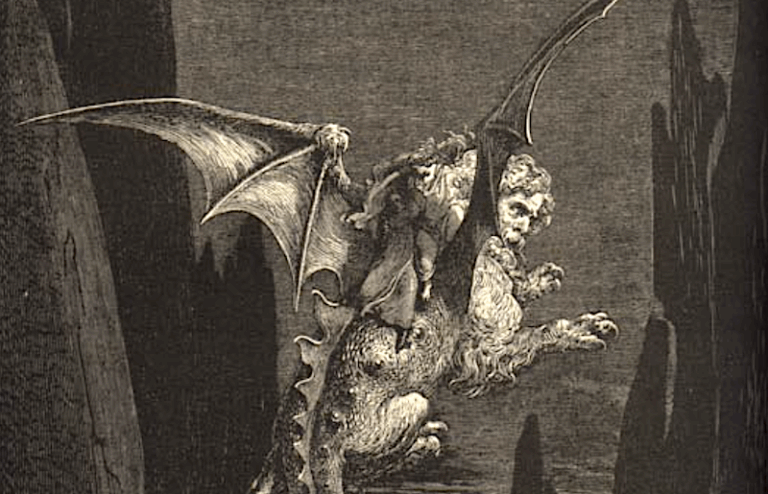
Inferno, Canto X:
Many artists have attempted to illustrate Dante Alighieri’s epic poem the Divine Comedy, but none have made such an indelible stamp on our collective imagination as the Frenchman Gustave Doré.
Doré was 23 years old in 1855, when he first decided to create a series of…
|
|
|
|
| |
|
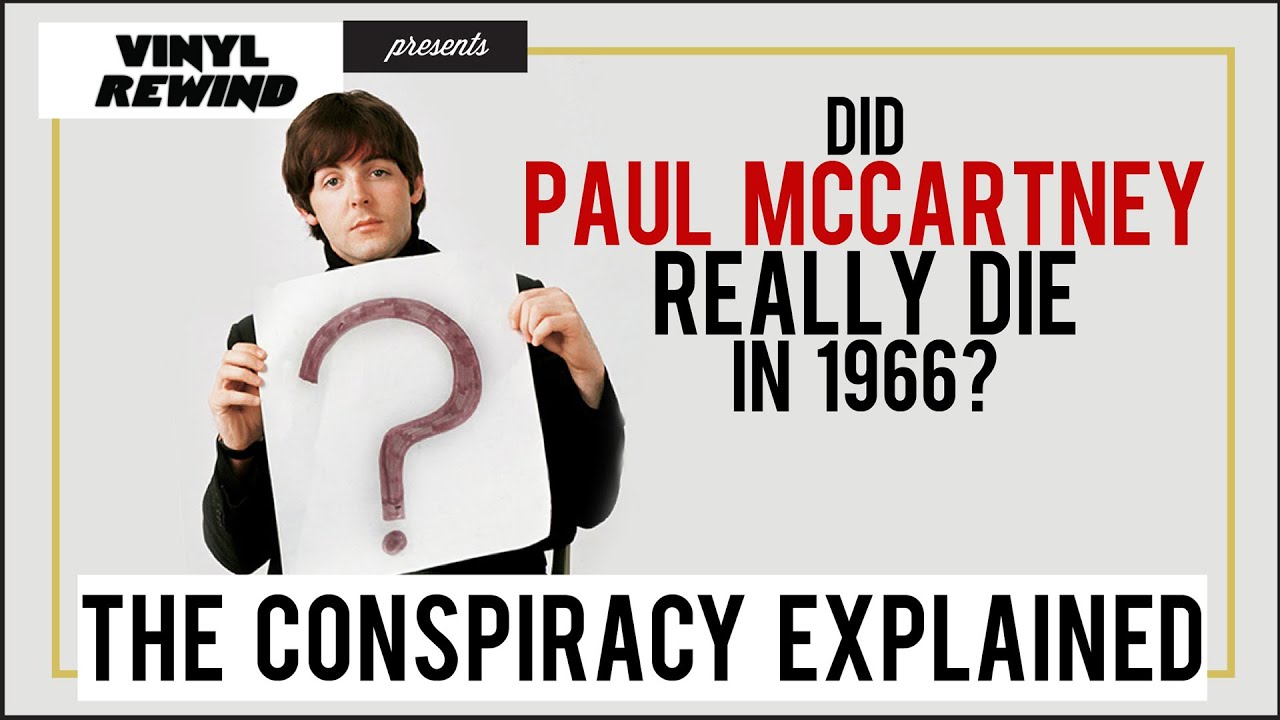
No pop music can have inspired more scrutiny than that of the Beatles. Of course, intense and sustained attention has been paid to every aspect of the band’s existence — and, in the case of Paul McCartney, his purported non-existence as well. The theory that he actually died in the nineteen-sixties and was thereafter secretly played by a double has demonstrated such pop-cultural staying power that even those who barely know the Beatles’ music make reference to it. The phrase “Turn me on, dead man” now floats free of its origin, an act of creative listening applied to “Revolution 9” played backwards.
The idea, as explained in the Vinyl Rewind video above, is that “after an argument during a Beatles recording session on November 9th, 1966, Paul McCartney sped off in his car, only to be decapitated in an auto accident when he lost control of his vehicle. The U.K. security service MI5 advised the band to find a replacement, for they feared that if the news of Paul’s death got out, mass hysteria would spread among Beatles fans, […]
|
|
|
|
| |
|
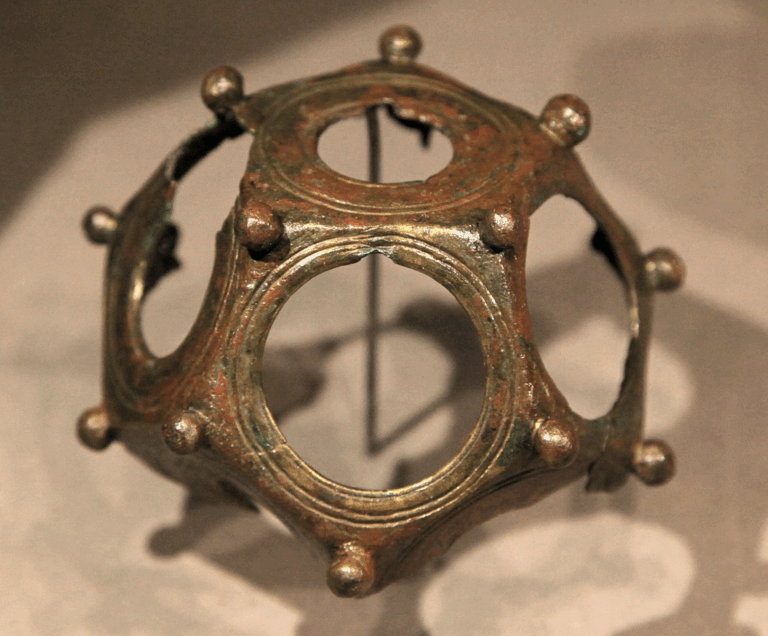
There isn’t much place for dodecahedra in modern life, at least in those modern lives with tabletop role-playing. In the ancient Roman Empire, however, those shapes seem to have been practically household objects — not that we know what the household would have done with them. Thus far, well over 100 similarly designed copper-alloy…
|
|
|
|
| |
|
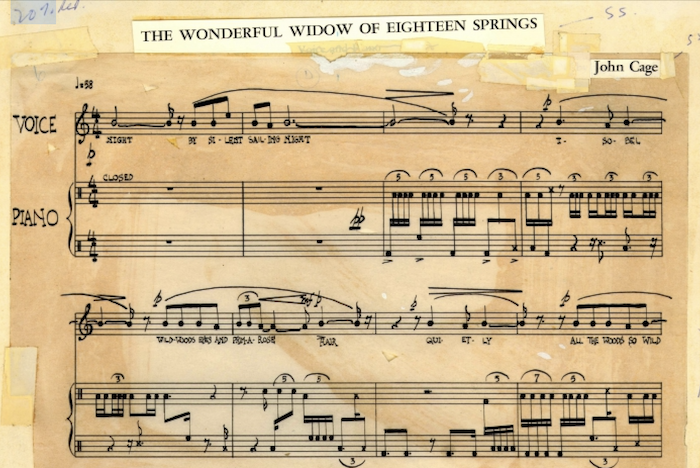
In 1942, John Cage composed a short piece of music adapted from the text of James Joyce’s Finnegans Wake. Titled “The Wonderful Widow of Eighteen Springs,” the piece was originally commissioned and performed by amateur soprano and socialite Justine Fairbank, and while we don’t have a recording of her performance, we do…
|
|
|
|
| |
|
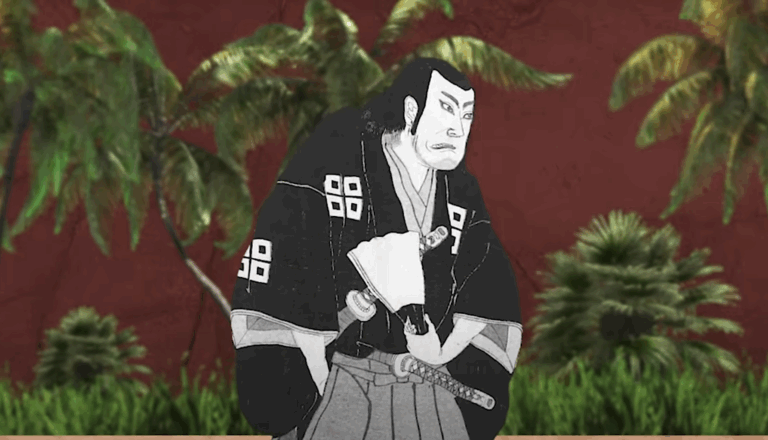
Browse the ever-vaster selection of self-help books, videos, podcasts, and social-media accounts on offer today, and you’ll find no shortage of prescriptions for how to live. Much of what the gurus of the twenty-twenties have to say sounds awfully similar, and almost as much may seem contradictory. As in so many fields of human endeavor,…
|
|
|
|