|
The Origins of Satan: The Evolution of the Devil in Religion, Gustave Doré’s Haunting Illustrations of Dante’s Divine Comedy ͏ ͏ ͏ ͏ ͏ ͏ ͏ ͏ ͏ ͏ ͏ ͏ ͏ ͏ ͏ ͏ ͏ ͏ ͏ ͏ ͏ ͏ ͏ ͏ ͏ ͏ ͏ ͏ ͏ ͏ ͏ ͏ ͏ ͏ ͏ ͏ ͏ ͏ ͏ ͏ ͏ ͏ ͏ ͏ ͏ ͏ ͏ ͏ ͏ ͏ ͏ ͏ ͏ ͏ ͏ ͏ ͏ ͏ ͏ ͏ ͏ ͏ ͏ ͏ ͏ ͏ ͏ ͏ ͏ ͏ ͏
|
| |
|
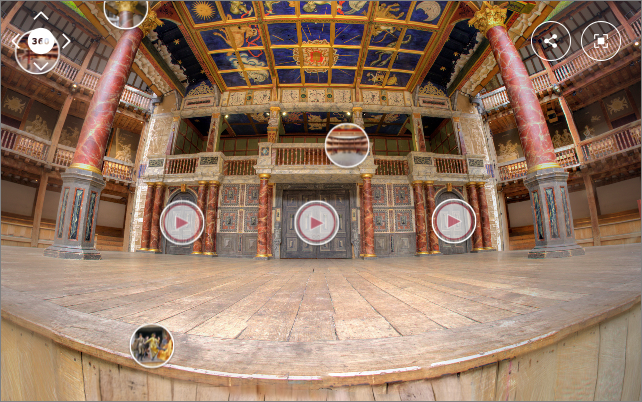
The story of the Globe Theatre, the ancestral home of Shakespeare’s plays, is itself very Shakespearean, in all of the ways we use that adjective: it has deep roots in English history, a tragic backstory, and represents all of the hodgepodge of London, in the early 17th century and today, with the city’s…
|
|
|
|
| |
|
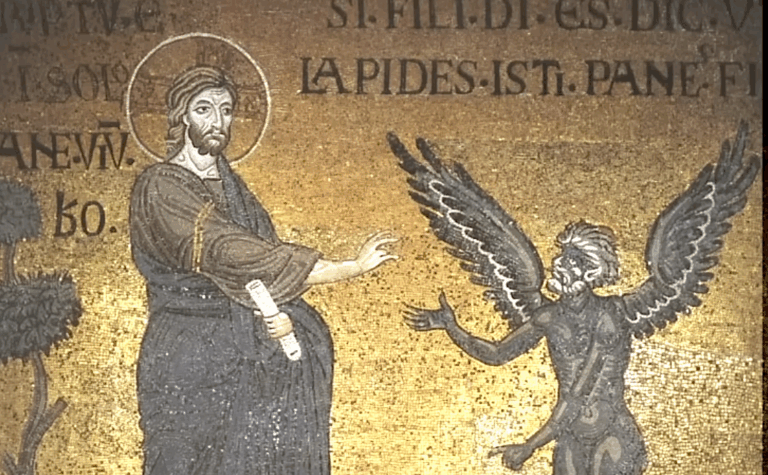
The Devil, the Beast, Beelzebub, Lucifer, Satan: whichever name we happen to call him, we know full well who the guy is — or at least, we think we do. In fact, the images and evocations of that embodiment of (or perhaps metaphor for) sin, deceit, and temptation that many of us have encountered in…
|
|
|
|
| |
|
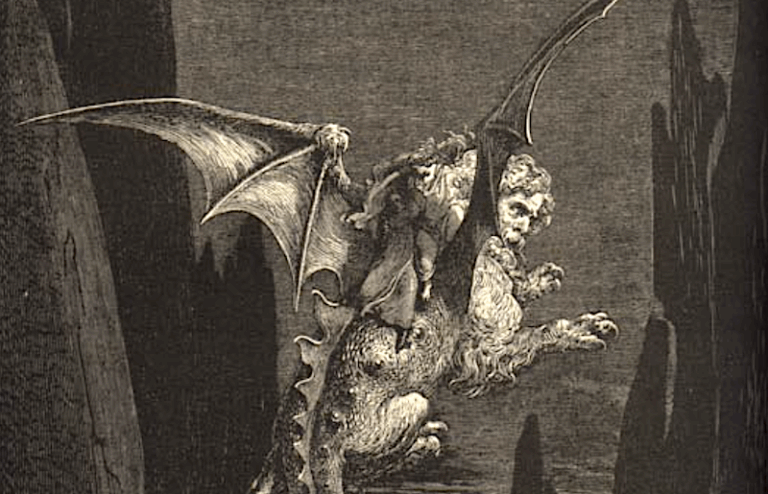
Inferno, Canto X:
Many artists have attempted to illustrate Dante Alighieri’s epic poem the Divine Comedy, but none have made such an indelible stamp on our collective imagination as the Frenchman Gustave Doré.
Doré was 23 years old in 1855, when he first decided to create a series of…
|
|
|
|
| |

|
No pop music can have inspired more scrutiny than that of the Beatles. Of course, intense and sustained attention has been paid to every aspect of the band’s existence — and, in the case of Paul McCartney, his purported non-existence as well. The theory that he actually died in the nineteen-sixties and was thereafter secretly…
|
|
|
|
| |
|
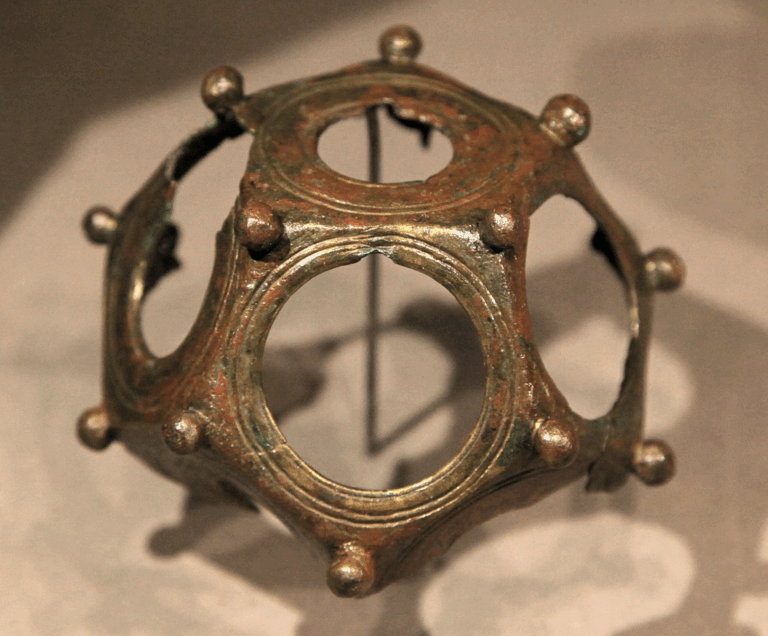
There isn’t much place for dodecahedra in modern life, at least in those modern lives with tabletop role-playing. In the ancient Roman Empire, however, those shapes seem to have been practically household objects — not that we know what the household would have done with them. Thus far, well over 100 similarly designed copper-alloy…
|
|
|
|