|
Discover the 100-Year-Old Self-Playing Violin, One of the Most Complex Music Players Ever Made, What an 85-Year-Long Harvard Study Says Is the Real Key to Happiness ͏ ͏ ͏ ͏ ͏ ͏ ͏ ͏ ͏ ͏ ͏ ͏ ͏ ͏ ͏ ͏ ͏ ͏ ͏ ͏ ͏ ͏ ͏ ͏ ͏ ͏ ͏ ͏ ͏ ͏ ͏ ͏ ͏ ͏ ͏ ͏
|
| |

|
Ancient Rome never had an industrial revolution. Granted, certain historians have objected now and again to that once-settled claim, gesturing toward large heaps of pottery discovered in garbage dumps and other such artifacts clearly produced in large numbers. Still, the fact remains that Ancient Rome never had an industrial revolution of the kind that fired…
|
|
|
|
| |
|
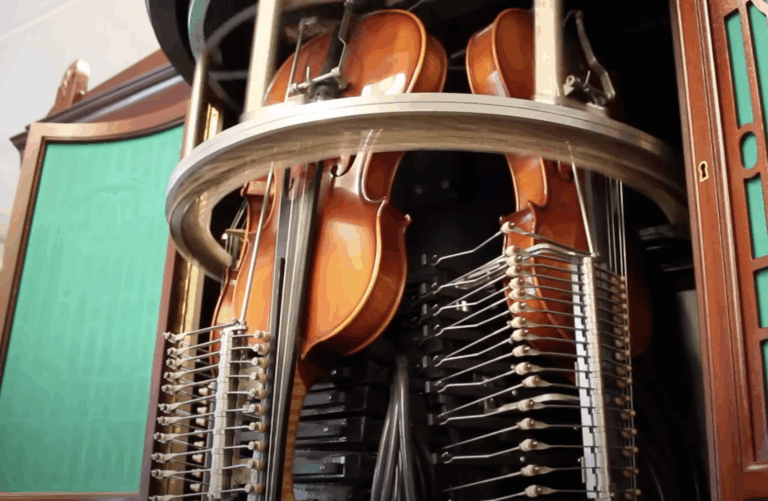
At the 1910 World’s Exhibition in Brussels, Ludwig Hupfeld unveiled the Phonoliszt-Violina, an instrument once dubbed “the eighth wonder of the world.” A leading maker of automated instruments in Germany, Hupfeld built a company that produced everything from phonola push-up players to player pianos. In 1907 he created his most famous invention,…
|
|
|
|
| |

|
We’ve long used the French word milieu in English, but not with quite the same range of meanings it has back in France. For example, French society (and especially the members of its older generations) explicitly recognizes the value of a milieu in the sense of the collected friends, acquaintances, and relations with whom one has…
|
|
|
|
| |
|
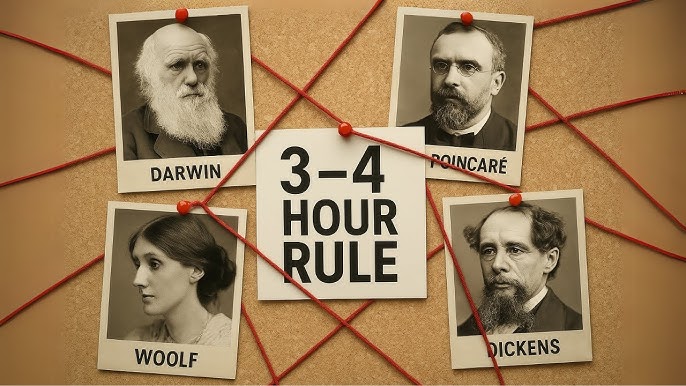
These days, we hear much said on social media — surely too much — in favor of the “hustle culture” and the “grind mindset” (or, abbreviated for maximum efficiency, the “grindset”). Dedication to your work is to be admired, provided that the work itself is of value, but the more of a day’s hours you…
|
|
|
|
| |
|
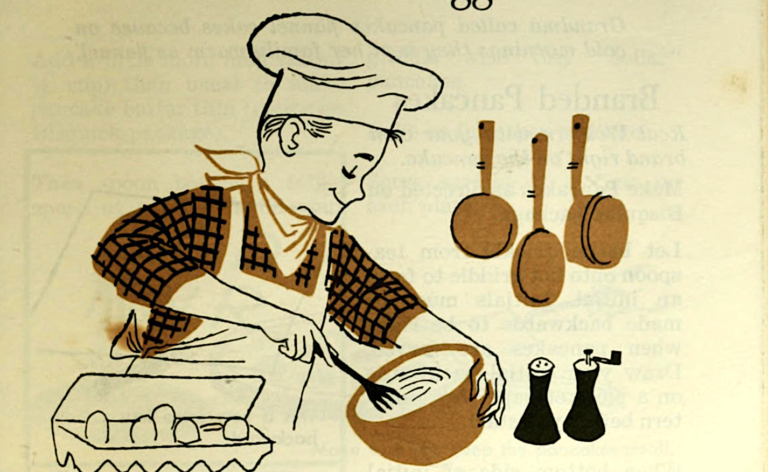
“Early cookbooks were fit for kings,” writes Henry Notaker at The Atlantic. “The oldest published recipe collections” in the 15th and 16th centuries in Western Europe “emanated from the palaces of monarchs, princes, and grand señores.” Cookbooks were more than recipe collections—they were guides to court etiquette and sumptuous records of luxurious…
|
|
|
|