|
Browse Thousands of Free Vintage Cocktail Recipes Online (1705–1951), The Advanced Technology of Ancient Rome: Automatic Doors, Water Clocks, Vending Machines & More ͏ ͏ ͏ ͏ ͏ ͏ ͏ ͏ ͏ ͏ ͏ ͏ ͏ ͏ ͏ ͏ ͏ ͏ ͏ ͏ ͏ ͏ ͏ ͏ ͏ ͏ ͏ ͏ ͏
|
| |
|
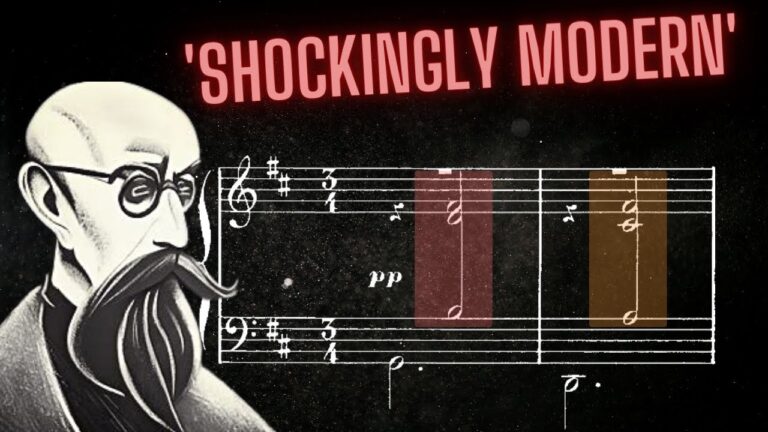
Once you hear Erik Satie’s Gymnopédie No. 1, you never forget it. Not that popular culture would let you forget it: the piece has been, and continues to be, reinterpreted and sampled by musicians working in a variety of genres from pop to electronic to metal. In versions that sound close to what Satie would…
|
|
|
|
| |
|
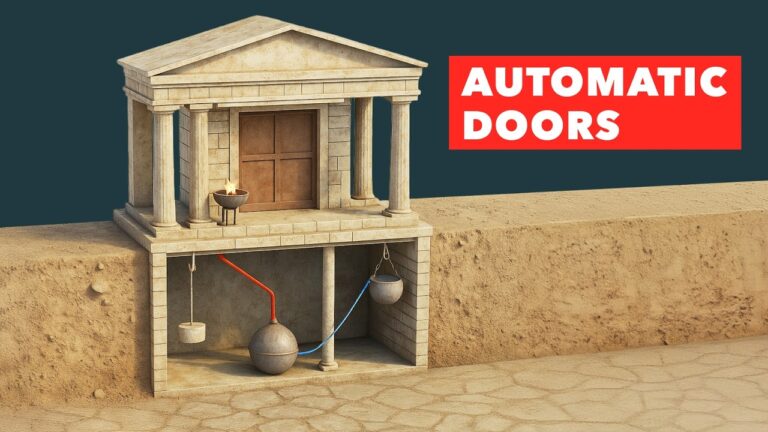
Ancient Rome never had an industrial revolution. Granted, certain historians have objected now and again to that once-settled claim, gesturing toward large heaps of pottery discovered in garbage dumps and other such artifacts clearly produced in large numbers. Still, the fact remains that Ancient Rome never had an industrial revolution of the kind that fired…
|
|
|
|
| |
|
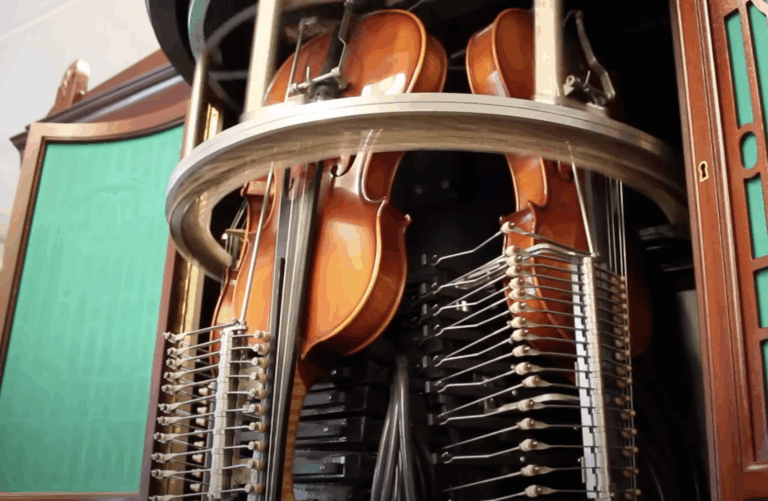
At the 1910 World’s Exhibition in Brussels, Ludwig Hupfeld unveiled the Phonoliszt-Violina, an instrument once dubbed “the eighth wonder of the world.” A leading maker of automated instruments in Germany, Hupfeld built a company that produced everything from phonola push-up players to player pianos. In 1907 he created his most famous invention,…
|
|
|
|
| |

|
We’ve long used the French word milieu in English, but not with quite the same range of meanings it has back in France. For example, French society (and especially the members of its older generations) explicitly recognizes the value of a milieu in the sense of the collected friends, acquaintances, and relations with whom one has…
|
|
|
|