|
The Fascinating Story of How the Electric Music Pioneer Delia Derbyshire Created the Original Doctor Who Theme (1963), What a Lack of Social Contact Does to Your Brain ͏ ͏ ͏ ͏ ͏ ͏ ͏ ͏ ͏ ͏ ͏ ͏ ͏ ͏ ͏ ͏ ͏ ͏ ͏ ͏ ͏ ͏ ͏ ͏ ͏ ͏ ͏ ͏ ͏ ͏ ͏ ͏ ͏
|
| |
|
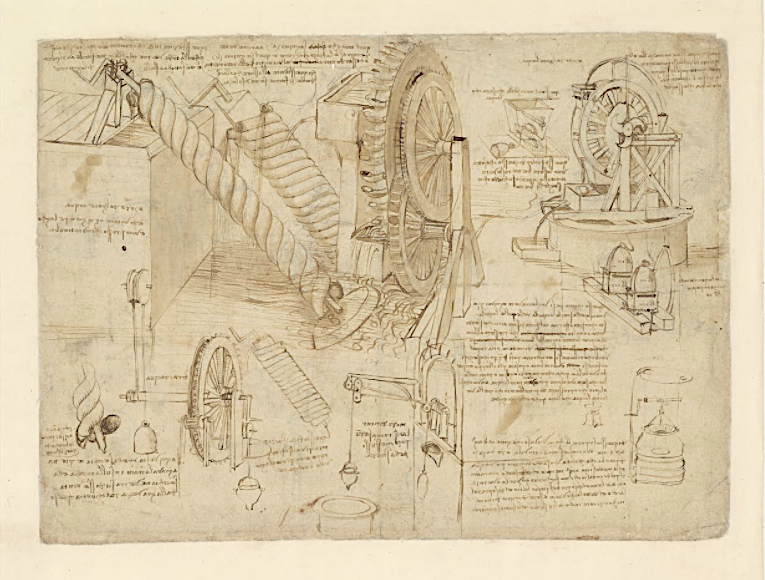
No historical figure better fits the definition of “Renaissance man” than Leonardo da Vinci, but that term has become so overused as to become misleading. We use it to express mild surprise that one person could use both their left and right hemispheres equally well. But in Leonardo’s day, people did not…
|
|
|
|
| |

|
We’ve focused a fair bit here on the work of Delia Derbyshire, pioneering electronic composer of the mid-twentieth century—featuring two documentaries on her and discussing her role in almost creating an electronic backing track for Paul McCartney’s “Yesterday.” There’s good reason to devote so much attention to her: Derbyshire’s work with the
|
|
|
|
| |

|
To many of us, the concept of solitary confinement may not sound all that bad: finally, a reprieve from the siege of social and professional requests. Finally, a chance to catch up on all the reading we’ve been meaning to do. Finally, an environment conducive to this meditation thing about whose benefits we’ve…
|
|
|
|
| |

|
Few modern writers so remind me of the famous Virginia Woolf quote about fiction as a “spider’s web” more than Argentine fabulist Jorge Luis Borges. But the life to which Borges attaches his labyrinths is a librarian’s life; the strands that anchor his fictions are the obscure scholarly references he weaves throughout his…
|
|
|
|
| |

|
While reporting on the Eurovision Song Contest, the New Yorker’s Anthony Lane “asked a man named Seppo, from the seven-hundred-strong Eurovision Fan Club of Norway, what he loved about Eurovision. ‘Brotherhood of man,’ he said — a slightly ambiguous answer, because that was the name of a British group that entered, and won, the…
|
|
|
|