|
Read the Uplifting Letter That Albert Einstein Sent to Marie Curie During a Time of Personal Crisis (1911), How Frank Gehry (RIP) and the Guggenheim Museum Bilbao Changed Architecture ͏ ͏ ͏ ͏ ͏ ͏ ͏ ͏ ͏ ͏ ͏ ͏ ͏ ͏ ͏ ͏ ͏
|
| |
|
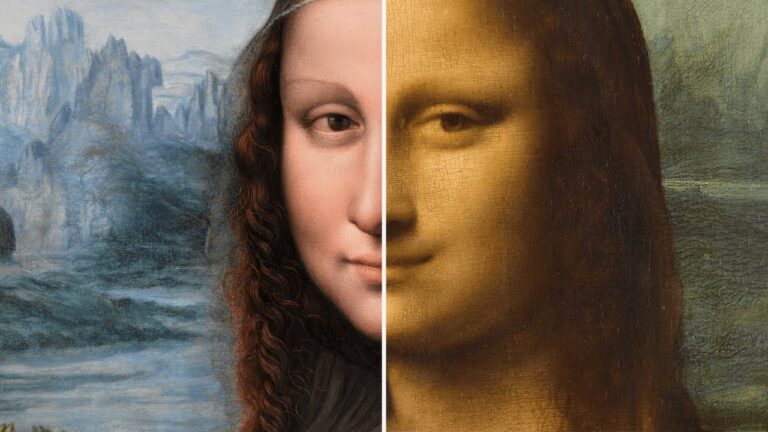
If you want to see the Mona Lisa in real life, your first thought may not be to head to the Prado. But according to a school of thought that has emerged in recent years, the Mona Lisa in Madrid has a greater claim to artistic faithfulness than the one in Paris. That’s because
|
|
|
|
| |
|
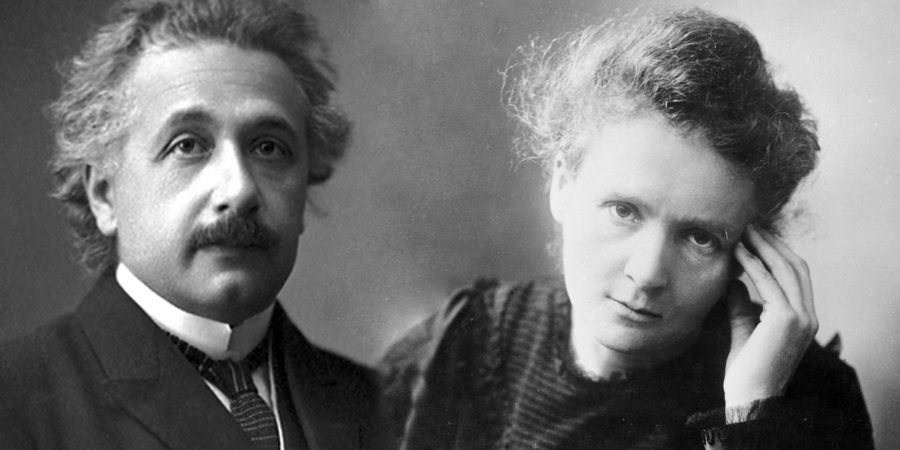
Marie Curie’s 1911 Nobel Prize win, her second, for the discovery of radium and polonium, would have been cause for public celebration in her adopted France, but for the nearly simultaneous revelation of her affair with fellow physicist Paul Langevin, the fellow standing to the right of a 32-year-old Albert Einstein…
|
|
|
|
| |
|
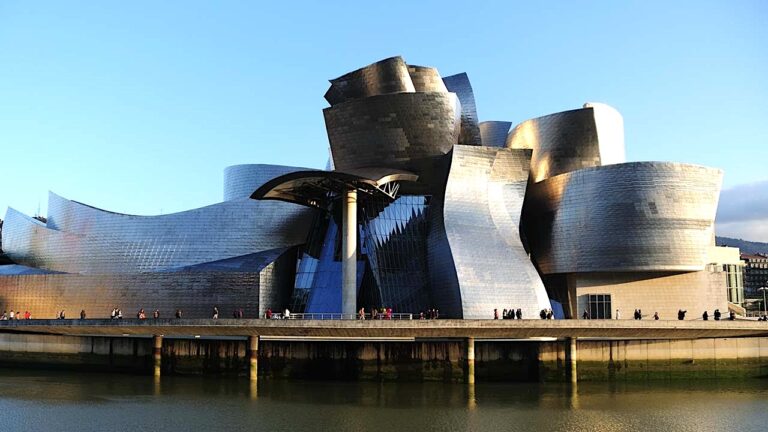
It felt, for quite some time there, like the age of Frank Gehry would never end. But now that the latest defining figure of American architecture — or technically, Canadian-American architecture — has died at the age of 96, the time has come to ask when, exactly, his age began. Or rather, with which…
|
|
|
|
| |
|
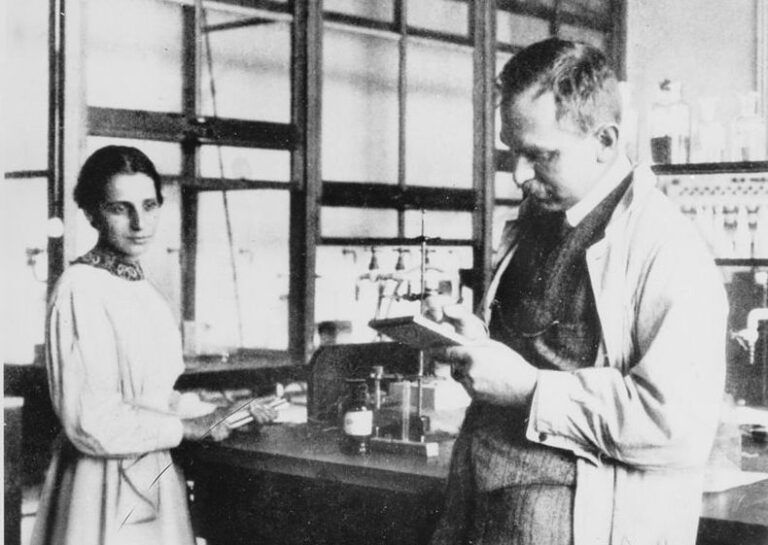
Photo via Wikimedia Commons
The history of science, like most every history we learn, comes to us as a procession of great, almost exclusively white, men, unbroken but for the occasional token woman—well-deserving of her honors but seemingly anomalous nonetheless. “If you believe the history books,” notes the Timeline series The…
|
|
|
|
| |

|
It would be impossible to understand Western civilization without understanding the history of Christianity. But in order to do that, it may serve us well to think of it as the history of Christianities, plural. So suggests Hochelaga creator Tommie Trelawny in the new video above, which explains the Gnostic Gospels, the “forbidden…
|
|
|
|