|
The Greatest Double Agent Ever: How a Spanish Chicken Farmer Became the Most Important Double Agent in WWII, How Fritz Lang’s Metropolis Created the Blueprint for Modern Science Fiction (1927) ͏ ͏ ͏ ͏ ͏ ͏
|
| |

|
In 1894, archaeologist Édouard Piette discovered the “Venus of Brassempouy,” otherwise known as the “Lady with the Hood.” Unearthed in southwestern France and dating to around 25,000 BCE, this carving represents the earliest realistic depiction of a human face. The figure’s forehead, nose, and brows are carefully carved in relief, as is the hair,…
|
|
|
|
| |

|
Juan Pujol García was one of the rare individuals whose participation in World War II made him a Member of the Order of the British Empire and earned him the Iron Cross. He gained that unlikely distinction in perhaps the riskiest of all roles in espionage, that of a double agent. Despite ultimately working for the Allied cause, he created an elaborate fictional persona — complete with an invented spy network operating across Great Britain — who professed loyalty to the Nazi cause. Not only did Pujol get this character plugged into the real German intelligence system, he also got him on its payroll, receiving what came to the equivalent of more than $6 million in today’s U.S. dollars for supplying information — information that ultimately contributed to the Axis’ loss of the war.
The story of how this chicken farmer from Barcelona became the most important double agent of World War II is told in the animated Primal Space video above. Unlike many of the spies history has remembered more clearly, Pujol didn’t begin his espionage career in […]
|
|
|
|
| |
|
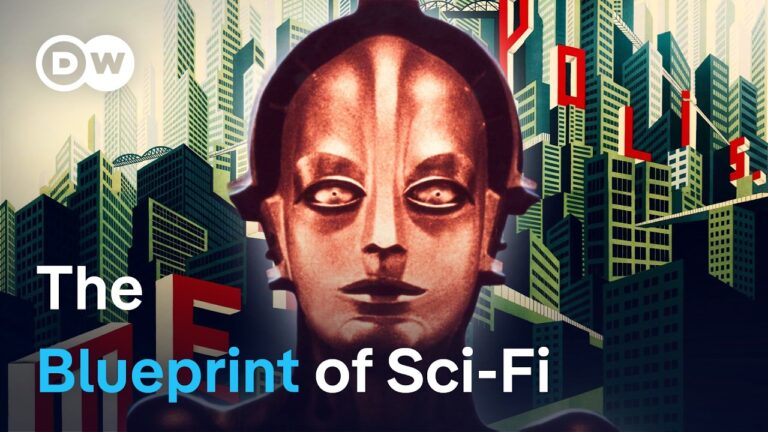
A vast, miserable proletariat squanders its days in meaningless toil. Society is under the control of ultra-wealthy business magnates. In order to pacify the underclass, the ruling class pins its hopes on a technological solution: artificial intelligence. Welcome to the year 2026, as envisioned in Fritz Lang’s Metropolis. When the film premiered, not long after…
|
|
|
|
| |
|
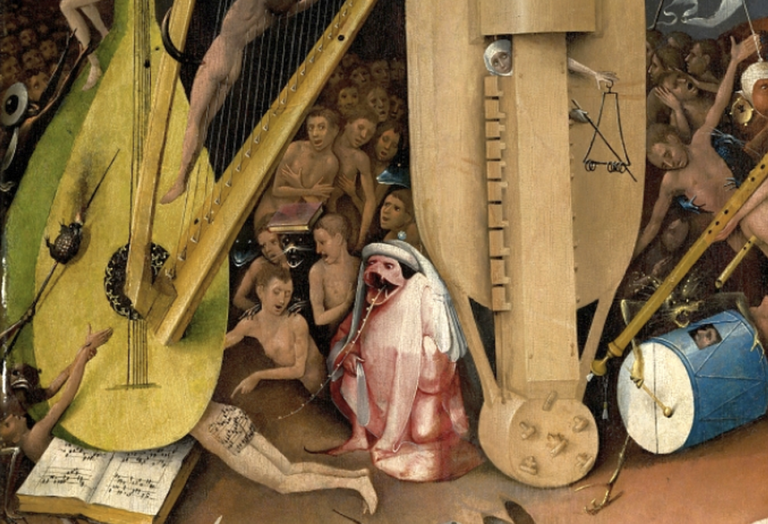
Welcome to The Garden of Earthly Delights.
You’ll find no angelic strings here.
Those are reserved for first-class citizens whose virtuous lives earned them passage to the uppermost heights.
Down below, stringed instruments produce the most hellish sort of cacophony, a fitting accompaniment for the horn whose bell is…
|
|
|
|
| |

|
Science and engineering may be conflated to some degree in the public mind, but anyone who’s spent much time in an academic department belonging to one or the other of those branches of endeavor knows how insistently distinctions can be drawn between them. Bill Hammack, a professor of engineering at the University of Illinois…
|
|
|
|