|
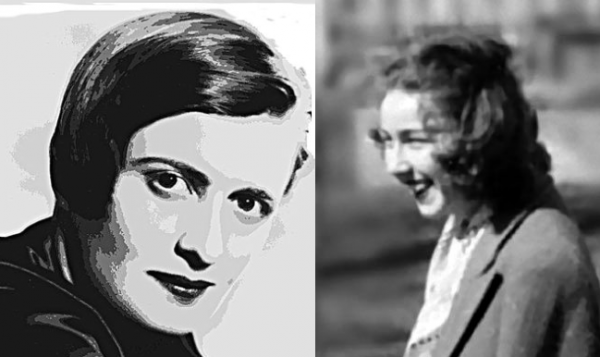
Flannery O’Connor: Friends Don’t Let Friends Read Ayn Rand, How the Fairlight CMI Synthesizer Revolutionized Music ͏ ͏ ͏ ͏ ͏ ͏ ͏ ͏ ͏ ͏ ͏ ͏ ͏ ͏ ͏ ͏ ͏ ͏ ͏ ͏ ͏ ͏ ͏ ͏ ͏ ͏ ͏ ͏ ͏ ͏ ͏ ͏ ͏ ͏ ͏ ͏ ͏ ͏ ͏ ͏ ͏ ͏ ͏ ͏ ͏ ͏ ͏ ͏ ͏ ͏ ͏ ͏ ͏ ͏ ͏ ͏ ͏ ͏ ͏ ͏ ͏ ͏ ͏ ͏ ͏ ͏ ͏ ͏ ͏ ͏ ͏ ͏ ͏ ͏ ͏ ͏ ͏ ͏ ͏ ͏ ͏ ͏
|
| |

|
At first glance, Jesse Welles resembles nothing so much as a time traveler from the year 1968. That’s how I would open a profile about him, but The New York Times’ David Peisner takes a different approach, describing him recording a song in his home studio. “Welles, a singer-songwriter with a shaggy, dirty-blond mane…
|
|
|
|
| |
|
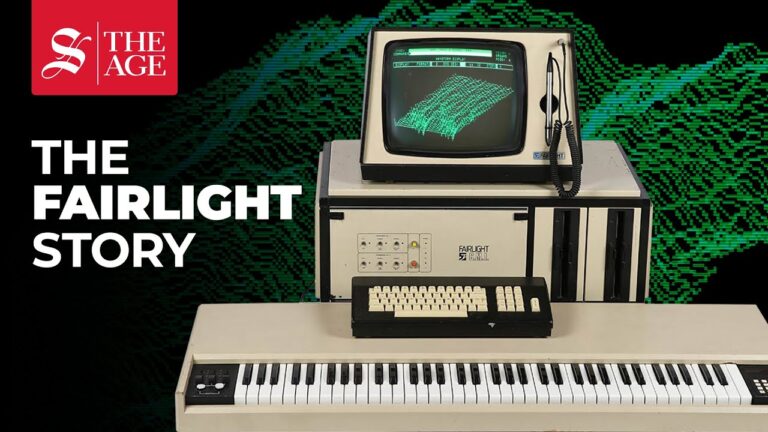
In the credits of Phil Collins’ No Jacket Required appears the disclaimer that “there is no Fairlight on this record.” Cryptic though it may have appeared to most of that album’s many buyers, technology-minded musicians would’ve got it. In the half-decades since its introduction, the Fairlight Computer Musical Instrument, or CMI, had reshaped the sound…
|
|
|
|
| |
|
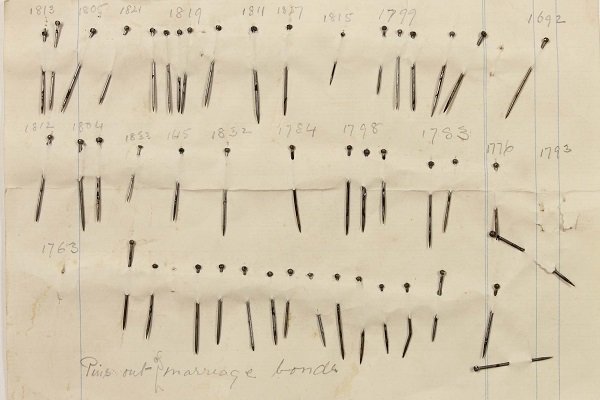
Before the word processor, before White-Out, before Post-It Notes, there were straight pins. Or, at least that’s what Jane Austen used to make edits in one of her rare manuscripts. In 2011, Oxford’s Bodleian Library acquired the manuscript of Austen’s abandoned novel, The Watsons. In announcing the acquisition, the Bodleian wrote:
The…
|
|
|
|
| |

|
At least since The Canterbury Tales, the setting of the medieval tavern has held out the promise of adventure. For their customer base during the actual Middle Ages, however, they had more utilitarian virtues. “If you ever find yourself in the late medieval period, and you are in need of food and drink, you’d better…
|
|
|
|