|
Carl Jung’s Hand-Drawn, Rarely-Seen Manuscript The Red Book, How the Nazis Waged War on Modern Art: Inside the “Degenerate Art” Exhibition of 1937 ͏ ͏ ͏ ͏ ͏ ͏ ͏ ͏ ͏ ͏ ͏ ͏ ͏ ͏ ͏ ͏ ͏ ͏ ͏ ͏ ͏ ͏ ͏ ͏ ͏ ͏ ͏ ͏ ͏ ͏ ͏ ͏ ͏ ͏ ͏ ͏ ͏ ͏ ͏ ͏ ͏ ͏ ͏ ͏ ͏ ͏ ͏ ͏
|
| |

|
Nobody opens a Stephen King novel expecting to see a reflection of the real world. Then again, as those who get hooked on his books can attest, never is his work ever wholly detached from reality. Time and time again, he delivers lurid visions of the macabre, grotesque, and bizarre, but they always work most…
|
|
|
|
| |
|
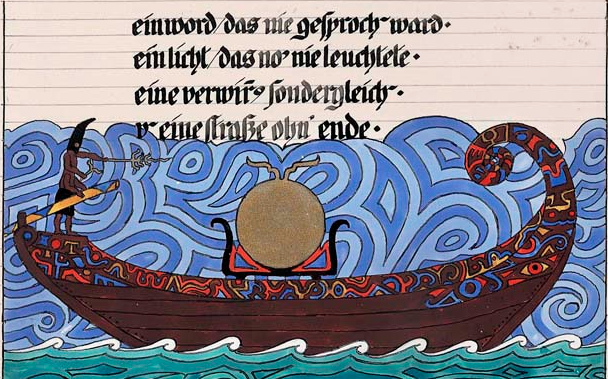
Despite his one-time friend and mentor Sigmund Freud’s enormous impact on Western self-understanding, I would argue it is Carl Jung who is still most with us in our communal practices: from his focus on introversion and extroversion to his view of syncretic, intuitive forms of spirituality and his indirect influence on 12-Step programs. But Jung’s journey…
|
|
|
|
| |
|
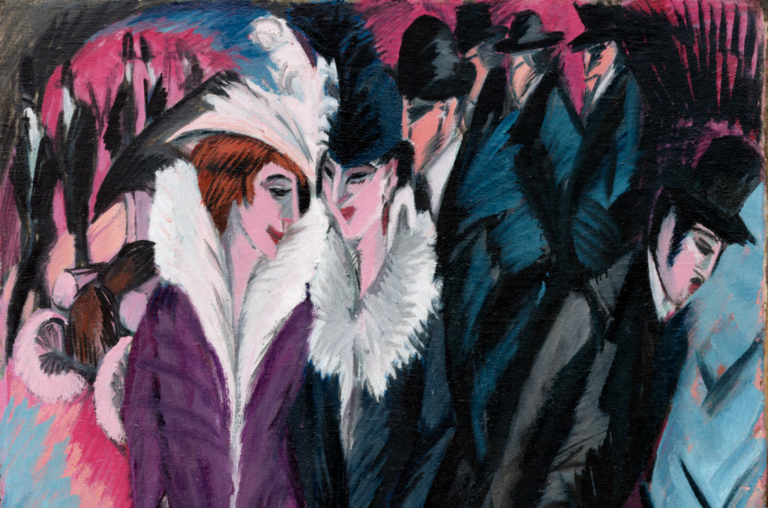
Before his fateful entry into politics, Adolf Hitler wanted to be an artist. Even to the most neutral imaginable observer, the known examples of the estimated 2,000 to 3,000 paintings and other works of art he produced in his early adulthood would hardly evidence astonishing genius. They do show a certain technical…
|
|
|
|
| |
|
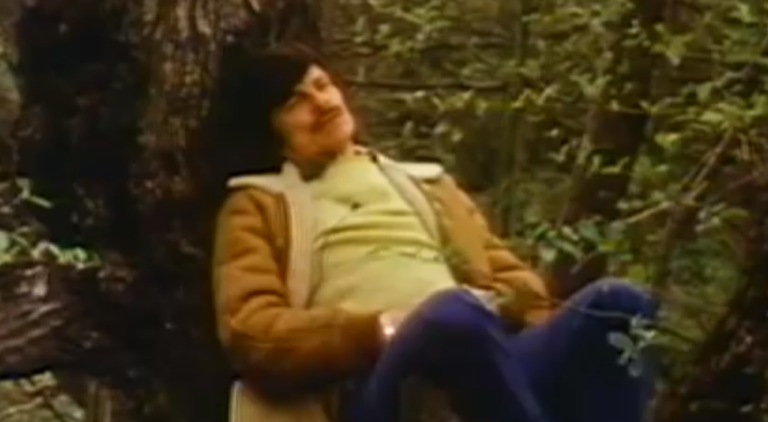
I remember the first time I sat down and watched Andrei Tarkovsky’s lyrical, meandering sci-fi epic Stalker. It was a long time ago, before the advent of smartphones and tablets. I watched a beat-up VHS copy on a non-“smart” TV, and had no ability to pause every few minutes and swing by Facebook, Twitter,…
|
|
|
|
| |
|
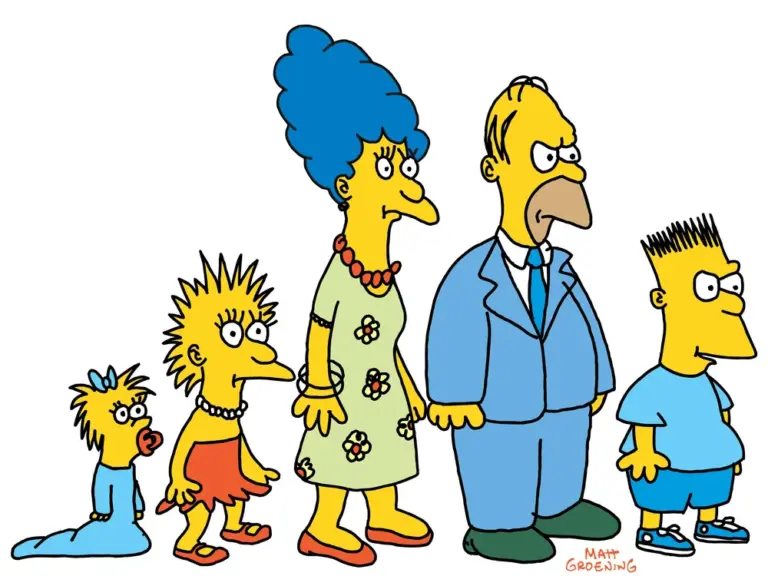
When it first went on air in the late nineteen-eighties, Fox had to prove itself capable of playing in a televisual league with the likes of NBC, CBS, and ABC. To that end, it began building its prime-time lineup with two original programs more thematically and aesthetically daring than anything on those staid networks:…
|
|
|
|