|
How the Moving Image Has Become the Medium of Record: Part 1, Watch “The Birth of the Robot,” Len Lye’s Surreal 1935 Stop-Motion Animation ͏ ͏ ͏ ͏ ͏ ͏ ͏ ͏ ͏ ͏ ͏ ͏ ͏ ͏ ͏ ͏ ͏ ͏ ͏ ͏ ͏ ͏ ͏ ͏ ͏ ͏ ͏ ͏ ͏ ͏ ͏ ͏ ͏ ͏ ͏ ͏ ͏ ͏ ͏ ͏ ͏ ͏ ͏ ͏ ͏ ͏ ͏ ͏ ͏ ͏ ͏ ͏ ͏ ͏ ͏ ͏
|
| |
|
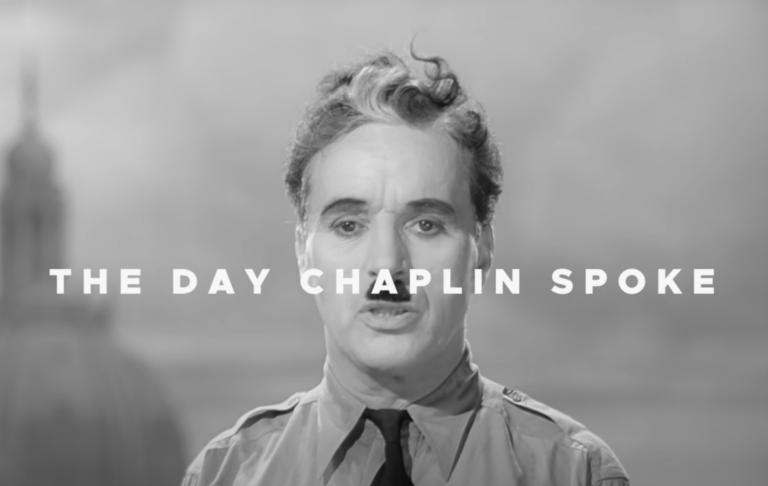
Charlie Chaplin came up in vaudeville, but it was silent film that made him the most famous man in the world. His mastery of that form primed him to feel a degree of skepticism about sound when it came along: in 1931, he called the silent picture “a universal means of expression,” whereas the talkies,…
|
|
|
|
| |
|
Image via Wikimedia Commons
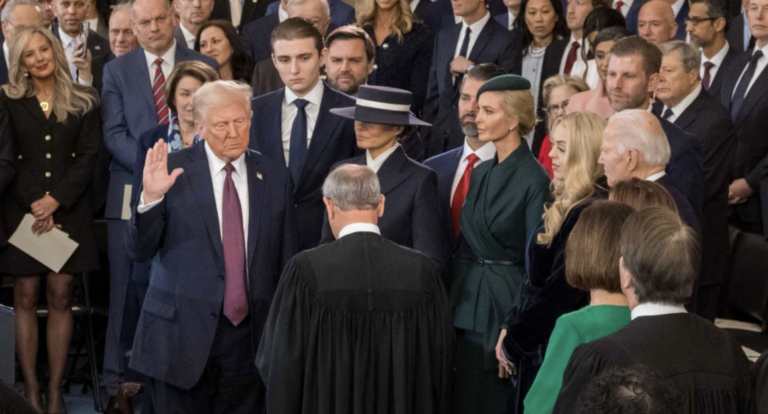
How did we get to the point where we’ve come to believe so many lies that 77 million Americans voted into the White House a criminal reality TV star from NBC, one groomed by a reality TV producer from CBS, who then appointed his Cabinet from Fox and…
|
|
|
|
| |
|
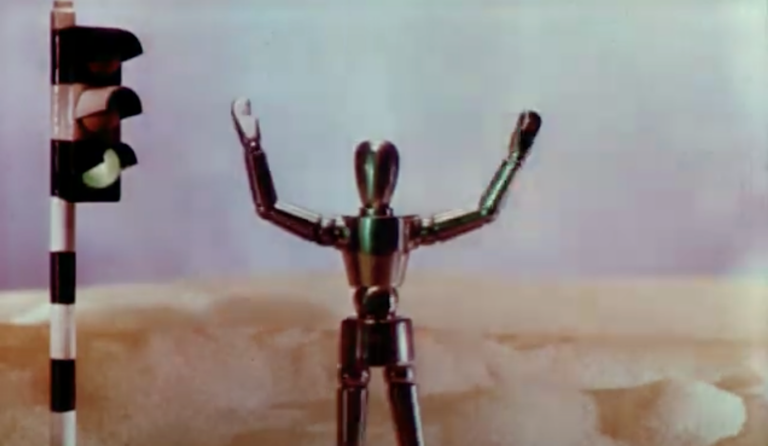
Robots seem to have been much on the public mind back in the nineteen-thirties. Matt Novak at Paleofuture gives the example of a moment in 1932 when “the world was awash in newspaper stories about a robot that had done the unthinkable: a mechanical man had shot its inventor.” Despite being a typical example…
|
|
|
|
| |
|
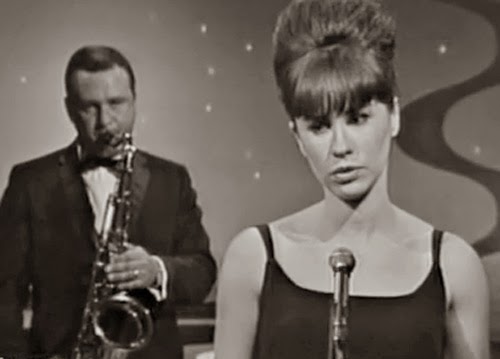
Say what you want about YouTube’s negative effects (endless soy faces, influencers, its devious and fascist-leaning algorithms) but it has offered to creators a space in which to indulge. And that’s one of the reasons I’ve been a fan of Adam Neely’s work. A jazz musician and a former student at both the
|
|
|
|
| |
|
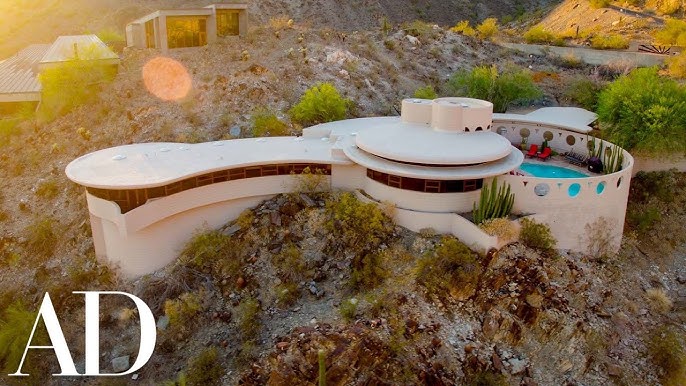
Some remember the nineteen-nineties in America as the second coming of the nineteen-fifties. Whatever holes one can poke in that historical framing, it does feel strangely plausible inside Frank Lloyd Wright’s Circular Sun House. Though not actually built until 1967, it was commissioned from Wright by shipping magnate Norman Lykes in 1959, the last year…
|
|
|
|