|
Man Ray’s Surrealist Cinema: Watch Four Pioneering Films From the 1920s, When Dietrich Bonhoeffer, a German Pastor, Theorized How Stupidity Enabled the Rise of the Nazis (1942) ͏ ͏ ͏ ͏ ͏ ͏ ͏ ͏ ͏ ͏ ͏ ͏ ͏ ͏ ͏ ͏ ͏ ͏ ͏ ͏ ͏ ͏
|
| |

|
Once, the United States was known for sending forth the world’s most complained-about international tourists; today, that dubious distinction arguably belongs to China. But it wasn’t so long ago that the Chinese tourist was a practically unheard-of phenomenon, especially in the West. That’s an important contextual element to understand when considering the work of photographer…
|
|
|
|
| |
|
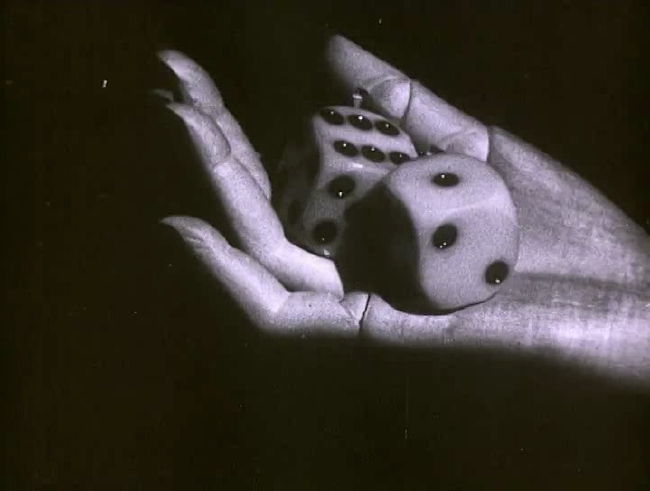
Man Ray was one of the leading artists of the avant-garde of 1920s and 1930s Paris. A key figure in the Dada and Surrealist movements, his works spanned various media, including film. He was a leading exponent of the Cinéma Pur, or “Pure Cinema,” which rejected such “bourgeois” conceits as character,…
|
|
|
|
| |
|
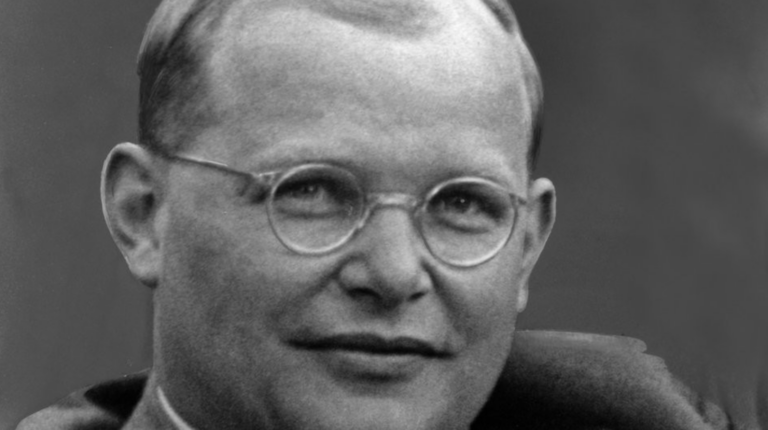
Two days after Adolf Hitler became Chancellor of Germany, the Lutheran pastor Dietrich Bonhoeffer took to the airwaves. Before his radio broadcast was cut off, he warned his countrymen that their führer could well be a verführer, or misleader. Bonhoeffer’s anti-Nazism lasted until the end of his life in 1945, when he was executed…
|
|
|
|
| |
|
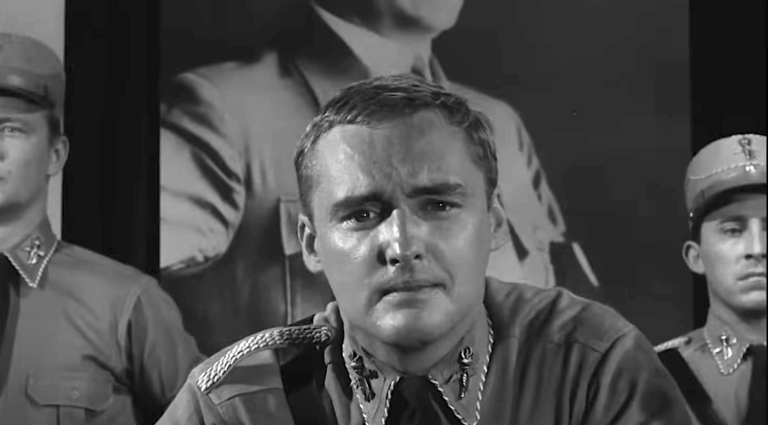
Watch through The Twilight Zone, and you’ll find yourself spotting no end of familiar faces: Julie Newmar, Burt Reynolds, Robert Redford, Elizabeth Montgomery, William Shatner, even Buster Keaton. The 1963 episode “He’s Alive” is at least doubly notable in that respect, featuring as it does a young (but in acting sensibility, almost fully formed)…
|
|
|
|