|
| |
|
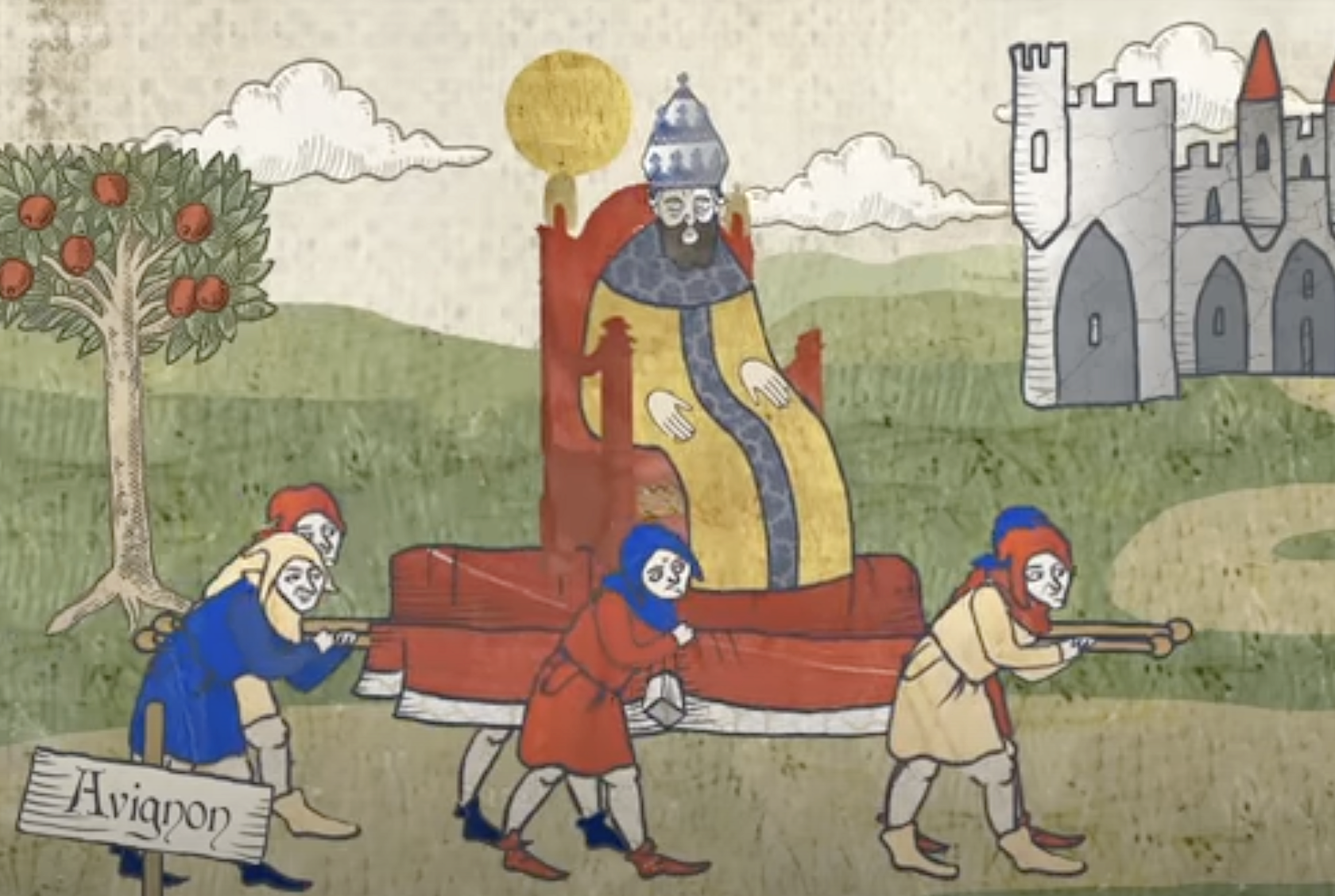
Pope Francis, who’s been head of the Catholic Church for a decade now, is officially Pontiff number 266. But if you scroll through Wikipedia’s list of popes, you’ll see quite a few entries without numbers, their rows cast in a disreputable-looking darker shade of gray. The presence of several such unofficial Popes usually indicates particularly interesting times in the history of the Church, and thus the history of Western civilization itself. The new TED-Ed video above, written by medieval history professor Joëlle Rollo-Koster, tells of the only period in which three popes vied simultaneously for legitimacy. This was The Western Schism — or the Papal Schism, or the Great Occidental Schism, or the Schism of 1378.
However one labels it, “the origins of this papal predicament began in 1296, when France’s King Philip IV decided to raise taxes on the church.” So begins the narrator of the video, which animates the historical scenes he describes in the style of a medieval illuminated manuscript. (It includes many amusing details, though I haven’t managed to spot any aggressive rabbits […]
|
|
|
|
| |

|
Stanley Kubrick’s The Shining pulls off the uncommon feat of inhabiting a genre without falling victim to its vices. But exactly which genre does it inhabit? Horror? Meta-horror? Supernatural thriller? Psychological drama? Most of the pictures made for these broad fields of cinema share a dispiriting lack of re-watchability, especially those reliant on the device…
|
|
|
|
| |
|
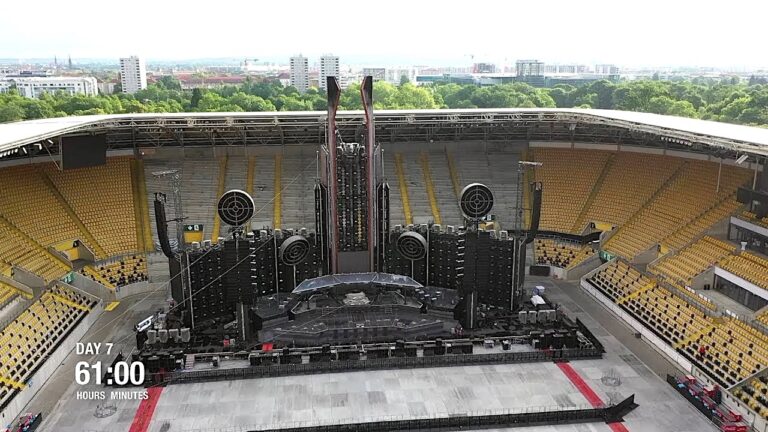
If you’re lucky, you get to spend three hours at a concert, communing with your favorite band. That’s just a fraction of the time it takes to prepare the logistics for the show–to sign the original agreements with the venue, rent suitable hotels, hire crews, fill trucks with equipment and haul it from venue to…
|
|
|
|
| |
|
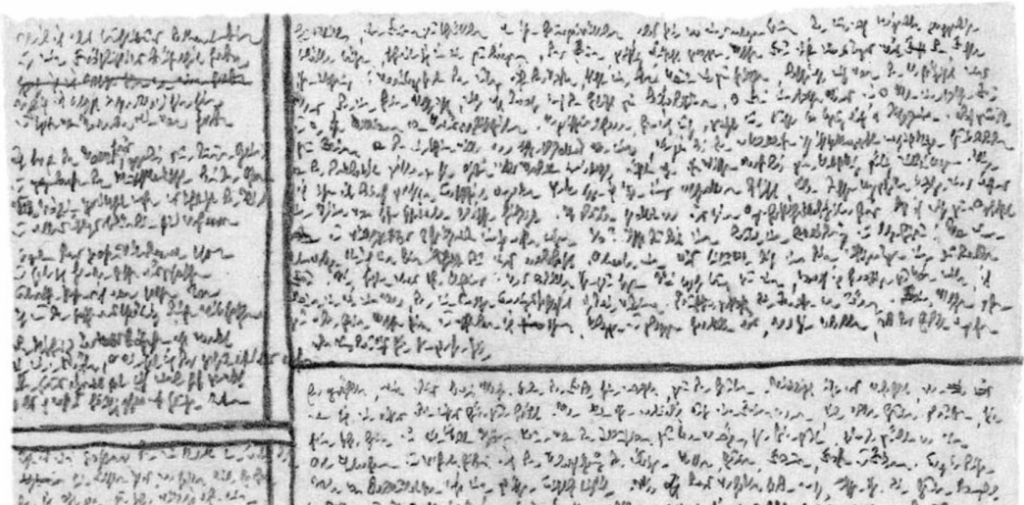
Robert Walser’s last novel, Der Räuber or The Robber, came out in 1972. Walser himself had died fifteen years earlier, having spent nearly three solid decades in a sanatorium. He’d been a fairly successful figure in the Berlin literary scene of the early twentieth century, but during his long institutionalization in his homeland…
|
|
|
|