|
| |
|
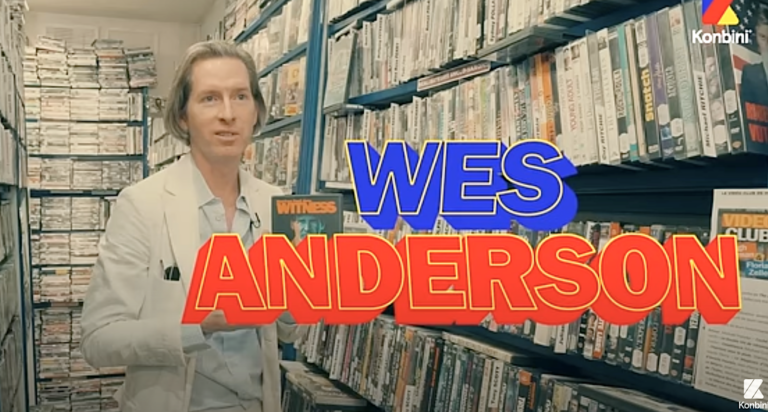
Wes Anderson lives at least part-time in Paris, a situation whose advantages include the ability to frequent JM Vidéo, one of the very few cinephile-oriented video-rental shops still in business. His apartment is on rue Daguerre, which would make it a bit of a trek — across the Seine and then some — to…
|
|
|
|
| |
|
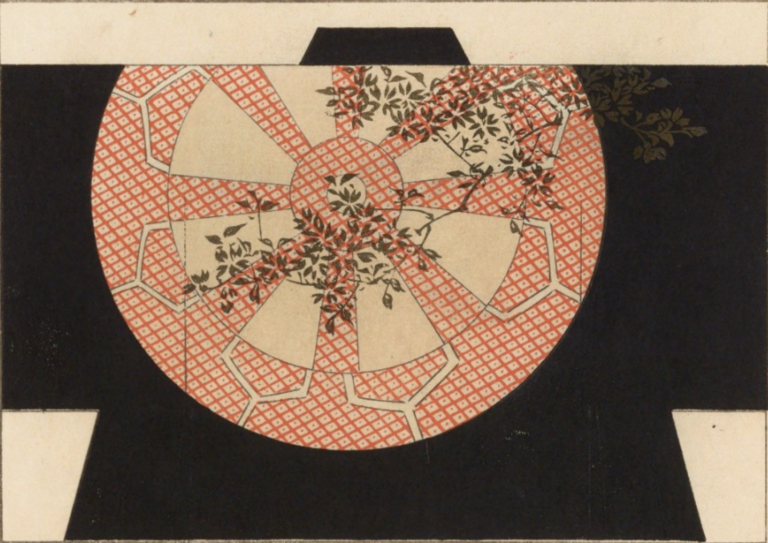
Japan’s 19th-century kimonos blur the lines between art and fashion.
Meiji era customers could browse hinagata-bon, traditionally bound pattern books, on visits to drapers and fabric merchants. These colorful volumes offered a glamorous update of the Edo period’s black-and-white kimono pattern books.
Aspiring designers also studied hinagata-bon, as many of the designs…
|
|
|
|
| |
|
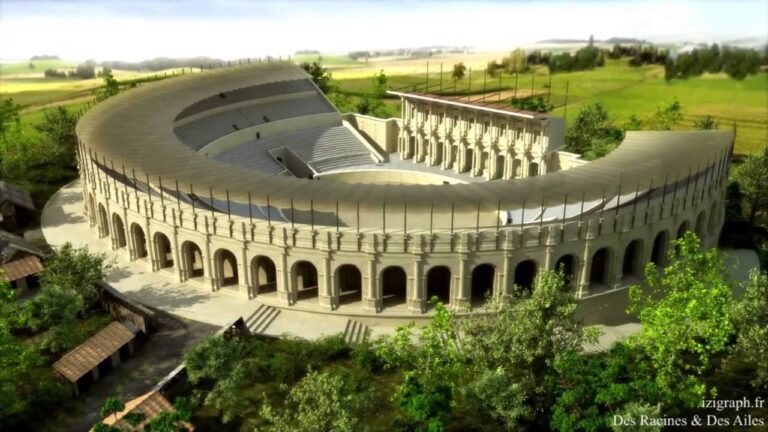
The standard tour of Paris feels like a journey back through time: the Eiffel Tower stands for the eighteen-eighties, the Arc de Triomphe for the turn of the nineteenth century, Les Invalides for the turn of the eighteenth century, Notre-Dame for the mid-fourteenth century, Sainte-Chapelle for the mid-thirteenth century, and so on. But of…
|
|
|
|
| |

|
All of us have, at one time or another, been accused of not seeing what’s right in front of us. But as a close examination of our biological visual system reveals, none of us can see what’s right in front of us. “Our eyes have blind spots where the optic nerve blocks part of the…
|
|
|
|
| |
|
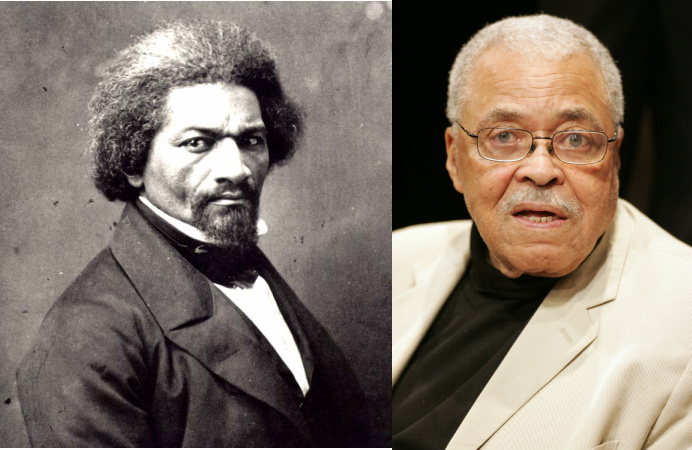
Every year on this day, Frederick Douglass’s fiery, uncompromising 1852 speech, “The Meaning of July 4th for the Negro,” gets a new hearing, and takes on added resonance in the context of contemporary politics. It has never ceased to speak directly to those for whom the celebrations can seem like a hollow mockery…
|
|
|
|