|
Digest of new articles at openculture.com, your source for the best cultural and educational resources on the web ͏ ͏ ͏ ͏ ͏ ͏ ͏ ͏ ͏ ͏ ͏ ͏ ͏ ͏ ͏ ͏ ͏ ͏ ͏ ͏ ͏ ͏ ͏ ͏ ͏ ͏ ͏ ͏ ͏ ͏ ͏ ͏ ͏ ͏ ͏ ͏ ͏ ͏ ͏ ͏ ͏ ͏ ͏ ͏ ͏ ͏ ͏ ͏ ͏ ͏ ͏ ͏ ͏ ͏ ͏ ͏ ͏ ͏ ͏ ͏ ͏ ͏ ͏ ͏ ͏ ͏ ͏ ͏ ͏ ͏ ͏ ͏ ͏ ͏ ͏ ͏ ͏ ͏ ͏ ͏ ͏ ͏ ͏ ͏ ͏ ͏ ͏
|
|
The making of Pink Floyd’s 1979 rock opera The Wall is rife with the kind of rock star ironies exploited a few years later by This Is Spinal Tap. Their fall into fractiousness and bloat began when Roger Waters firmly established himself as captain on 1977’s Animals, his tribute album for George Orwell. Stage shows became even more grandiose, leading keyboardist Richard Wright to worry they were “in danger of becoming slaves to our equipment.” Certain moments during the 1977 In the Flesh tour in support of the album seem right out of a Christopher Guest brainstorm.
One night in Frankfurt, “the stage filled with so much dry ice that the band were almost completely obscured,” Mark Blake writes in Comfortably Numb. Fans threw bottles. Crowds felt further alienated when Waters started wearing headphones onstage, trying to sync the music and visuals. During a five-night run at London’s Wembley Empire Pool, “officials from the Greater London Council descended on the venue to check that the band’s inflatable pig had been equipped with a safety line” (due to a minor panic […]
|
|
|
|
|
Mark Linsenmayer, Lawrence Ware, Sarahlyn Bruck, and Al Baker convene an emergency podcast recording to react to this mind-bending, possibly immoral HBO comedy docuseries, wherein Fielder helps ordinary people rehearse difficult personal confrontations, but this plan goes off the rails after 1.5 episodes out of the six that made up its first season.
This series builds upon Fielder’s previous show where he comedically tried to help businesses, Nathan for You, whose ground-breaking finale (“Finding Frances”) discovered The Rehearsal‘s format. Is Nathan himself the main butt of the joke, or is he punching down? Are there better ways to show the failings of reality TV? How does this kind of embarrassment humor differ from Borat and its ilk? Maybe the show is not as much about these people going through their rehearsals as an examination of the process of rehearsing itself that Fielder has devised.
Feel free to listen to us to find out what it’s all about, but you will be best served by watching this indescribable show yourself before experiencing this episode.
A few relevant […]
|
|
|
|
|
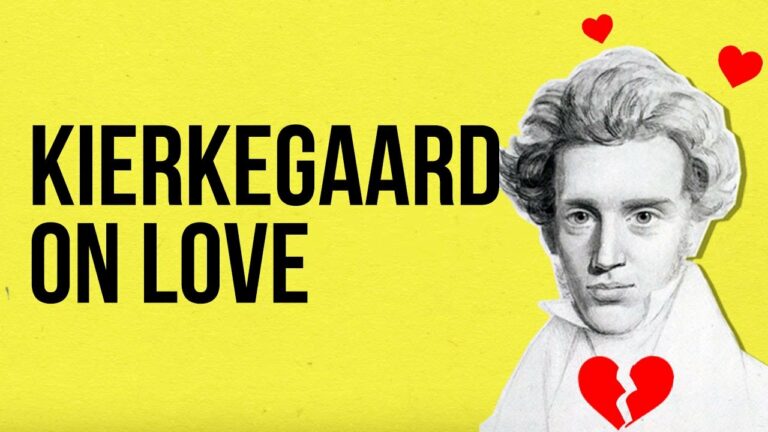
Søren Kierkegaard died in 1855, but if he’d glimpsed our modern-day landscape of dating apps, he probably would’ve understood it. “People who otherwise pride themselves on their lack of prejudice will apply terrifyingly strict criteria to their choice of partner,” says Alain de Botton in the animated School of Life video above. “They want someone with just a certain sort of face or income or sense of humor. They think of themselves as kind and tolerant, but when it comes to love, they have all the broad-mindedness of a believer in ‘a caste system whereby men are inhumanly separated through the distinctions of earthly life.'”
Kierkegaard noticed these human tendencies even in his day, and to his mind, they had nothing at all to do with love — true Christian love, that is, which he spent a good bit of his philosophical career trying to elucidate. He insisted, de Botton explains, “that most of us have no idea what love is, even though we refer to the term incessantly.”
Whether in Europe of the nineteenth century or most anywhere in […]
|
|
|
|
|
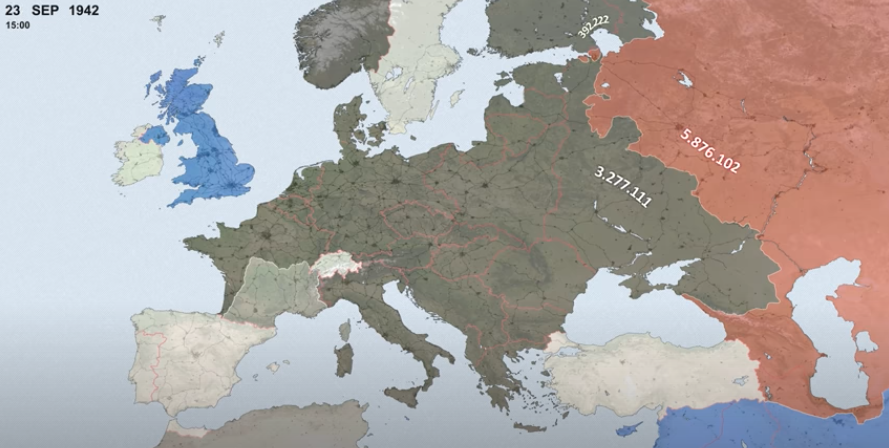
In the story of World War II we all know, a handful of murderous villains and flawed yet capable defenders of democracy drive the narrative. The authors of a Kings College London project argue that this conventional history shows “a preoccupation with the culpability of statesmen….. Above all else, the debate about war in 1939 revolves around personalities.” But there is another way to see the causes of war: through the escalating arms race of the 1930s, despite the global push for disarmament following World War I’s devastation.
The leaders of Germany, Italy and Japan wanted war, yet their ability to wage it, and the ways in which that war played out, came down to logistical contests between war machines. “First in Berlin, then in Rome and finally in Tokyo,” writes historian Joseph Maiolo, “the ebb and flow of arms competition compelled leaders to make now-or-never decisions about war.” Such decisions produced a wealth of unintended consequences, and led to catastrophic losses of life. Air, sea, and land power created at an unheard-of industrial scale turned war into an assembly […]
|
|
|
|
|
In literature, graphic descriptions of menace and dismemberment by monsters are as old as Beowulf and much, much older still, though it wasn’t until Horace Walpole’s 18th century novel The Castle of Otranto inspired the gothic romance novel that horror-qua-horror came into fashion. Without Walpole, and better-known gothic innovators like Mary Shelley and Bram Stoker, we’d likely never have had Edgar Allan Poe, H.P. Lovecraft, or Stephen King. But nowadays when we think of horror, we usually think of film—and all of its various contemporary subgenres, including creepy psychological twists on good-old-fashion monster movies, like The Babadook.
But from whence came the horror film? Was it 1931, a banner horror year in which audiences saw both Boris Karloff in James Whale’s Frankenstein and Bela Lugosi in Tod Browning’s Dracula? Certainly classic films by masters of the genre, but they did not originate the horror movie. There is, of course, F.W. Murnau’s terrifying silent Nosferatu from 1922 (and the real life horror of its deceased director’s missing head).
And what about German expressionism? “A case can be made,” argued […]
|
|
|
|