|
Digest of new articles at openculture.com, your source for the best cultural and educational resources on the web ͏ ͏ ͏ ͏ ͏ ͏ ͏ ͏ ͏ ͏ ͏ ͏ ͏ ͏ ͏ ͏ ͏ ͏ ͏ ͏ ͏ ͏ ͏ ͏ ͏ ͏ ͏ ͏ ͏ ͏ ͏ ͏ ͏ ͏ ͏ ͏ ͏ ͏ ͏ ͏ ͏ ͏ ͏ ͏ ͏ ͏ ͏ ͏ ͏ ͏ ͏ ͏ ͏ ͏ ͏ ͏ ͏ ͏ ͏ ͏ ͏ ͏ ͏ ͏ ͏ ͏ ͏ ͏ ͏ ͏ ͏ ͏ ͏ ͏ ͏ ͏ ͏ ͏ ͏ ͏ ͏ ͏ ͏ ͏ ͏ ͏ ͏
|
|
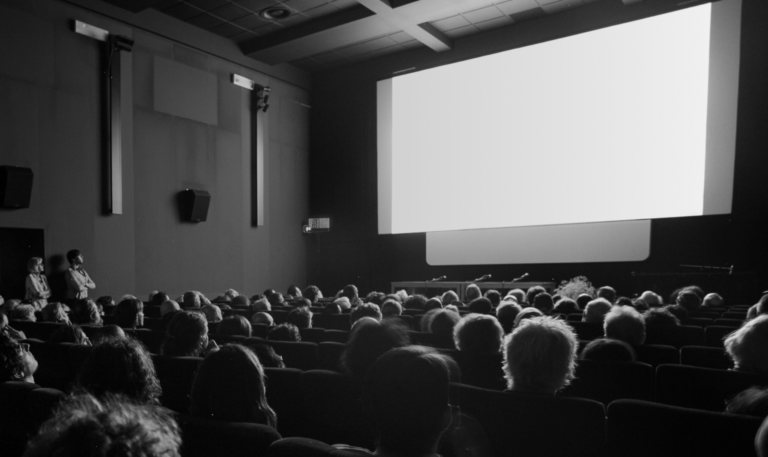
Since 1990, Martin Scorsese has devoted the non-filmmaking part of his career to film preservation, whether that means the classics of Hollywood or world cinema. The over 900 restorations that he’s helped fund through the Film Foundation non-profit have been the subject of Criterion Collection box sets, special anniversary screenings and festival showings, and now a special monthly online screening room will give viewers a chance to see some familiar and not-so-familiar films that have been saved from destruction.
According to the welcome message at the Restoration Screening Room, “Presentations will take place within a 24-hour window on the second Monday of each month, along with Special Features about the films and their restoration process. Monthly programming will encompass a broad array of restorations, including classic and independent films, documentaries, and silent films from around the world.’”
As of this writing, the window has closed for its inaugural film, Powell and Pressburger’s 1945 I Know Where I’m Going! but you can still click through to see the extras that come with the film: an Introduction by Scorsese; an interview […]
|
|
|
|
|
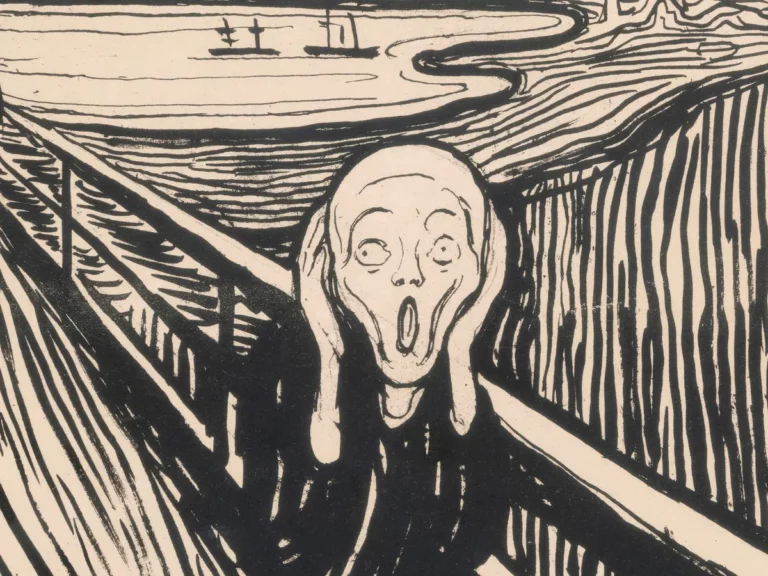
The Scream is not screaming. “One of the famous in the images of art,” Edvard Munch’s most widely seen painting “has become, for us, a universal symbol of angst and anxiety.” Munch painted it in 1893, when “Europe was at the birth of the modern era, and the image reflects the anxieties that troubled the world.” However many fin-de-siècle Europeans felt like screaming for one reason or another, the central figure of The Scream isn’t one of them: “rather, it is holding its hands over its ears, to block out the scream.” So gallerist and Youtuber James Payne reveals on the latest episode of his series Great Art Explained, which doesn’t just examine Munch’s iconic work of art, but places it in the context of his career and his time.
During most of Munch’s life, “European cities were going through truly exceptional changes. Industrialization and economic shifts brought fear, obsessions, diseases, political unrest, and radicalism. Questions were being raised about society, and the changing role of man within it: about our psyche, our social responsibilities, and most radical of […]
|
|
|
|
|
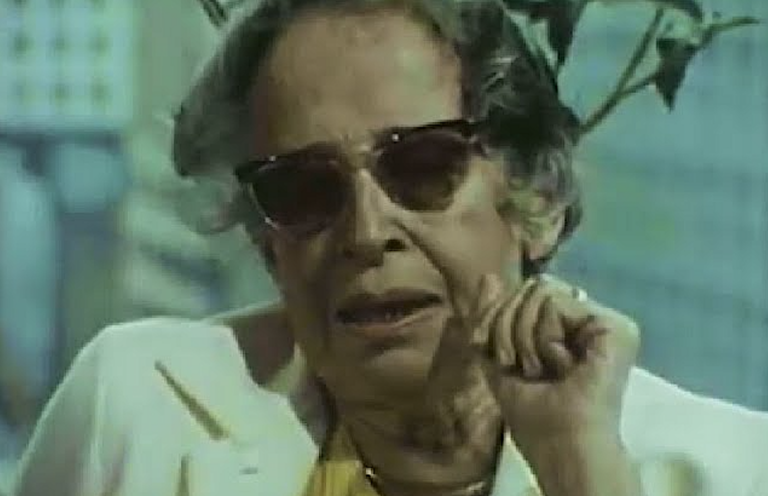
Even before the election of Donald Trump, as some critics began to see the possibility of a win, talk turned to historical names of anti-fascism: George Orwell, Sinclair Lewis, and, especially, Hannah Arendt, author of The Origins of Totalitarianism, On Revolution, and Eichmann in Jerusalem, her series of articles for The New Yorker about the trial of the Nazi’s chief bureaucrat. Arendt closely observed authoritarian regimes and their aftermath, detailing the way ideology seeps in through banal political careerism.
Since 2016, her warnings have seemed all-too-prescient, especially after a coup attempt last January that has been all-but hand-waved out of political memory by the GOP and its media apparatus, while candidates who deny the legitimacy of election outcomes they don’t like increasingly get their names on ballots. The degree to which Arendt saw the political conditions of her time, and maybe ours, with clarity has less to do with foreknowledge and more with a deep knowledge of the past. Corruption, tyranny, deceit, in all their many forms, have not changed much in their essential character since the […]
|
|
|
|
|
It would be difficult to overstate the prominence, in the late twentieth century, of the theme from Hugh Hudson’s Chariots of Fire. Most anyone under the age of 60 will have heard it many times as parody before ever seeing it in its original, Academy Award-winning context. Unfortunately, encountering the piece in nearly every humorous slow-motion running scene for two or three decades straight has a way of dampening its impact. But back in 1981, to score a nineteen-twenties period drama with brand-new digital synthesizers marked a brazen departure from convention, as well as the beginning of a trend of musical anachronism in cinema (which would manifest even in the likes of Dirty Dancing).
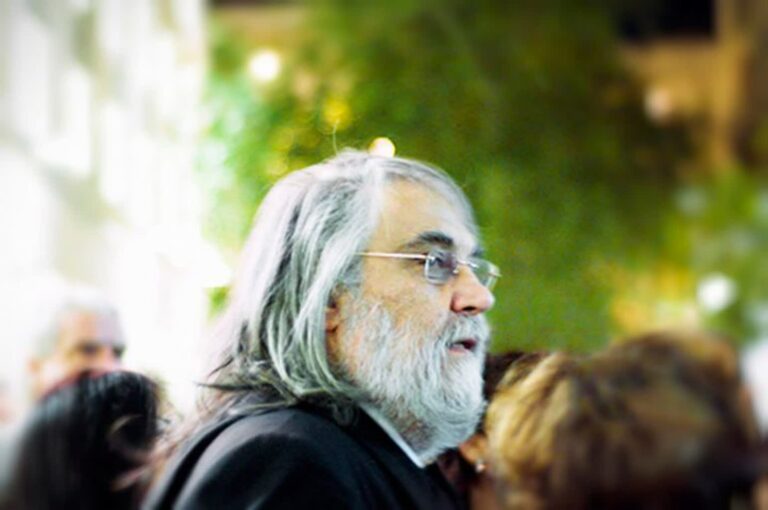
The Chariots of Fire theme has surely returned to many of our playlists after the death this week of its composer, Vangelis. Even before that film, he’d collaborated with Hudson on documentaries and commercials; immediately thereafter, he found himself in great demand as a composer for features.
The very next year, in fact, saw Vangelis crafting a score that has, perhaps, remained even more respected over time than the one […]
|
|
|
|
|
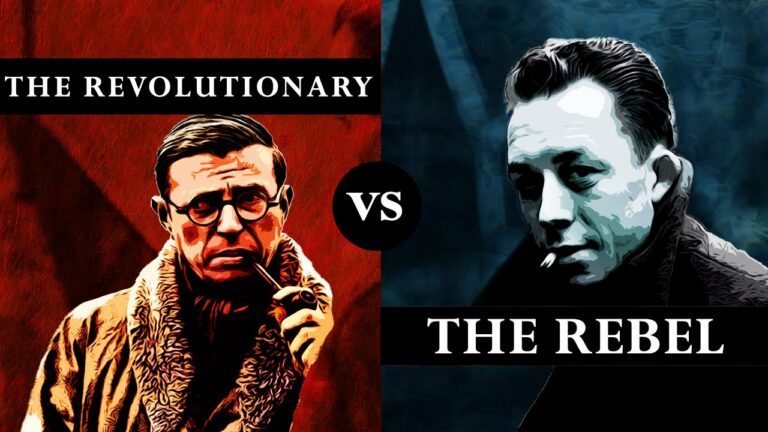
At the end of World War II, as Europe lay in ruins, so too did its “intellectual landscape,” notes the Living Philosophy video above. In the midst of this “intellectual crater” a number of great thinkers debated “the blueprint for the future.” Feminist philosopher and novelist Simone de Beauvoir put it bluntly: “We were to provide the postwar era with its ideology.” Two names — De Beauvoir’s partner Jean-Paul Sartre and his friend Albert Camus — came to define that ideology in the philosophy broadly known as Existentialism.
The two first met in Paris in 1943 during the Nazi occupation. They were already “deeply acquainted” with one another’s work and shared a mutual respect and admiration as critics and reviewers of each other and as fellow resistance members. Both “intellectual giants” were targeted by the FBI, and both would go on to win the Nobel Prize in Literature (though Sartre rejected his). Their fame would continue into the postwar years, despite Camus’ retreat from philosophical writing after the publication of The Rebel.
While we’ve previously brought […]
|
|
|
|