|
Digest of new articles at openculture.com, your source for the best cultural and educational resources on the web ͏ ͏ ͏ ͏ ͏ ͏ ͏ ͏ ͏ ͏ ͏ ͏ ͏ ͏ ͏ ͏ ͏ ͏ ͏ ͏ ͏ ͏ ͏ ͏ ͏ ͏ ͏ ͏ ͏ ͏ ͏ ͏ ͏ ͏ ͏ ͏ ͏ ͏ ͏ ͏ ͏ ͏ ͏ ͏ ͏ ͏ ͏ ͏ ͏ ͏ ͏ ͏ ͏ ͏ ͏ ͏ ͏ ͏ ͏ ͏ ͏ ͏ ͏ ͏ ͏ ͏ ͏ ͏ ͏ ͏ ͏ ͏ ͏ ͏ ͏ ͏ ͏ ͏ ͏ ͏ ͏ ͏ ͏ ͏ ͏ ͏ ͏
|
|
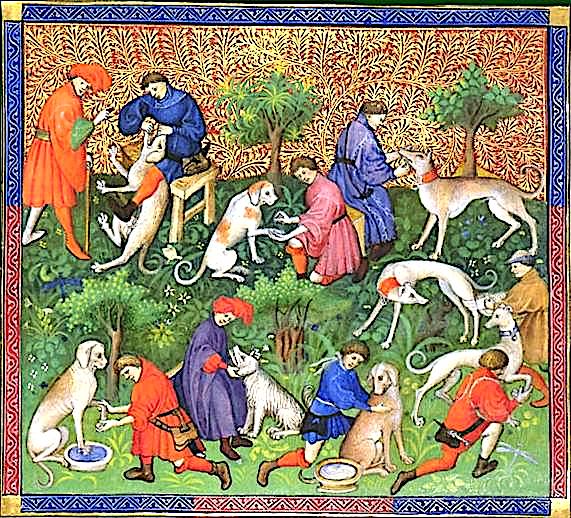
The Rovers, Fidos, and Spots of the world have been regarded since time immemorial as man’s best friends. But they haven’t always been named Rover, Fido, and Spot: early fifteenth-century English dog owners preferred to give their pets names like Nosewise, Garlik, Pretyman, and Gaylarde. Or at least the author of a fifteenth-century English manuscript thought those names suitable for dogs at the time, according to a thread posted just a few days ago by Twitter user WeirdMedieval. Other canine monikers officially endorsed by the author (whose precise identity remains unclear) include Filthe, Salmon, Havegoodday, Hornyball, and Argument, none of which you’re likely to meet in the dog park today.
The complete list of 1,065 dog names is included in David Scott-Macnab’s academic paper “The Names of All Manner of Hounds: A Unique Inventory in a Fifteenth-Century Manuscript” (or here on Imgur).
Meant to cover hunting dogs including “running hounds, terriers and greyhounds,” the compilation includes “numerous recognizable proper names, including several […]
|
|
|
|
|
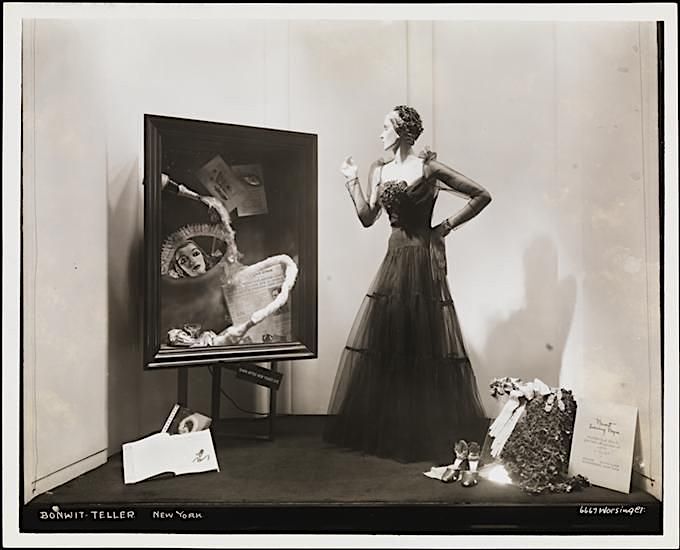
If you want to understand the history of art in twentieth-century America, you can’t overlook the corner of Fifth Avenue and 56th Street in New York City. No, not Trump Tower, but the building it replaced: Bonwit Teller, the luxury department store that had stood on the site since 1929. Then as now, any shop on Fifth Avenue has to find a way to set itself apart, and by 1939 Bonwit Teller had built a “reputation for having Manhattan’s screwiest window displays.” So says Time magazine, covering a minor debacle that year over one of the installations by “the world’s No. 1 surrealist, Salvador Dalí.”
Dalí had previously dressed Bonwit Teller’s windows without incident in 1936, riding high on the buzz from his first American exhibition that same year. When invited back by the store to create a new display, writes Tim McNeese in Salvador Dalí, “he decided to use the windows to depict the ‘Narcissus complex,'” divided into day and night. “In the Day window, Narcissus is personified,” says The […]
|
|
|
|
|
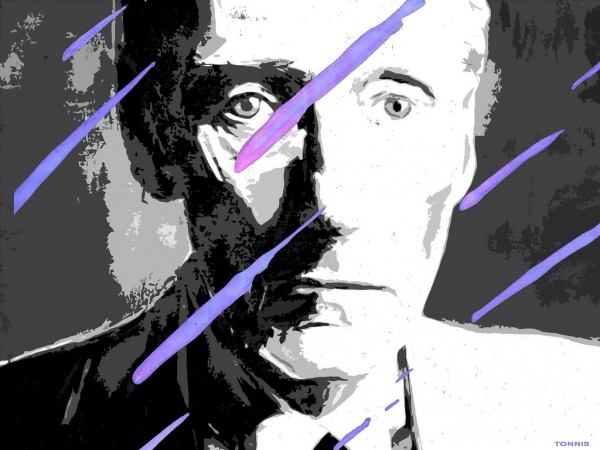
“Thanksgiving Day, Nov. 28, 1986” first appeared in print in Tornado Alley, a chapbook published by William S. Burroughs in 1989. Two years later, Gus Van Sant (Good Will Hunting, My Own Private Idaho, Milk) shot a montage that brought the poem to film, making it at least the second time the director adapted the beat writer to film.
If you’ve seen Burroughs use Shakepseare’s face for target practice, or if you’ve watched The Junky’s Christmas, you’ll know that he wasn’t kind to convention or tradition. And there are no prisoners taken here, as you’ll see above.
For background on Burroughs read the New Yorker piece, “The Outlaw, The extraordinary life of William S. Burroughs.” Find the text for “Thanksgiving Prayer” here.
Now time for a little Thanksgiving dinner….
Related Content:
Hear a Great Radio Documentary on William S. Burroughs Narrated by Iggy Pop
Gus Van Sant Adapts William S. Burroughs: An Early 16mm Short
[…]
|
|
|
|
|
Alice’s Restaurant. It’s now a Thanksgiving classic, and something of a tradition around here. Recorded in 1967, the 18+ minute counterculture song recounts Arlo Guthrie’s real encounter with the law, starting on Thanksgiving Day 1965. As the long song unfolds, we hear all about how a hippie-bating police officer, by the name of William “Obie” Obanhein, arrested Arlo for littering. (Cultural footnote: Obie previously posed for several Norman Rockwell paintings, including the well-known painting, “The Runaway,” that graced a 1958 cover of The Saturday Evening Post.) In fairly short order, Arlo pleads guilty to a misdemeanor charge, pays a $25 fine, and cleans up the thrash. But the story isn’t over. Not by a long shot. Later, when Arlo (son of Woody Guthrie) gets called up for the draft, the petty crime ironically becomes a basis for disqualifying him from military service in the Vietnam War. Guthrie recounts this with some bitterness as the song builds into a satirical protest against the war: “I’m sittin’ here on the Group W bench ’cause you want to know if I’m moral enough to join the Army, burn women, kids, houses and […]
|
|
|
|
|
A heads up on a deal: Between now and November 28 2022, Coursera is offering a $100 discount on its annual subscription plan called “Coursera Plus.” Normally priced at $399, Coursera Plus (now available for $299) gives you access to 7,000+ world-class courses for one all-inclusive subscription price. This includes Coursera’s Specializations and Professional Certificates, all of which are taught by top instructors from leading universities and companies (e.g. Yale, Duke, Google, Meta, and more).
The $299 annual fee–which translates to 81 cents per day–could be a good investment for anyone interested in learning new subjects and skills in the coming year, or earning certificates that can be added to your resume. Just as Netflix’s streaming service gives you access to unlimited movies, Coursera Plus gives you access to unlimited courses and certificates. It’s basically an all-you-can-eat deal.
You can try out Coursera Plus for 14 days, and if it doesn’t work for you, you can get your money back. Explore the offer (before September 29, 2022) here.
Note: Open Culture […]
|
|
|
|