|
Digest of new articles at openculture.com, your source for the best cultural and educational resources on the web ͏ ͏ ͏ ͏ ͏ ͏ ͏ ͏ ͏ ͏ ͏ ͏ ͏ ͏ ͏ ͏ ͏ ͏ ͏ ͏ ͏ ͏ ͏ ͏ ͏ ͏ ͏ ͏ ͏ ͏ ͏ ͏ ͏ ͏ ͏ ͏ ͏ ͏ ͏ ͏ ͏ ͏ ͏ ͏ ͏ ͏ ͏ ͏ ͏ ͏ ͏ ͏ ͏ ͏ ͏ ͏ ͏ ͏ ͏ ͏ ͏ ͏ ͏ ͏ ͏ ͏ ͏ ͏ ͏ ͏ ͏ ͏ ͏ ͏ ͏ ͏ ͏ ͏ ͏ ͏ ͏ ͏ ͏ ͏ ͏ ͏ ͏
|
|
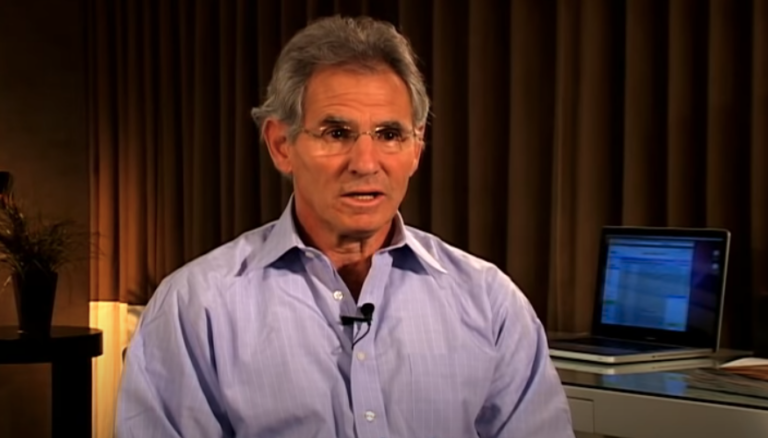
The practice of cultivating mindfulness through meditation first took root in Europe and the U.S. in the 1960s, when Buddhist teachers from Japan, Tibet, Vietnam, and elsewhere left home, often under great duress, and taught Western students hungry for alternative forms of spirituality. Though popularized by countercultural figures like Alan Watts and Allen Ginsberg, the practice didn’t seem at first like it might reach those who seemed to need it most — stressed out denizens of the corporate world and military industrial complex who hadn’t changed their consciousness with mind-altering drugs, or left the culture to become monastics.
Then professor of medicine Jon Kabat-Zinn came along, stripped away religious and new age contexts, and began redesigning mindfulness for the masses in 1979 with his mindfulness-based stress reduction (MBSR) program. Now everyone knows, or thinks they know, what mindfulness is. As meditation teacher Lokadhi Lloyd tells The Guardian, Kabat-Zinn is “Mr Mindfulness in relation to our secular strand. Without him, I don’t think mindfulness would have risen to the prominence it has.”
His secularization of mindfulness, however, has not, in […]
|
|
|
|
|
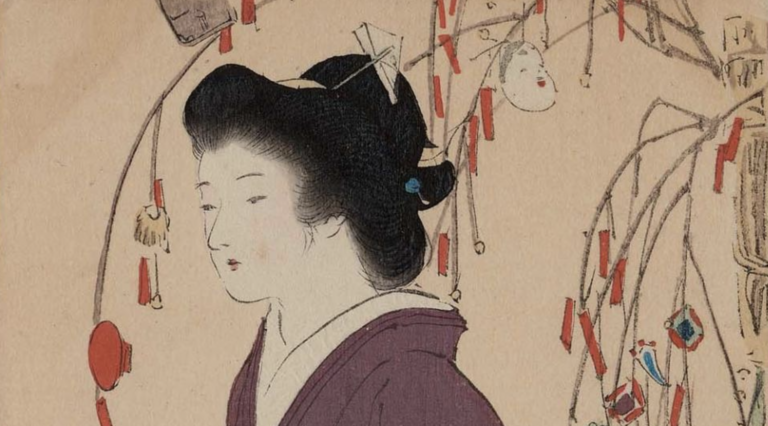
The world thinks of Japan as having transformed itself utterly after its defeat in the Second World War. And indeed it did, into what by the nineteen-eighties looked like a gleaming, technology-saturated condition of ultra-modernity. But the standard version of modernity, as conceived of in the early 20th century with its trains, telephones, and electricity, came to Japan long before the war did. “Between 1900 and 1940, Japan was transformed into an international, industrial, and urban society,” writes Museum of Fine Arts Boston curator Anne Nishimura Morse. “Postcards — both a fresh form of visual expression and an important means of advertising — reveal much about the dramatically changing values of Japanese society at the time.”
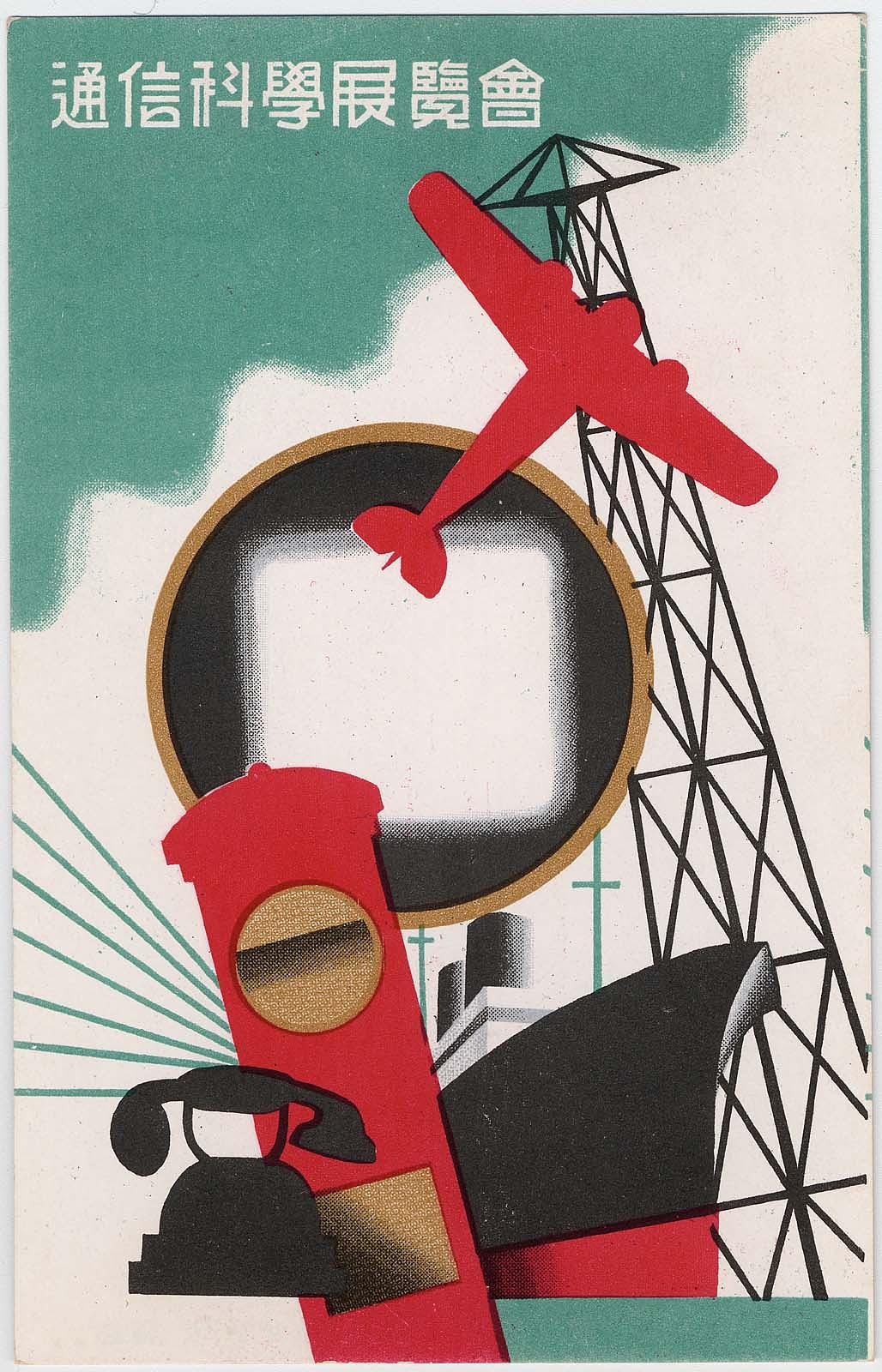
These words come from the introductory text to the MFA’s 2004 exhibition “Art of the Japanese Postcard,” curated from an archive you can visit online today. (The MFA has also published it in book form.) You can browse the vintage Japanese postcards in the MFA’s […]
|
|
|
No 90s band flew as low under that radar as Cambridge, Massachusetts three-piece Morphine. Too odd for nostalgia radio, not commercial enough to pop up on a modern soundtrack, Morphine either means nothing to you or, if you were in the right place at the right time, everything.
YouTube channel Rock n’ Roll True Stories would like more people to discover Morphine and their introduction video does an adequate job of stitching together interview quotes, band pics, and some daffy stock photography. The only thing missing: actual examples of their music. We’ll get to that in just a bit.
Morphine were somewhere between a rock band and a jazz trio. Led by Mark Sandman, the group consisted of drummers Jerome Deupree or Billy Conway, and saxophonist Dana Colley, with Sandman’s two-string bass front and center. “In a pop universe where every singer, guitarist, and keyboardist instinctively goes to a higher note to attract attention,” wrote the Washington Post at the time, “Morphine stays hunkered down low.”
httpv://www.youtube.com/watch?v=5XKgzWGGVVA
Live, Sandman mostly kept to his bass, but on their five albums, he also included homemade […]
|
No 90s band flew as low under that radar as Cambridge, Massachusetts three-piece Morphine. Too odd for nostalgia radio, not commercial enough to pop up on a modern soundtrack, Morphine either means nothing to you or, if you were in the right place at the right time, everything.
YouTube channel Rock n’ Roll True Stories would like more people to discover Morphine and their introduction video does an adequate job of stitching together interview quotes, band pics, and some daffy stock photography. The only thing missing: actual examples of their music. We’ll get to that in just a bit.
Morphine were somewhere between a rock band and a jazz trio. Led by Mark Sandman, the group consisted of drummers Jerome Deupree or Billy Conway, and saxophonist Dana Colley, with Sandman’s two-string bass front and center. “In a pop universe where every singer, guitarist, and keyboardist instinctively goes to a higher note to attract attention,” wrote the Washington Post at the time, “Morphine stays hunkered down low.”
Live, Sandman mostly kept to his bass, but on their five albums, he also included homemade […]
|
|
|
|
|
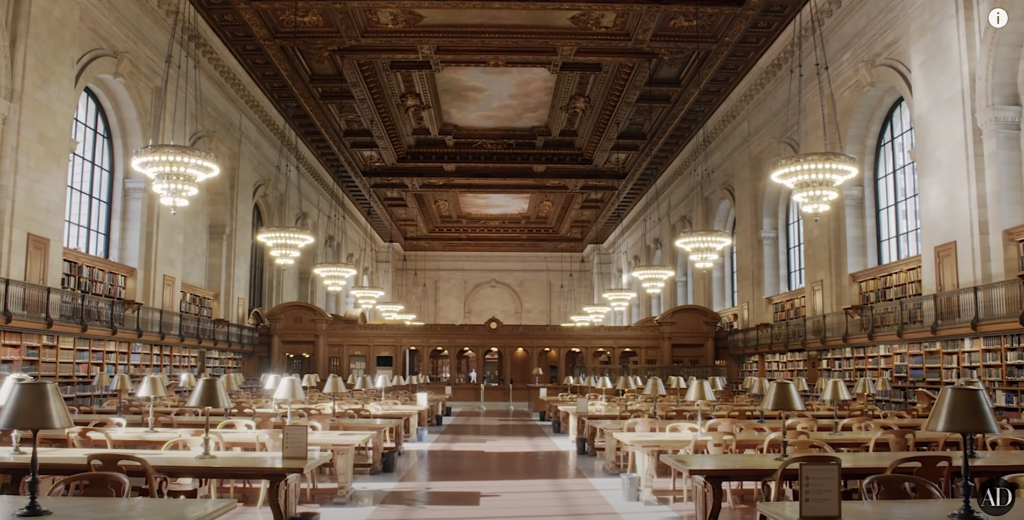
The New York Public Library opened in 1911, an age of magnificence in American city-building. Eighteen years before that, writes architect-historian Witold Rybczynski, “Chicago’s Columbian Exposition provided a real and well-publicized demonstration of how the unruly American downtown could be tamed though a partnership of classical architecture, urban landscaping, and heroic public art.” Modeled after Europe’s urban civilization, the “White City” built on the ground of the Columbian Exposition inspired a generation of American architects and planners including John Nolen, Frederick Law Olmsted, Jr., and John Carrère, co-designer of the New York Public Library.
Carrère appears in the Architectural Digest tour video of the NYPL building above — or at least his bust does, prominently placed as it is on the landing of one of the grand staircases leading up from the main entrance. The staircases are marble, as is much of else; when the NYPL opened after nine years of construction, so the tour’s narration informs us, it did so as the largest marble-clad structure in the country.
On the soundtrack we have not just one […]
|
|
|
|
|
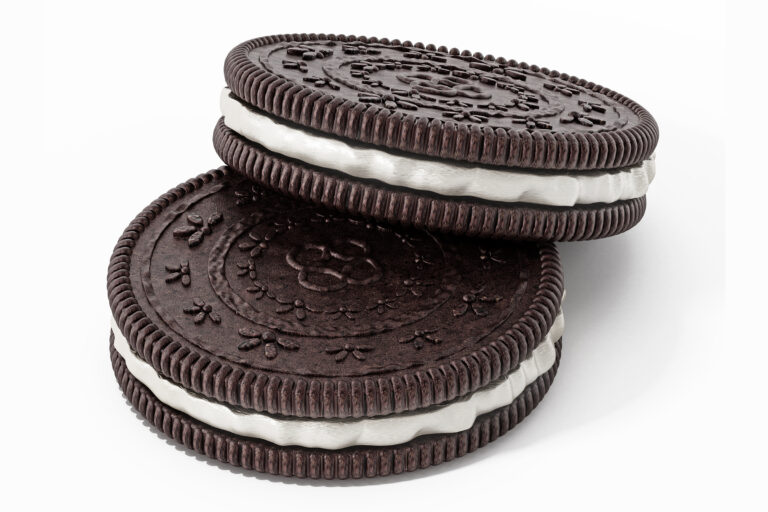
Despite having been around for well over a century, the Oreo cookie has managed to retain certain mysteries. Why, for example, does it never come apart evenly? Though different Oreo-eaters prefer different methods of Oreo-eating, an especially popular approach to the world’s most popular cookie involves twisting it open before consumption. That action produces two separate chocolate wafers, but as even kindergarteners know from long and frustrating experience, the crème filling sticks only to one side. It seems that no manual technique, no matter how advanced, can split the contents of an Oreo close to evenly, and only recently have a team of researchers at the Massachusetts Institute of Technology sought an explanation.
This endeavor necessitated an investigation of the Oreo’s rheology — the study of the flow of matter, especially liquids but also “soft solids” like crème filling. Like all scientific research, it involved intensive experimentation, and even the invention of a new measurement device: in this case, a simple 3D-printable “Oreometer” (seen in animated action above) that uses pennies and rubber bands.
With it the […]
|
|
|
|