|
Digest of new articles at openculture.com, your source for the best cultural and educational resources on the web ͏ ͏ ͏ ͏ ͏ ͏ ͏ ͏ ͏ ͏ ͏ ͏ ͏ ͏ ͏ ͏ ͏ ͏ ͏ ͏ ͏ ͏ ͏ ͏ ͏ ͏ ͏ ͏ ͏ ͏ ͏ ͏ ͏ ͏ ͏ ͏ ͏ ͏ ͏ ͏ ͏ ͏ ͏ ͏ ͏ ͏ ͏ ͏ ͏ ͏ ͏ ͏ ͏ ͏ ͏ ͏ ͏ ͏ ͏ ͏ ͏ ͏ ͏ ͏ ͏ ͏ ͏ ͏ ͏ ͏ ͏ ͏ ͏ ͏ ͏ ͏ ͏ ͏ ͏ ͏ ͏ ͏ ͏ ͏ ͏ ͏ ͏
|
|
The idea that the human species can be neatly bracketed into racial groups based on superficial characteristics like skin, hair, and eye color only developed in the 18th century, and mainly took root as a pseudo-scientific justification for slavery and colonialism. Central to that idea was the Classical Ideal of Beauty, a standard supposedly set by Greek and Roman statuary from antiquity. As beliefs in regional supremacy in Western Europe transformed in the modern era into “White” supremacy, the stark whiteness of antique statuary became a specific point of pride. But ancient people did not think in terms of race, and ancient sculptors never intended their creations to stand around in public without color. “For the ancient Greeks and Romans,” Elaine Velie writes at Hyperallergic, “white marble was not considered the final product, but rather a blank canvas.”
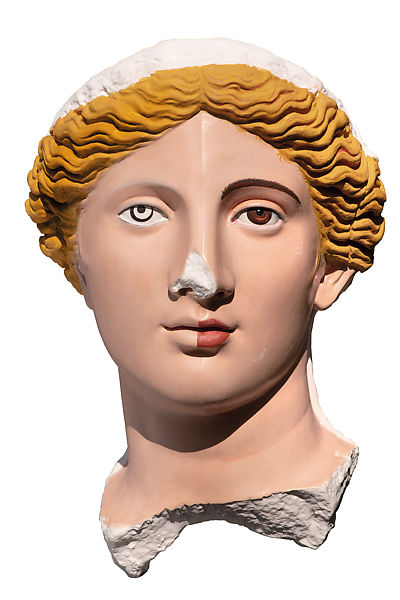
As Metropolitan Museum of Art curator Seán Hemingway says, “White supremacists have latched onto this idea of white sculpture — it’s not true but […]
|
|
|
|
|
Many trends in architecture and home design have come and gone over the past thirty years, and some have not spread as far as they might have. The green architectural movement in much of Asia, for example, in which skyscrapers practically drip with growing things, hasn’t caught on in congested cities in the West, and perhaps it never will. Granted, few urban areas have such concerns about air quality as cities in China where green buildings have taken hold recently — where 2/3rds of the population is slated to live in cities by 2050; and where a massive population boom in the last twenty years has required four to five million new buildings. But even if we don’t live in a burgeoning city with an urgent mandate to reduce carbon emissions for basic public health, it’s time for brand-new building standards everywhere.
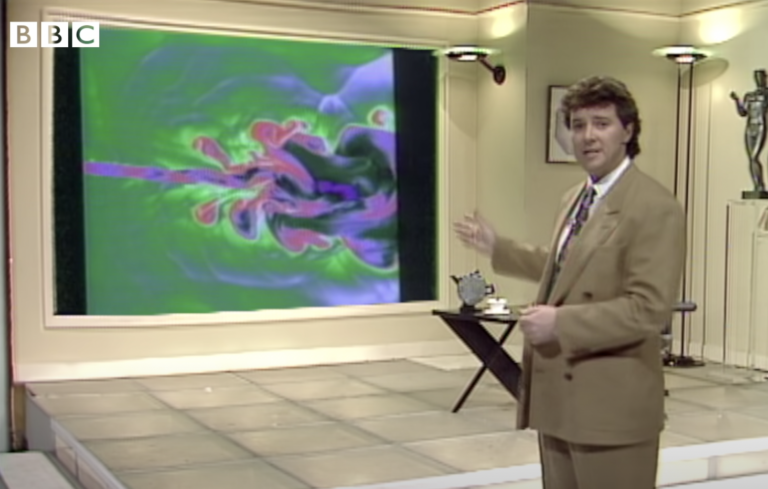
The creators of the 1989 BBC episode of Tomorrow’s World had a sense of environmental urgency, though it wasn’t first on their list of home improvements for the buildings of 2020. After casually wondering whether the homes of […]
|
|
|
|
|
We discuss the appeal of this Julian-Fellowes-penned British historical drama in light of the new film. Is this really “a new era” or just more of the same, and is that bad?
Your Pretty Much Pop host Mark Linsenmayer is joined by returning guest Jon Lamoreaux (host of The Hustle music podcast), plus a couple: former newscaster Corrinne MacLeod (whom Mark SCANDOLOUSLY went on one date with at age 12) and her husband, the photographer Michael MacLeod.
We talk about the excellent casting and how such a big cast gets juggled, the appeal of this particular historical setting, revolutions against the class system in the show, and the soapy plots. How can a film give us enough of such a big cast? We also touch on The Gilded Age, Bridgerton, Howard’s End, Gosford Park, The Great, Poldark, and more.
A few relevant articles we looked at include:
|
|
|
|
|
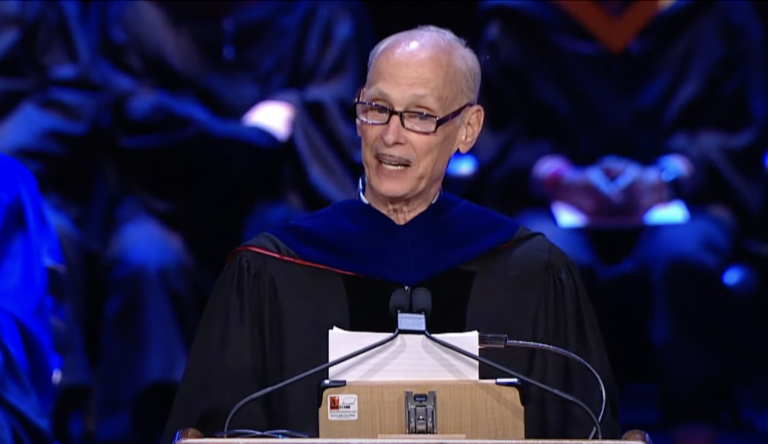
John Waters hasn’t made a movie in quite some time, but that doesn’t mean he’s gone quiet. In fact he’s remained as visible a cultural figure as ever by working in other forms: writing a new novel, acting on television, delivering commencement addresses. His dedication to that last pursuit is such that he even kept it up in 2020, at the height of the COVID-19 pandemic. That year he delivered his commencement speech for New York’s School of Visual Arts not at Radio City Music Hall, as scheduled, but in front of a green screen in Baltimore — which, of course, only enriched the Watersesque sensibility of the proceedings.
Having been forced into the role of “virtual keynote speaker,” Waters made up for it this year by delivering, in person, a make-up commencement address for the SVA classes of both 2020 and 2021. And he did it onstage at Radio City, a venue “known for family movies and the Rockettes. What the hell am I doing here?” As usual in this phase of his career, Waters expresses surprise to […]
|
|
|
|
|
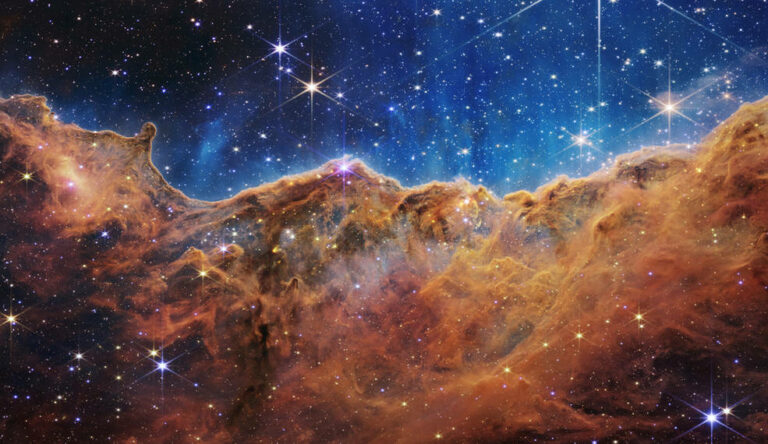
Late last year we featured the amazing engineering of the James Webb Space Telescope, which is now the largest optical telescope in space. Capable of registering phenomena older, more distant, and further off the visible spectrum than any previous device, it will no doubt show us a great many things we’ve never seen before. In fact, it’s already begun: earlier this week, NASA’s Goddard Space Flight Center released the first photographs taken through the Webb telescope, which “represent the first wave of full-color scientific images and spectra the observatory has gathered, and the official beginning of Webb’s general science operations.”
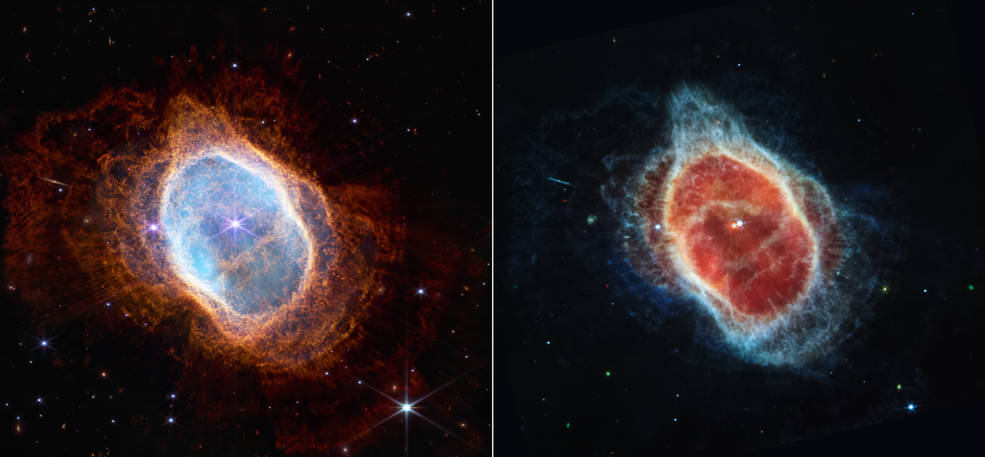
The areas of outer space depicted in unprecedented detail by these photos include the Carina Nebula (top), the Southern Ring Nebula (2nd image on this page), and the galaxy clusters known as Stephan’s Quintet (the home of the angels in It’s a Wonderful Life) and SMACS 0723 (bottom).
That last, notes Petapixel’s Jaron Schneider, “is the highest resolution photo of deep space that has ever […]
|
|
|
|