|
Digest of new articles at openculture.com, your source for the best cultural and educational resources on the web ͏ ͏ ͏ ͏ ͏ ͏ ͏ ͏ ͏ ͏ ͏ ͏ ͏ ͏ ͏ ͏ ͏ ͏ ͏ ͏ ͏ ͏ ͏ ͏ ͏ ͏ ͏ ͏ ͏ ͏ ͏ ͏ ͏ ͏ ͏ ͏ ͏ ͏ ͏ ͏ ͏ ͏ ͏ ͏ ͏ ͏ ͏ ͏ ͏ ͏ ͏ ͏ ͏ ͏ ͏ ͏ ͏ ͏ ͏ ͏ ͏ ͏ ͏ ͏ ͏ ͏ ͏ ͏ ͏ ͏ ͏ ͏ ͏ ͏ ͏ ͏ ͏ ͏ ͏ ͏ ͏ ͏ ͏ ͏ ͏ ͏ ͏
|
|
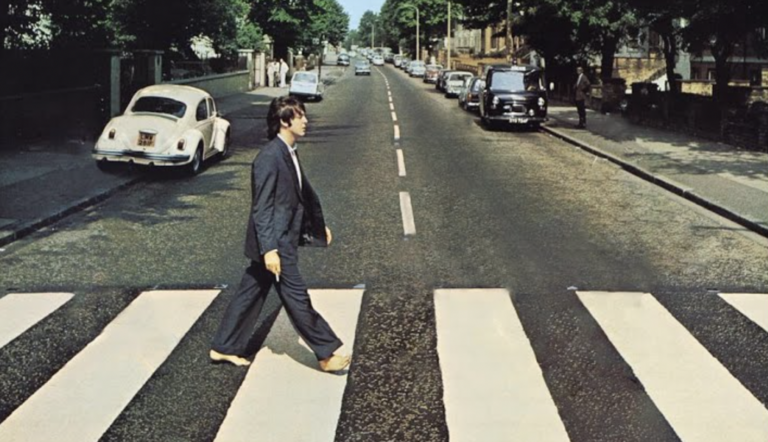
In addition to playing the beating human heart on the Beatles’ glorious swan song Abbey Road, Paul McCartney’s bass provides melodic accompaniment, harmony, counterpoint, emphasis… and sometimes it just sings a little tune up and down the neck, the sort of thing a bass player can turn into needless showboating in rock and roll.
That’s not at all the case on “Something,” where McCartney runs, slides, and bounces through the guitar solo, a moment when a support player might conserve his musical energy…. McCartney totally goes for it, as he does on every song, Fender amps pushed into overdrive through Abbey Road Studio’s famous compressors.
Go on… put your LP on the Hi-Fi and listen to the way he swings on “Oh! Darling,” how he anchors “Maxwell’s Silver Hammer” so heavily he almost makes Ringo’s bass drum redundant (but it isn’t), how he bounces through Ringo’s “Octopus’s Garden” with an exaggerated music hall lilt, then, in the bridge, obliquely turns the song into an almost fuzzed-out rocker.
Do I even need to mention “Come Together”….? Do we need to talk about Side 2?
“Ngl,” writes […]
|
|
|
|
|
If only we could have had a teacher as insightful as Sir Ian McKellen explain some Shakespeare to us at an impressionable age.
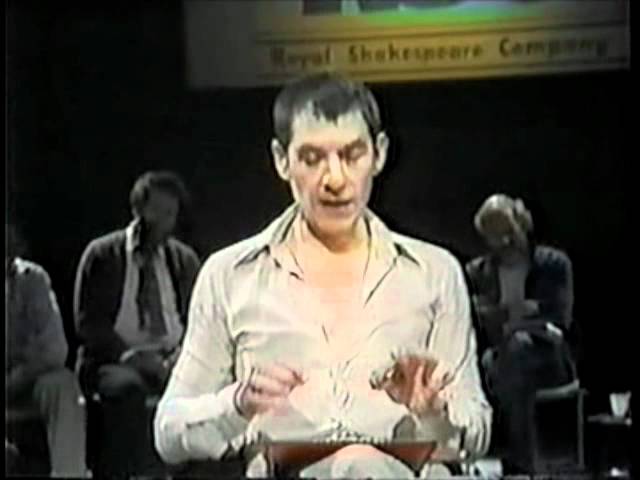
Above, a 38-year-old McKellen breaks down Macbeth’s famous final soliloquy as part of a 1978 master class in Acting Shakespeare.
He makes it clear early on that relying on Iambic pentameter to convey the meaning of the verse will not cut it.
Instead, he calls upon actors to apply the power of their intellect to every line, analyzing metaphors and imagery, while also noting punctuation, word choice, and of course, the events leading up to the speech.
In this way, he says, “the actor is the playwright and the character simultaneously.”
McKellen was, at the time, deeply immersed in Macbeth, playing the title role opposite Judi Dench in a bare bones Royal Shakespeare Company production that opened in the company’s Stratford studio before transferring to the West End. As McKellen recalled in a longer meditation on the trickiness of staging this particular tragedy:
It was beautifully done on the cheap in The Other Place, […]
|
|
|
|
|
On Substack, starting on May 3 and ending on November 7, Studio Kirkland is running a project called Daily Dracula, where you can get Dracula delivered to your email inbox, in small chunks. They write:
Bram Stoker’s Dracula is an epistolary novel – it’s made up of letters, diaries, telegrams, newspaper clippings – and every part of it has a date. The whole story happens between May 3 and November 10. So: Dracula Daily will post a newsletter each day that something happens to the characters, in the same timeline that it happens to them.
Sign up here.
via Boing Boing
Related Content
Horror Legend Christopher Lee Reads Bram Stoker’s Dracula
Watch Nosferatu, the Seminal Vampire Film, Free Online (1922)
Christopher Lee Reads Five Horror Classics: Dracula, Frankenstein, The Phantom of the Opera & More
|
|
|
|
|
The practice of cultivating mindfulness through meditation first took root in Europe and the U.S. in the 1960s, when Buddhist teachers from Japan, Tibet, Vietnam, and elsewhere left home, often under great duress, and taught Western students hungry for alternative forms of spirituality. Though popularized by countercultural figures like Alan Watts and Allen Ginsberg, the practice didn’t seem at first like it might reach those who seemed to need it most — stressed out denizens of the corporate world and military industrial complex who hadn’t changed their consciousness with mind-altering drugs, or left the culture to become monastics.
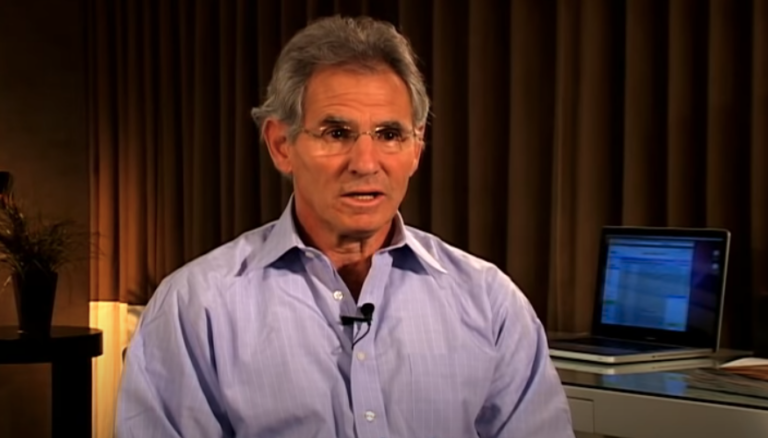
Then professor of medicine Jon Kabat-Zinn came along, stripped away religious and new age contexts, and began redesigning mindfulness for the masses in 1979 with his mindfulness-based stress reduction (MBSR) program. Now everyone knows, or thinks they know, what mindfulness is. As meditation teacher Lokadhi Lloyd tells The Guardian, Kabat-Zinn is “Mr Mindfulness in relation to our secular strand. Without him, I don’t think mindfulness would have risen to the prominence it has.”
His secularization of mindfulness, however, has not, in […]
|
|
|
|
|
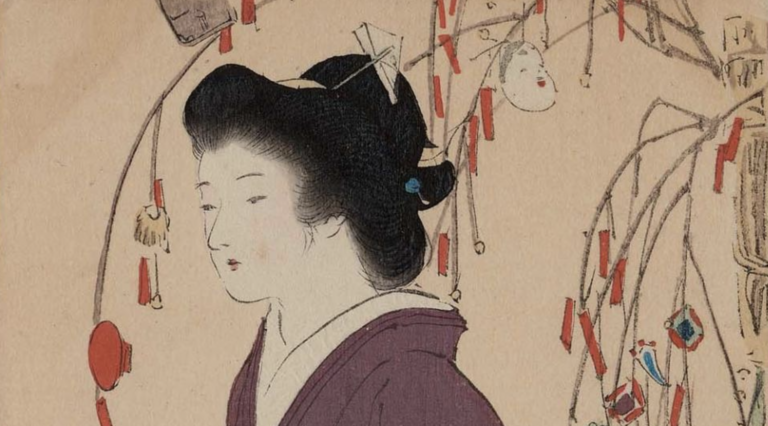
The world thinks of Japan as having transformed itself utterly after its defeat in the Second World War. And indeed it did, into what by the nineteen-eighties looked like a gleaming, technology-saturated condition of ultra-modernity. But the standard version of modernity, as conceived of in the early 20th century with its trains, telephones, and electricity, came to Japan long before the war did. “Between 1900 and 1940, Japan was transformed into an international, industrial, and urban society,” writes Museum of Fine Arts Boston curator Anne Nishimura Morse. “Postcards — both a fresh form of visual expression and an important means of advertising — reveal much about the dramatically changing values of Japanese society at the time.”
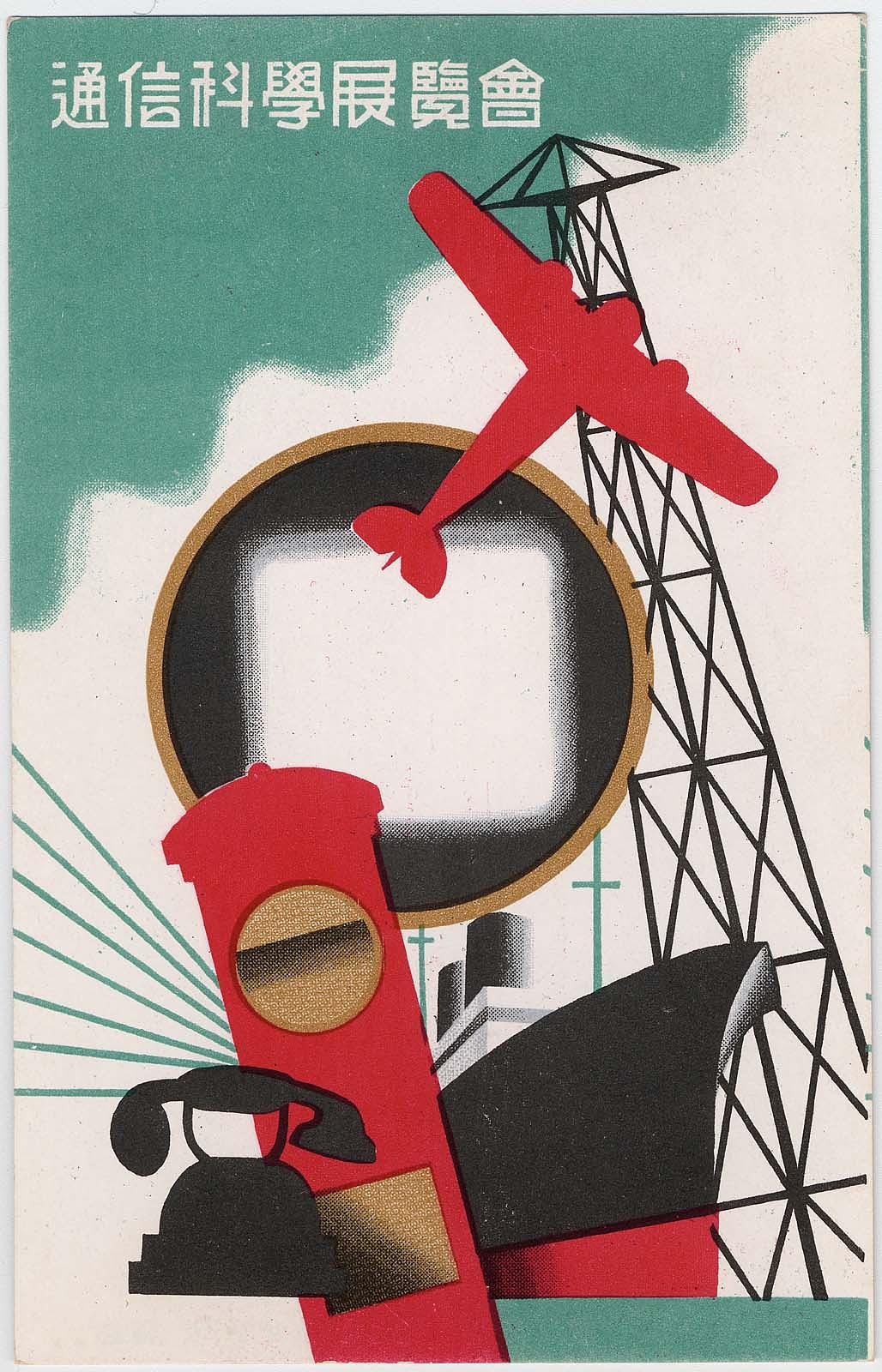
These words come from the introductory text to the MFA’s 2004 exhibition “Art of the Japanese Postcard,” curated from an archive you can visit online today. (The MFA has also published it in book form.) You can browse the vintage Japanese postcards in the MFA’s […]
|
|
|
|