|
Digest of new articles at openculture.com, your source for the best cultural and educational resources on the web ͏ ͏ ͏ ͏ ͏ ͏ ͏ ͏ ͏ ͏ ͏ ͏ ͏ ͏ ͏ ͏ ͏ ͏ ͏ ͏ ͏ ͏ ͏ ͏ ͏ ͏ ͏ ͏ ͏ ͏ ͏ ͏ ͏ ͏ ͏ ͏ ͏ ͏ ͏ ͏ ͏ ͏ ͏ ͏ ͏ ͏ ͏ ͏ ͏ ͏ ͏ ͏ ͏ ͏ ͏ ͏ ͏ ͏ ͏ ͏ ͏ ͏ ͏ ͏ ͏ ͏ ͏ ͏ ͏ ͏ ͏ ͏ ͏ ͏ ͏ ͏ ͏ ͏ ͏ ͏ ͏ ͏ ͏ ͏ ͏ ͏ ͏
|
|
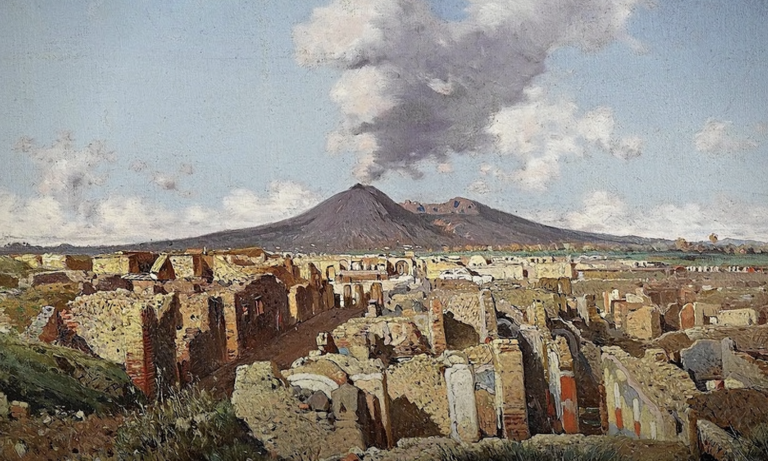
We’re still learning what happened in Pompeii in 79 AD. In the broad sense, of course, we know exactly what happened: the volcano Mount Vesuvius erupted, overwhelming the city (as well as Herculaneum) with heat and entombing it in ash. But what exactly was going on in Pompeii’s last days? Absent the power of time travel, we can never know for sure. But the disaster that ended the life of Pompeii also preserved that life more or less as it was, resulting in a harrowing snapshot made of ruins and remains uncommonly intact by the standards of ancient Rome. It is to Mount Vesuvius that we thus owe a good deal of our knowledge about the texture of everyday life in the Roman Empire.
History Youtuber Garrett Ryan explains all this in a new three-part miniseries, which consists of the videos “The Last Morning in Pompeii,” “The Night Pompeii Died,” and “The Victims of Vesuvius.” We’ve previously featured Ryan’s channel Told in Stone here on Open Culture for its episodes on subjects like ancient Roman aqueducts and […]
|
|
|
|
|
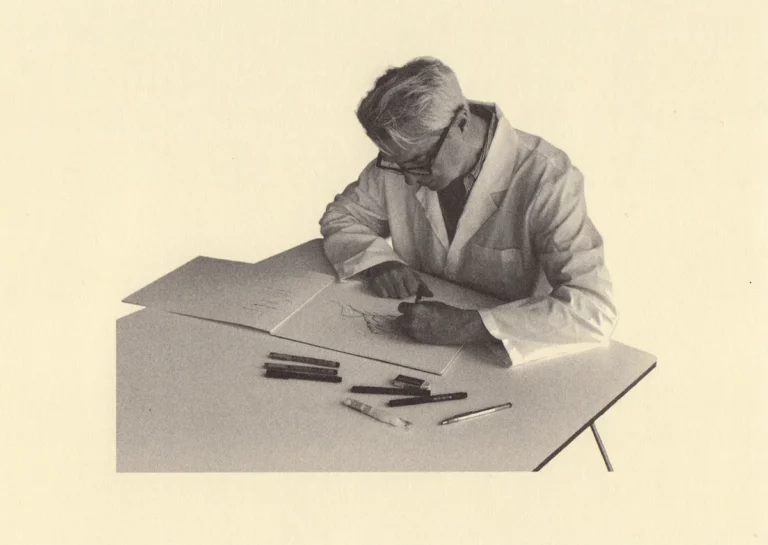
What does David Byrne know about the history of the world in his new book A History of the World (in Dingbats)? As much as he knows about psycho killers, burning down houses, and “non-rational logic,” the subject of a show at New York’s Pace Gallery this past February featuring elaborate doodles Byrne calls “dingbats.” That is to say, he knows quite a lot about the history of the world. Or maybe, it hardly matters. “Burning Down the House” is not really about arson.
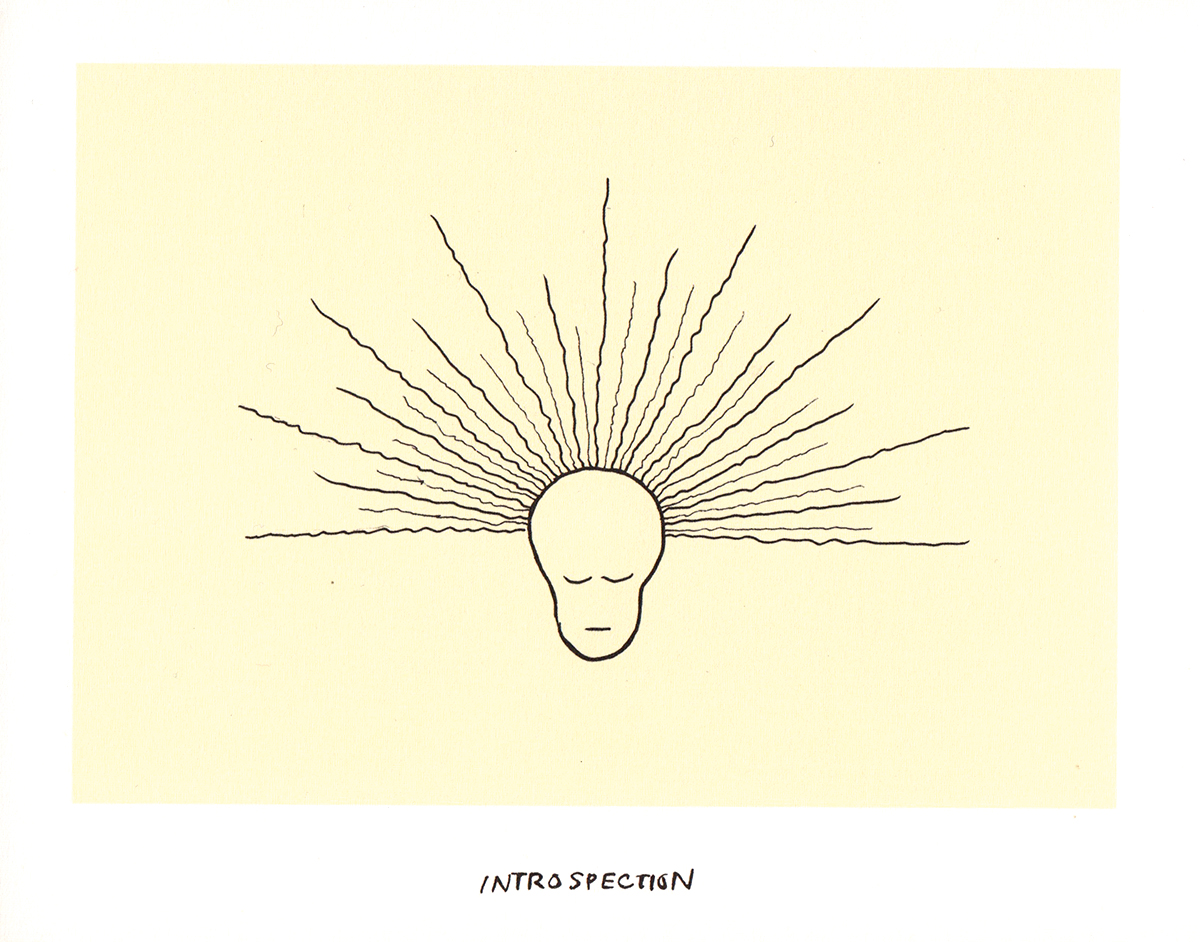
The new book presents us, instead of history, with a “cross between Codex Seraphinianus and E.E. Cumming’s little-known philosophical line drawings,” Maria Popova writes at The Marginalian. It is a work of the hopefulness of imagination; a statement about how “non-rational logic” can shape reality.
“The way things were,” Byrne writes, “the way we made things, it turns out, none of it was inevitable — none of it is the way things have to be.” Popova calls the project […]
|
|
|
|
|
For a twenty-first-century television fan, watching old network sitcoms can take some getting used to. Nothing about them takes more getting used to than their laugh tracks, which must strike anyone who didn’t grow up hearing them as utterly bizarre. But was it really so long ago that we took for granted — nay, expected — an eruption of pre-recorded laughter after each and every punch line? As late as the nineteen-nineties, even sitcoms well-regarded for their sophistication and subversiveness added “canned laughter” to their soundtracks. Take Seinfeld, the show famously “about nothing,” scenes from one of whose episodes you can watch without a laugh track in the video above.
The episode in question is one of Seinfeld‘s best-known: “The Soup Nazi,” originally broadcast on NBC on November 2, 1995. These scenes portray Jerry, George and Elaine’s encounters with the title figure, a harsh soup-restaurant proprietor based on Ali “Al” Yeganeh, owner of Soup Kitchen International in New York. (Unaware of the character’s real-life counterpart, actor Larry Thomas based his performance on that of Omar Sharif in Lawrence of Arabia.)
With the laugh […]
|
|
|
|
|
…I would like not to underestimate the value of the world view which is the result of scientific effort. We have been led to imagine all sorts of things infinitely more marvelous than the imaginings of poets and dreamers of the past.
– Richard Feynman
In 1955, theoretical physicist Richard Feynman gave a talk on the value of science to members of the National Academy of Sciences at at Caltech University.
In the wake of the destruction of Hiroshima and Nagasaki, his involvement with the Manhattan Project had been cause for serious depression and soul searching.
He concluded that the pursuit of scientific knowledge remained valuable to society, even though such knowledge comes without operating instructions, and thus can be put to evil purposes.
In the Caltech speech, he cited the life improving technological and medical breakthroughs that are the result of scientific explorations, as well as the scientific field’s allegiance to the concept that we must be free to dissent, question, and discuss:
If we suppress all discussion, all criticism, proclaiming “This […]
|
|
|
|
|
Self-improvement is a wonderful thing, and we obviously embrace the idea here at Open Culture. But corporate leadership trainings and self-help seminars can often serve to break people down rather than build them up. The cult-like mentality one finds in such environs should not surprise us: 1 in 5 business leaders have “psychopathic tendencies”; many self-help gurus actually do become — or start out as — narcissistic cult leaders. In the short film above by filmmaker Joey Izzo we see one corporate leadership training course that immediately devolved into a nightmarish scene of abuse and humiliation.
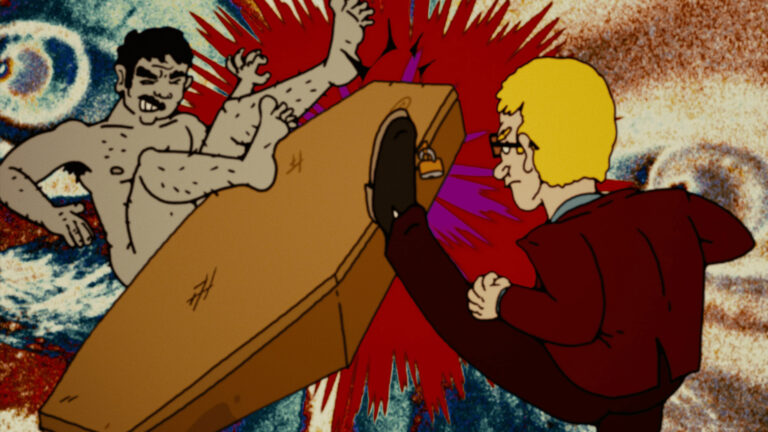
Based on an interview with Gene Church — a participant in the 1970 four-day leadership seminar in Palo Alto, California — the film mixes animation, photography, and dramatic recreations filmed in 16mm, portraying “an unconventional Mind Dynamics class where participants were forced to find a ‘moment of truth’ through a number of degrading and often violent acts,” writes Rob Munday at Short of the Week.
Participants of the men-only encounter group each paid $1000 for the privilege. All of them were distributers of a […]
|
|
|
|