|
| |

|
When Konrad von Megenberg published his Buch der Natur in the mid-fourteenth century, he won the distinction of having assembled the very first natural history in German. More than half a millennium later, the book still fascinates — not least for its depictions of cats, previously featured here on Open Culture.…
|
|
|
|
| |
|
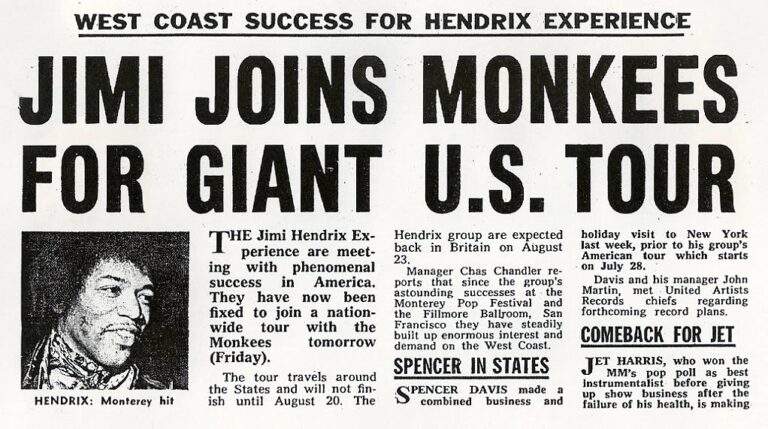
It’s easy to dismiss The Monkees. Critics and listeners have been doing it since the sixties, although the band has also come in for its share of reappraisals, particularly for their psych-rock album Head. (That’s the soundtrack from the 1968 Jack Nicholson-directed art film of the same name: “One of the…
|
|
|
|
| |

|
Apart from his comedic, dramatic, and literary endeavors, Stephen Fry is widely known for his avowed technophilia. He once wrote a column on that theme, “Dork Talk,” for the Guardian, in whose inaugural dispatch he laid out his credentials by claiming to have been the owner of only the second Macintosh computer sold in…
|
|
|
|
| |
|
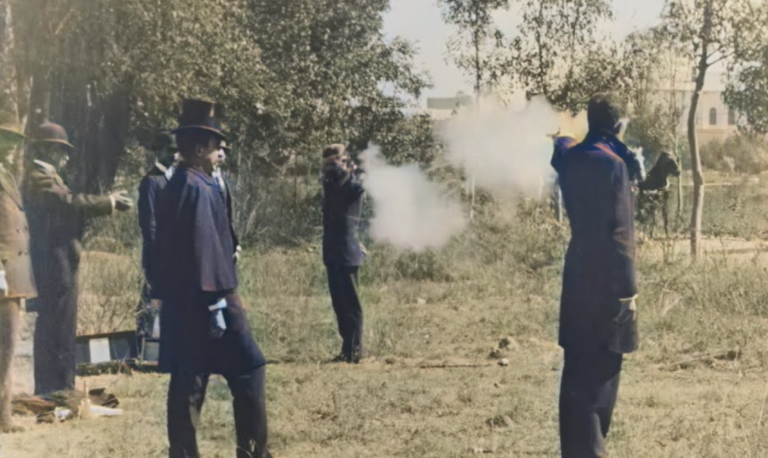
One sometimes hears lamented the tendency of movies to depict Mexico — and in particular, its capital Mexico City — as a threatening, rough-and-tumble place where human life has no value. Such concerns turn out to be nearly as old as cinema itself, having first been raised in response to a roughly thirty-second-long film called
|
|
|
|
| |
|
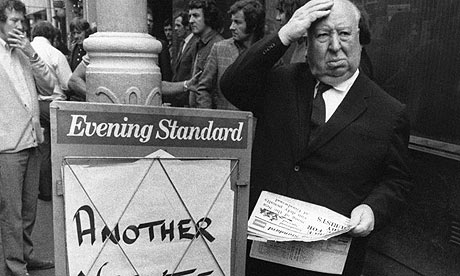
Early in his career, Alfred Hitchcock began making small appearances in his own films. The cameos sometimes lasted just a few brief seconds, and sometimes a little while longer. Either way, they became a signature of Hitchcock’s filmmaking, and fans made a sport of seeing whether they could spot the elusive director. From 1927 to…
|
|
|
|