|
Jean-Paul Sartre Rejects the Nobel Prize in Literature in 1964: “It Was Monstrous!”, The Steampunk Clocks of 19th-Century Paris: Discover the Ingenious System That Revolutionized Timekeeping in the 1880s
|
| |
|
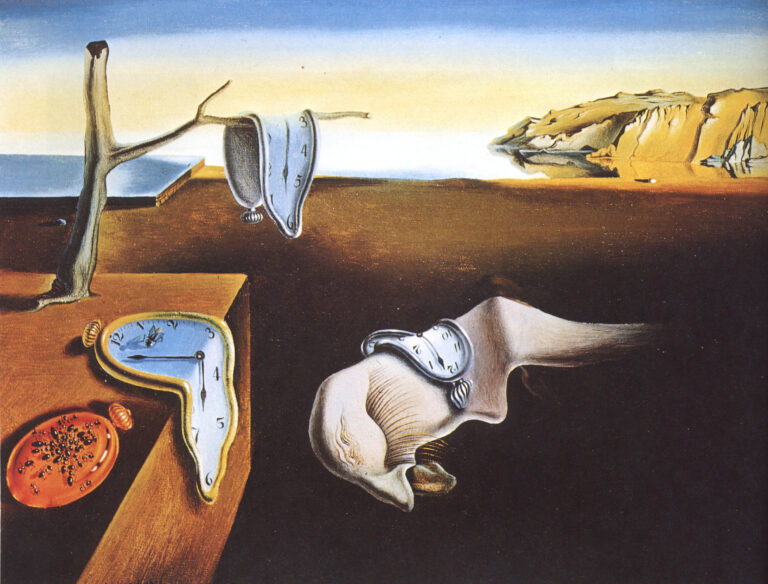
Before his signature works like The Atrocity Exhibition, Crash, and High-Rise, J. G. Ballard published three apocalyptic novels, The Drowned World, The Burning World, and The Crystal World. Each of those books offers a different vision of large-scale environmental disaster, and the last even provides a clue as to its inspiration. Or…
|
|
|
|
| |
|
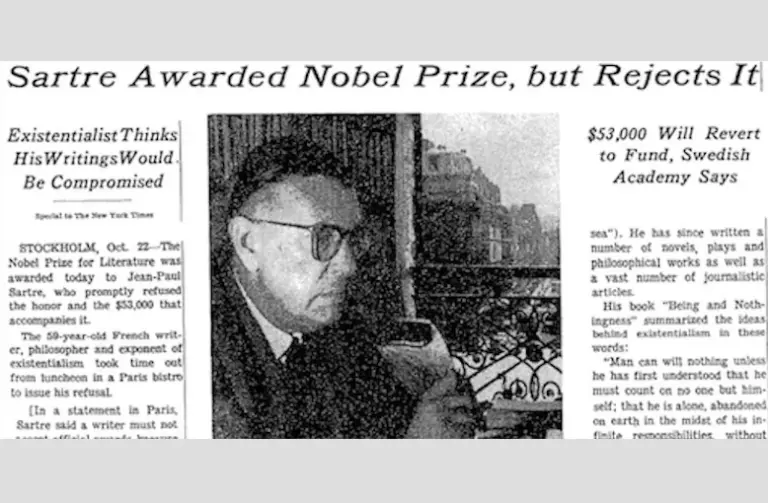
In a 2013 blog post, the great Ursula K. Le Guin quotes a London Times Literary Supplement column by a “J.C.,” who satirically proposes the “Jean-Paul Sartre Prize for Prize Refusal.” “Writers all over Europe and America are turning down awards in the hope of being nominated for a Sartre,” writes J.C., “The Sartre…
|
|
|
|
| |
|
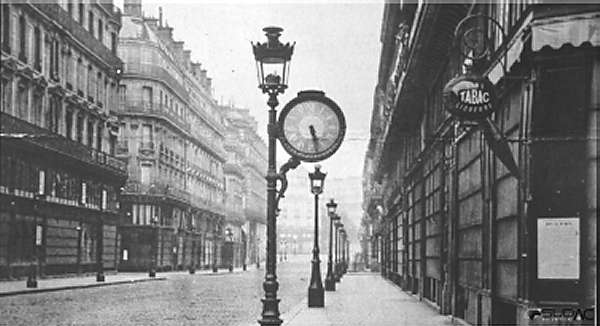
A middle-class Parisian living around the turn of the twentieth century would have to budget for services like not just water or gas, but also time. Though electric clocks had been demonstrated, they were still a high-tech rarity; installing one in the home would have been completely out of the question. If you wanted to…
|
|
|
|
| |
|
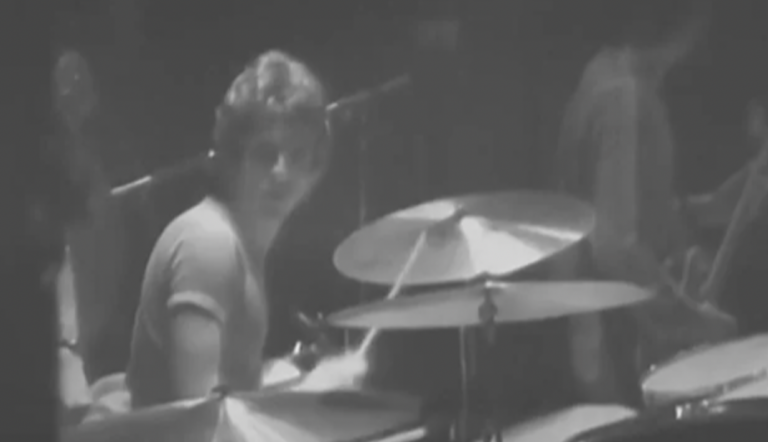
In November 1973, Scot Halpin, a 19-year-old kid, scalped tickets to The Who concert in San Francisco, California. Little did he know that he’d wind up playing drums for the band that night — that his name would end up etched in the annals of rock ’n’ roll.
The Who came to California with its album
|
|
|
|
| |
|
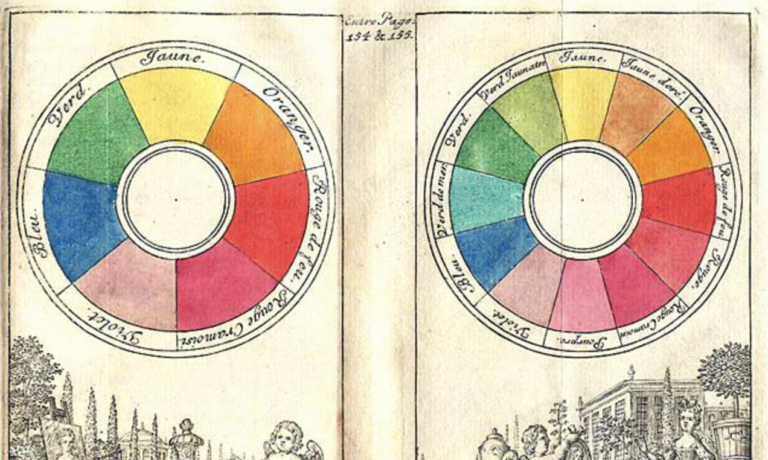
We live in an age, we’re often told, when our ability to conjure up an image is limited only by our imagination. These days, this notion tends to refer to artificial intelligence-powered systems that generate visual material from text prompts, like DALL‑E and the many others that have proliferated in its wake.…
|
|
|
|