|
How Filmmakers Make Cameras Disappear: Mirrors in Movies, The Medieval Masterpiece, the Book of Kells, Is Now Digitized and Available Online ͏ ͏ ͏ ͏ ͏ ͏ ͏ ͏ ͏ ͏ ͏ ͏ ͏ ͏ ͏ ͏ ͏ ͏ ͏ ͏ ͏ ͏ ͏ ͏ ͏ ͏ ͏ ͏ ͏ ͏ ͏ ͏ ͏ ͏ ͏ ͏ ͏ ͏ ͏ ͏ ͏ ͏ ͏ ͏ ͏ ͏ ͏ ͏ ͏ ͏ ͏ ͏ ͏ ͏ ͏ ͏ ͏ ͏ ͏ ͏
|
| |
|
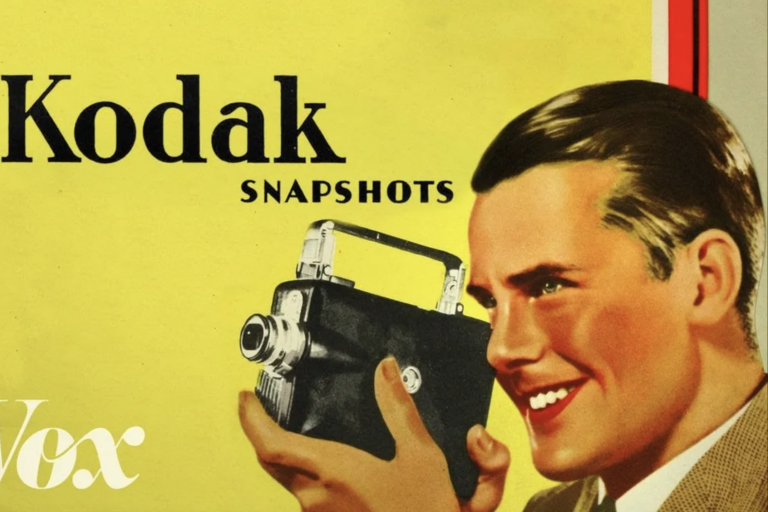
We still occasionally speak of “Kodak moments,” making conscious or unconscious reference to the slogan of the Eastman Kodak Company in the nineteen-eighties. Even by that time, Kodak had already been a going concern for nearly a century, furnishing photographers around the world with the film they needed to capture images. Its very first slogan,…
|
|
|
|
| |
|
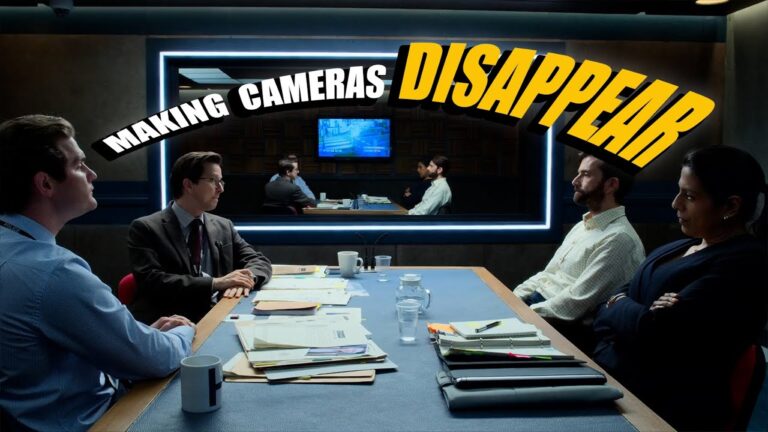
If you’ve never tried your hand at filmmaking, you might assume that its hardest visual challenges are the creation of effects-laden spectacles: starships duking it out in space, monsters stomping through major cities, animals speaking and dancing like Broadway stars, that sort of thing. But consider the challenge posed by simply capturing a scene set…
|
|
|
|
| |
|
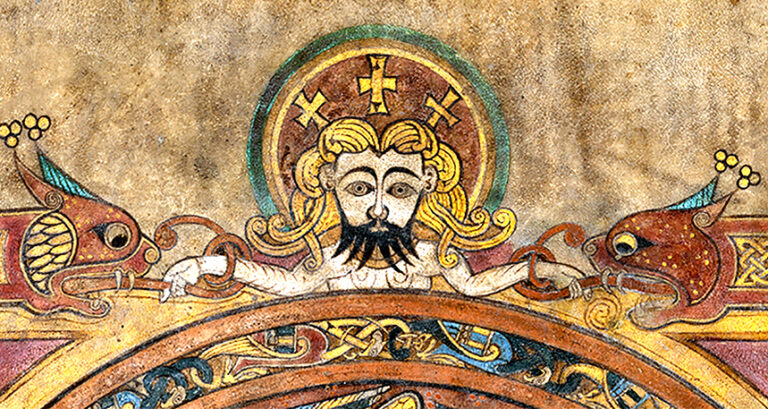
If you know nothing else about medieval European illuminated manuscripts, you surely know the Book of Kells. “One of Ireland’s greatest cultural treasures” comments Medievalists.net, “it is set apart from other manuscripts of the same period by the quality of its artwork and the sheer number of illustrations that run throughout the 680…
|
|
|
|
| |

|
For most musicians, a long-lost song written in their teenage years would be of interest only to serious fans — and even then, probably more for biographical reasons than as a standalone piece of work. But that’s hardly the case for Wolfgang Amadeus Mozart, who was composing advanced music at the age of five,…
|
|
|
|