|
| |

|
A little over four years ago, we featured here on Open Culture a set of realistic images of people who don’t actually exist. They were, as we would now assume, wholly generated by an artificial-intelligence system, but back in 2018, there were still those who doubted that such a thing could be done without…
|
|
|
|
| |

|
When architectural historian Reyner Banham wrote Los Angeles: The Architecture of Four Ecologies (1971), quite possibly the most influential book published about the Southern Californian metropolis, he saw fit to dismiss the center of the city with what he called “a note on downtown.” He concedes that it has its landmarks, like the Cathedral…
|
|
|
|
| |
|
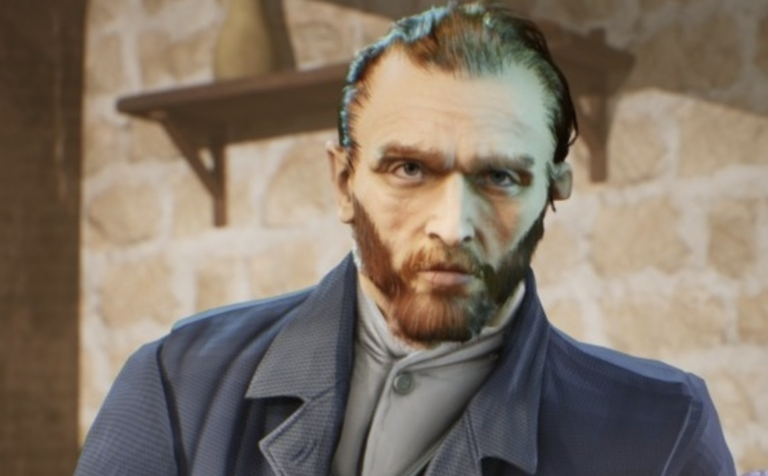
If you attend the “Van Gogh in Auvers-sur-Oise” exhibition at the Musée D’Orsay, in Paris, you can spend time with “Hello Vincent,” a generative Artificial Intelligence project that allows visitors to have “a unique, personalized encounter” with Vincent van Gogh. According to CBS Sunday Morning, whose report we’ve included above, “Hello Vincent” allows…
|
|
|
|
| |

|
In the Buddhist Asia of a dozen centuries ago, the equivalent of going off to study at an Ivy League school was going off to study at Nalanda. It was founded in the year 427 in what’s now the Indian state of Bihar, making it “the world’s first residential university,” as Sugato Mukherjee writes…
|
|
|
|
| |
|
“One pill makes you larger and one pill makes you small…”
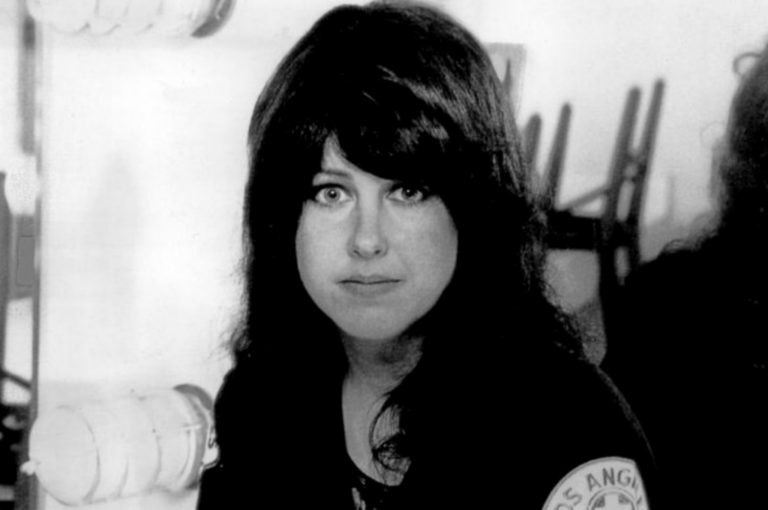
Sometime in the summer of 2016, this isolated track of Grace Slick’s vocals for “White Rabbit”–probably the most famous Jefferson Airplane song and definitely one of the top ten psychedelic songs of the late ‘60s–popped up YouTube. As these things go, nobody…
|
|
|
|