|
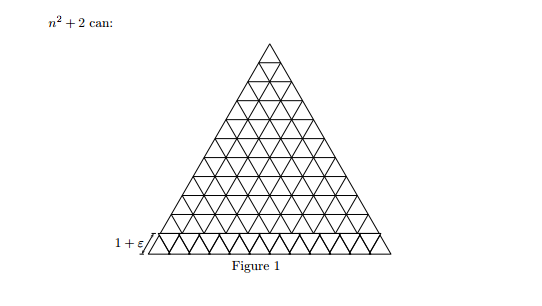
How Steven Soderbergh Directs a Scene & Makes It Great, The World Record for the Shortest Math Article: 2 Words ͏ ͏ ͏ ͏ ͏ ͏ ͏ ͏ ͏ ͏ ͏ ͏ ͏ ͏ ͏ ͏ ͏ ͏ ͏ ͏ ͏ ͏ ͏ ͏ ͏ ͏ ͏ ͏ ͏ ͏ ͏ ͏ ͏ ͏ ͏ ͏ ͏ ͏ ͏ ͏ ͏ ͏ ͏ ͏ ͏ ͏ ͏ ͏ ͏ ͏ ͏ ͏ ͏ ͏ ͏ ͏ ͏ ͏ ͏ ͏ ͏ ͏ ͏ ͏ ͏ ͏ ͏ ͏ ͏ ͏ ͏ ͏ ͏ ͏ ͏ ͏ ͏ ͏ ͏ ͏ ͏ ͏ ͏ ͏ ͏
|
| |
|
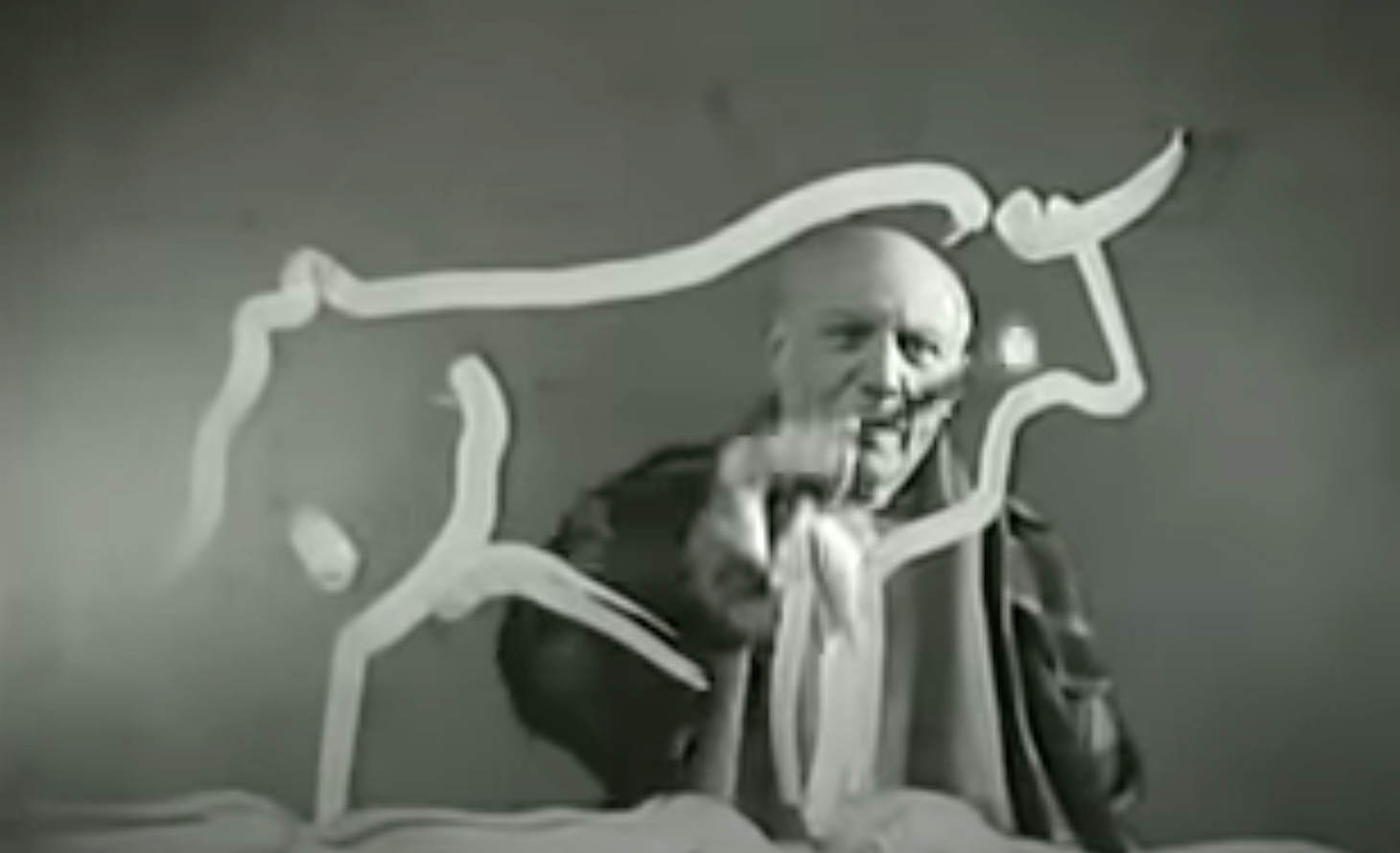
Pablo Picasso was born not long before the invention of the motion picture. With a different set of inclinations, he might have become one of the most daring pioneers of that medium. Instead, as we know, he mastered and then practically reinvented the much older art form of painting. That said, cinema did seem to have been fascinated by both Picasso’s work and the man himself. He made a cameo appearance in Jean Cocteau’s Testament of Orpheus in 1960, a few years after playing the title role in Henri-Georges Clouzot’s documentary Le Mystère Picasso. The short clip from the latter above shows how Picasso could create an expressive face with just a few strokes of a pen.
httpv://www.youtube.com/watch?v=Nxes8pyHkJc
By the time he made Le Mystère Picasso, Clouzot was already well established as a director of elevated genre films, having just made Le salaire de la peur or (The Wages of Fear) and Les diaboliques (or Diabolique), which would turn out to be one of his defining works.
To filmgoers following his career, it may have come as a surprise to see […]
|
|
|
|
| |
|
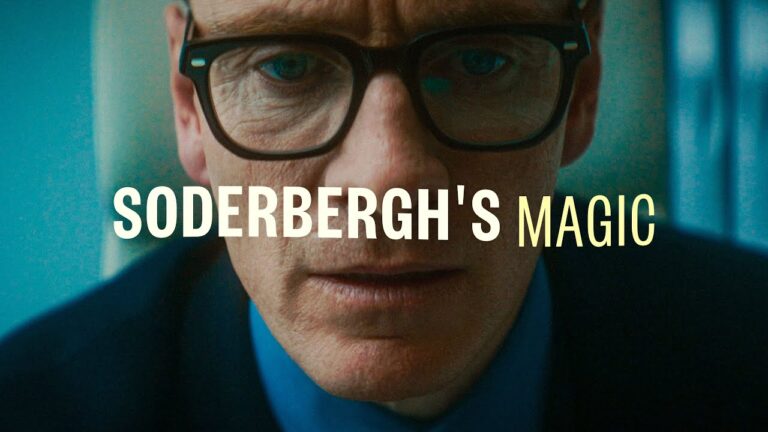
Steven Soderbergh was one of the earliest filmmakers to break out in what’s now called the “Indiewood” movement of the nineteen-nineties. He was early enough, in fact, to have done so in the eighties, with the Palme d’Or-winning Sex, Lies, and Videotape. His subsequent films have been many and varied, even more so than those…
|
|
|
|
| |
|
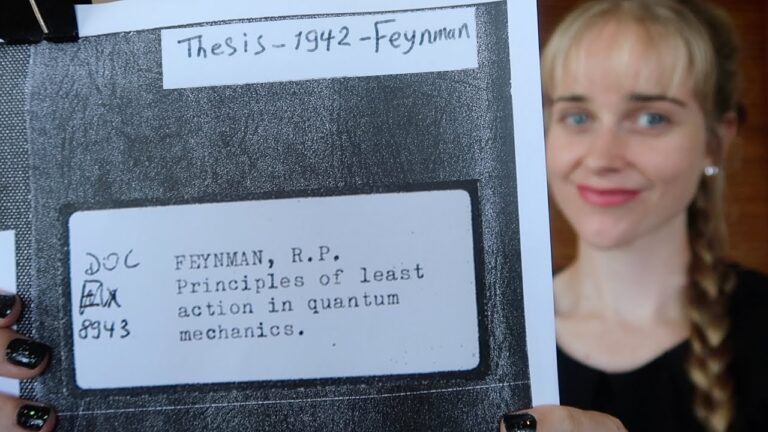
Raise your children with a love of science, and there’s a decent chance they’ll grow up wanting to be like Richard Feynman, Marie Curie, Albert Einstein, or any number of other famous scientists from history. Luckily for them, they won’t yet have learned that the pursuit of such a career will almost certainly entail…
|
|
|
|
| |
|
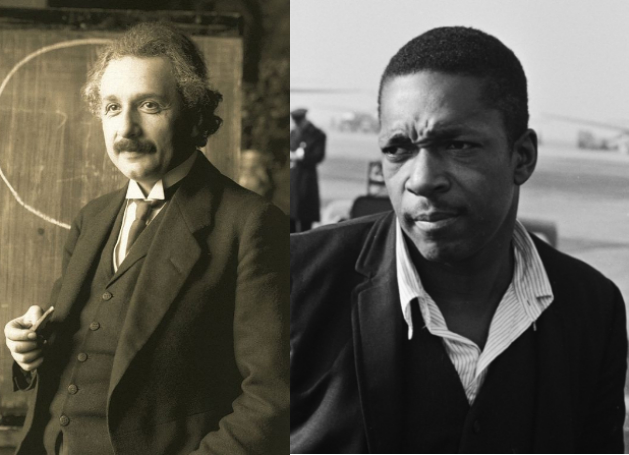
Scientists need hobbies. The grueling work of navigating complex theory and the politics of academia can get to a person, even one as laid back as Brown University professor and astrophysicist Stephon Alexander. So Alexander plays the saxophone, though at this point it may not be accurate to call his avocation a spare time…
|
|
|
|