|
A Behind-the-Scenes Tour of NPR’s Tiny Desk Concert, The Entire History of English in 22 Minutes ͏ ͏ ͏ ͏ ͏ ͏ ͏ ͏ ͏ ͏ ͏ ͏ ͏ ͏ ͏ ͏ ͏ ͏ ͏ ͏ ͏ ͏ ͏ ͏ ͏ ͏ ͏ ͏ ͏ ͏ ͏ ͏ ͏ ͏ ͏ ͏ ͏ ͏ ͏ ͏ ͏ ͏ ͏ ͏ ͏ ͏ ͏ ͏ ͏ ͏ ͏ ͏ ͏ ͏ ͏ ͏ ͏ ͏ ͏ ͏ ͏ ͏ ͏ ͏ ͏ ͏ ͏ ͏ ͏ ͏ ͏ ͏ ͏ ͏ ͏ ͏ ͏ ͏ ͏ ͏ ͏ ͏ ͏ ͏ ͏ ͏ ͏ ͏ ͏ ͏ ͏ ͏ ͏ ͏ ͏ ͏ ͏ ͏ ͏ ͏ ͏ ͏
|
| |
|
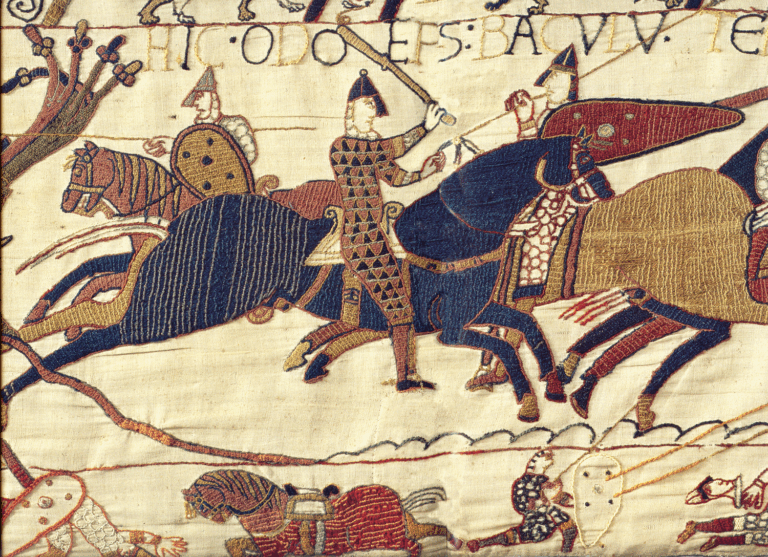
They say that history is written by the victors, but that isn’t always true: sometimes it’s embroidered by the victors. Such was the case with the Bayeux Tapestry, which commemorates the build-up to and successful execution of the Norman conquest of England in 1066. Created not long after the events it depicts in…
|
|
|
|
| |

|
Back in 2008, Bob Boilen (host of All Songs Considered) and NPR music critic Stephen Thompson attended a noisy concert where they struggled to hear Laura Gibson perform. Jokingly, Thompson suggested that Gibson perform at Boilen’s office desk instead. She did. And, with that, the NPR Tiny Desk Concert was born. Since then,…
|
|
|
|
| |
|
When we speak English, we might say we’re speaking the language of Samuel Johnson, the man who wrote its first dictionary. Or we could say we’re speaking the language of Shakespeare, who coined more English terms than any other individual in history. It would make just as much sense to describe ourselves as speaking the language of the King James Bible, the mass printing of which did so much to standardize English, steamrolling flat many of the countless local variations that existed in the early seventeenth century. But as many an Englishman (and more than a few Americans) would be loath to admit, when we speak English, we are, much of the time, actually speaking French.
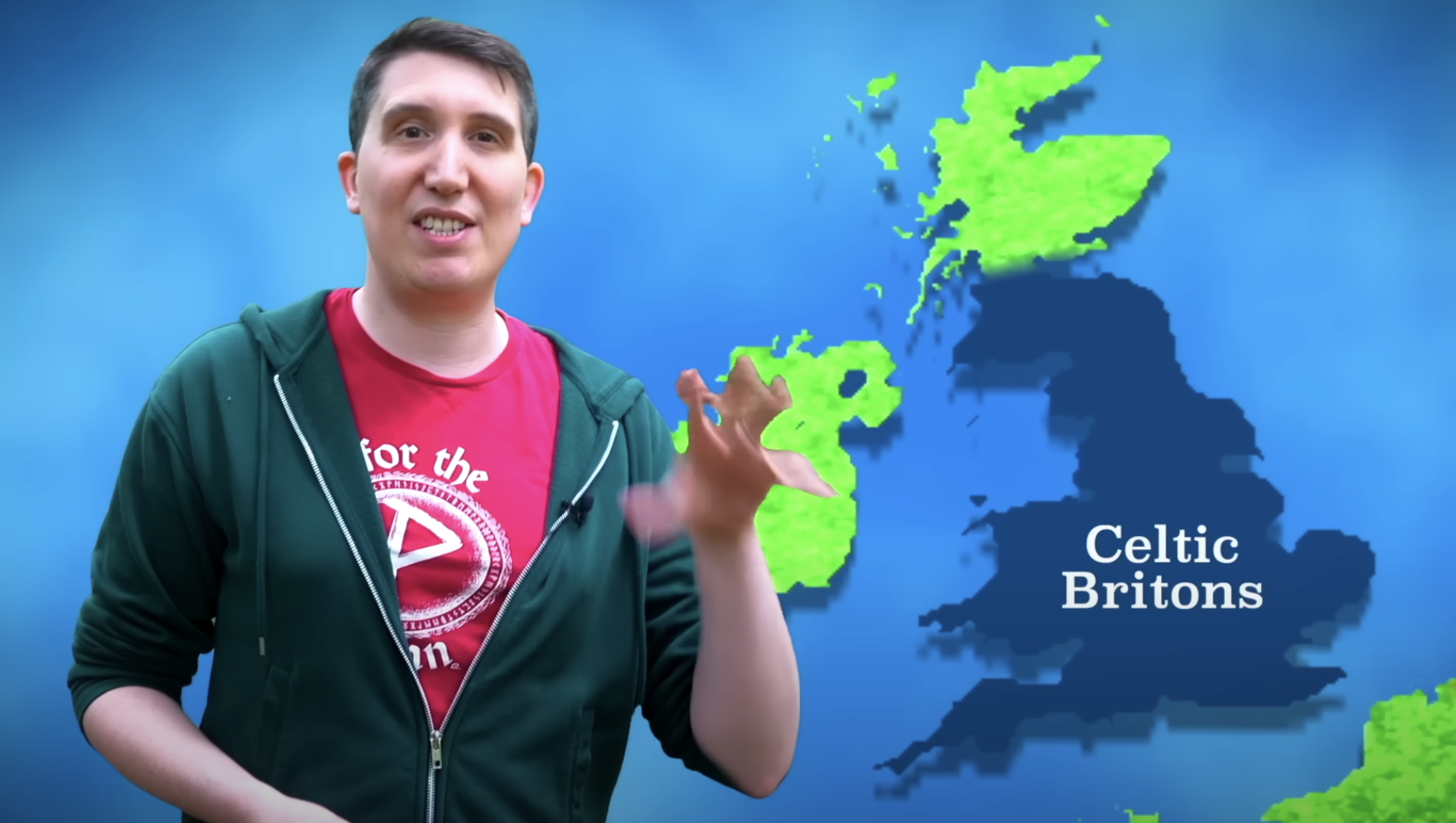
“In 1066, the Normans turn up and seize the English throne from the Anglo-Saxons says YouTuber Robwords in the new video above, describing the single most important event in the entire history of the English language, which he recounts in just 22 minutes. “William the Conqueror becomes king, and Norman French becomes the language of England’s élite.”
Under its new ruler, the country’s earls, thanes, […]
|
|
|
|
| |
|
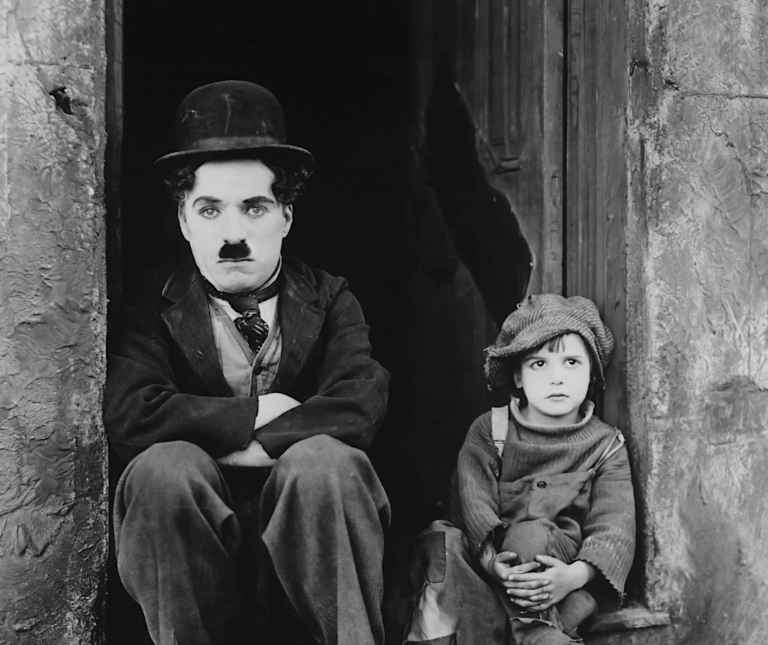
A few things to know about Charlie Chaplin. He starred in over 80 films, reeling off most during the silent film era. In 1914 alone, he acted in 40 films, then another 15 in 1915. By the 1920s, Chaplin had emerged as the first larger-than-life movie star and director, if not the most recognizable person…
|
|
|
|
| |
|
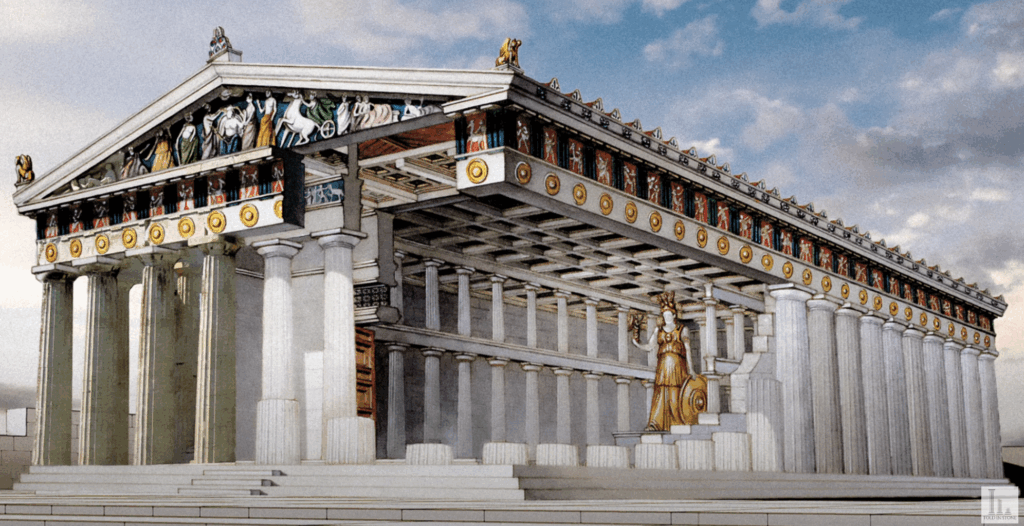
Doric, Ionic, Corinthian: these, as practically everyone who went through school in the West somehow remembers, are the three varieties of classical column. We may still recall them, more specifically, as representing the three ancient Greek architectural styles. But as ancient-history YouTuber Garrett Ryan points out in the new Told in Stone video above,…
|
|
|
|